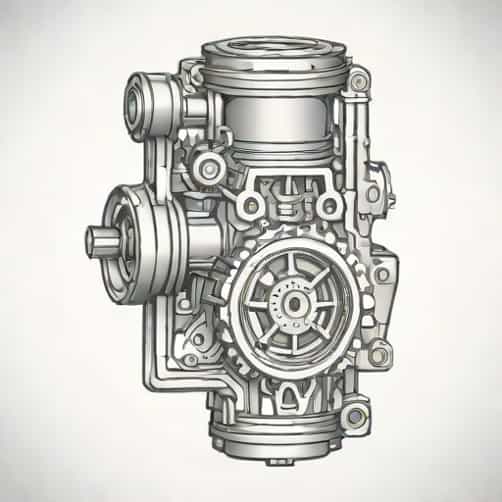
The valve body in an Allison transmission is one of the most critical components that ensures smooth and efficient operation of automatic transmissions in vehicles. Often described as the brain of the transmission, the valve body manages hydraulic flow and controls the shifting of gears based on vehicle speed, engine load, and driver input. Its complex network of channels, valves, and solenoids allows the transmission to operate seamlessly under a variety of conditions, making it essential for performance, fuel efficiency, and longevity. Understanding the structure, function, and maintenance of the Allison transmission valve body is crucial for both vehicle owners and automotive professionals seeking reliable performance from heavy-duty trucks, buses, and other vehicles equipped with this sophisticated transmission system.
What is a Valve Body?
The valve body is a network of precisely machined channels and passages within the transmission that directs hydraulic fluid to various clutches and bands. This hydraulic fluid controls gear engagement and shifting, enabling the transmission to respond appropriately to driving conditions. In Allison transmissions, the valve body coordinates multiple functions, including torque converter lockup, gear selection, and adaptive shift patterns. By managing the flow and pressure of transmission fluid, the valve body ensures that shifts are smooth, efficient, and timed accurately for optimal performance.
Components of the Allison Transmission Valve Body
The Allison valve body is composed of several key components, each playing a vital role in transmission function
- ValvesControl the direction and pressure of hydraulic fluid to activate clutches and bands.
- SolenoidsElectrically controlled components that regulate fluid flow for precise gear engagement.
- Check BallsSmall spheres that prevent backflow of fluid, ensuring correct directional flow in hydraulic circuits.
- Spring AssembliesProvide tension and assist in regulating valve movement for accurate hydraulic operation.
- Gaskets and SealsMaintain fluid integrity and prevent leaks within the valve body assembly.
Function of the Valve Body in Allison Transmissions
The primary function of the valve body is to manage the hydraulic system of the transmission, which directly controls gear shifting. It translates input from the vehicle’s throttle, speed sensors, and driver commands into precise hydraulic actions that engage or disengage gears. This ensures that the vehicle accelerates smoothly, maintains optimal fuel efficiency, and operates reliably under varying load conditions. In heavy-duty applications such as commercial trucks and buses, the Allison valve body also contributes to enhanced durability and extended service intervals, critical for vehicles that operate under demanding conditions.
Hydraulic Control and Gear Shifting
The valve body directs pressurized transmission fluid to the appropriate clutch packs and bands. This hydraulic control allows the transmission to shift gears at the right moment, preventing harsh or delayed shifts. Allison transmissions are known for adaptive shift strategies, which means the valve body can adjust fluid flow based on driving conditions, load, and driver behavior. This adaptability helps improve performance, reduce wear, and enhance driving comfort.
Integration with Electronic Controls
Modern Allison transmissions integrate the valve body with electronic control modules (ECMs) that monitor speed, throttle position, and other vehicle parameters. Solenoids within the valve body respond to electronic signals, modulating hydraulic flow with high precision. This combination of hydraulic and electronic control allows Allison transmissions to offer advanced features such as fuel-saving shift schedules, automatic grade braking, and torque management for heavy loads. The electronic interface also facilitates diagnostics, allowing technicians to identify issues quickly and maintain optimal transmission performance.
Common Issues with Allison Valve Bodies
Despite their robust design, Allison valve bodies can develop issues over time due to wear, contamination, or hydraulic stress. Some common problems include
- Harsh or Delayed ShiftsWorn valves or solenoids may cause erratic gear engagement.
- Fluid LeaksDamaged seals or gaskets can lead to low hydraulic pressure and reduced performance.
- Slipping GearsMalfunctioning hydraulic channels may prevent full clutch engagement.
- Electronic FaultsIssues with solenoids or ECM integration can trigger transmission warning codes.
- Contaminated FluidDirt or metal ptopics in the transmission fluid can block passages and impair valve function.
Maintenance and Service
Regular maintenance of the Allison valve body is essential to ensure reliable performance. Key maintenance practices include
- Routine transmission fluid changes with manufacturer-approved fluids to maintain proper hydraulic function.
- Inspecting and replacing worn gaskets, seals, and solenoids to prevent leaks and maintain hydraulic pressure.
- Cleaning or rebuilding the valve body to remove debris, prevent sticking valves, and restore proper fluid flow.
- Utilizing electronic diagnostic tools to monitor solenoid performance and detect early signs of valve body issues.
Rebuilding vs. Replacement
When valve body issues occur, technicians must decide between rebuilding and replacing the component. Rebuilding involves disassembling the valve body, cleaning passages, replacing worn parts, and reassembling it to restore functionality. Replacement may be necessary if the valve body is severely damaged or if rebuilds cannot guarantee reliable performance. Both options aim to restore the transmission to optimal operation, but choosing the correct approach depends on vehicle usage, budget, and availability of quality parts.
Importance of a Properly Functioning Valve Body
The valve body is integral to the performance, efficiency, and longevity of an Allison transmission. A properly functioning valve body ensures smooth gear shifts, reliable power delivery, and efficient fuel use. In heavy-duty vehicles, it contributes to the ability to handle high loads, navigate steep grades, and maintain consistent operation over long distances. Neglecting valve body maintenance can lead to costly repairs, decreased vehicle performance, and potential downtime for commercial operations.
Impact on Vehicle Performance
A malfunctioning valve body can affect acceleration, braking, and overall drivability. By controlling hydraulic pressure accurately, the valve body ensures that gears engage smoothly and at the right time, maintaining engine efficiency and vehicle stability. In commercial applications, this precision can also affect cargo safety, driver comfort, and operational efficiency.
Fuel Efficiency Considerations
Because the valve body determines shift timing and hydraulic engagement, it directly influences fuel efficiency. Smooth, timely shifts reduce engine strain, optimize power delivery, and help maintain lower fuel consumption. Vehicles with poorly functioning valve bodies may experience unnecessary fuel usage due to inefficient gear changes and increased engine workload.
The valve body in an Allison transmission is a complex and essential component that manages hydraulic flow, controls gear shifting, and integrates with electronic systems to ensure optimal vehicle performance. Its role in maintaining smooth shifts, fuel efficiency, and durability makes it critical for heavy-duty trucks, buses, and other vehicles operating under demanding conditions. Regular maintenance, proper fluid management, and timely inspection are essential to extend the life of the valve body and the transmission as a whole. Understanding the structure, function, and importance of the Allison valve body allows vehicle owners and technicians to ensure reliable operation, minimize downtime, and maintain the high performance that Allison transmissions are known for worldwide.