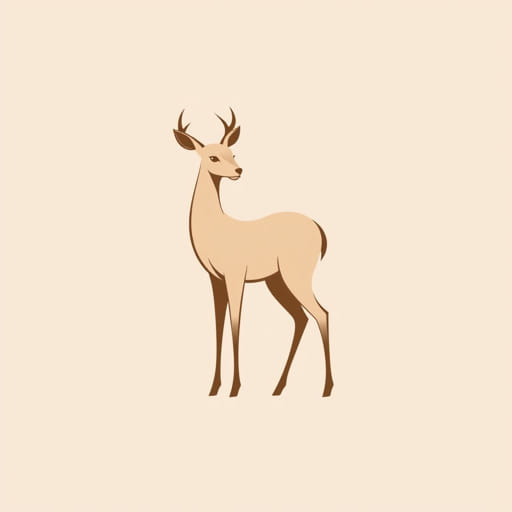
The term ‘hind’ may not be commonly used in everyday conversation today, but it holds a rich and layered significance in the English language. From its historical origins to its presence in literature, zoology, and even metaphorical language, the word hind continues to appear in various contexts. Understanding how the term hind is used, both in historical and modern settings, can help readers appreciate its versatility and depth. Whether referring to animals, social roles, or symbolic meaning, hind is a term that deserves closer examination.
Origins and Etymology of the Word ‘Hind’
The word hind has Old English roots, specifically from the term hind, which referred to a female red deer. This original usage is derived from Germanic languages and has been preserved in the English language for centuries. In early English literature, especially in poetry and mythological texts, the hind often appears as a symbol of grace, femininity, and elusiveness. The term also found its way into religious and royal narratives, emphasizing its cultural relevance over time.
Primary Definition: Hind as a Female Deer
Zoological Usage
The most common and widely accepted meaning of hind is that of a female red deer, particularly one that is fully grown. This definition is still used in zoological contexts and wildlife discussions. In the British Isles, where red deer are native, the term hind is frequently used by wildlife conservationists, hunters, and ecologists.
- Red Deer Classification: The male is referred to as a stag, while the female is the hind.
- Natural Habitats: Hinds are often found in woodland areas, mountain ranges, and open moorland.
- Symbolic Nature: In many cultures, the hind is associated with gentleness and a deep connection to nature.
Literary Usage of the Term ‘Hind’
Appearances in Classical Literature
The term hind has been used extensively in literature, especially in classical and medieval poetry. Writers like William Shakespeare and Edmund Spenser employed the term to evoke imagery of grace and subtle strength. In many cases, the hind is pursued or admired, creating metaphors about love, purity, and unattainability.
For example, in Sir Thomas Wyatt’s poem Whoso List to Hunt, the speaker compares his pursuit of a woman to chasing a hind that belongs to Caesar, suggesting that she is both desirable and untouchable. This metaphor paints the hind as a creature of beauty but also of restriction, hinting at societal boundaries.
Religious and Mythological Symbolism
In religious texts, particularly the Bible, the hind is mentioned as a creature of swiftness and beauty. The Book of Psalms, for instance, refers to hinds as symbols of longing and spiritual desire. In mythology, hinds sometimes appear as sacred animals, protected by deities and pursued by heroes on epic quests.
Alternate Meaning: Hind as a Laborer or Farmworker
Historical Social Role
In older British usage, especially in Scottish dialects, the term hind could also refer to a skilled farmworker or laborer. Typically, this person worked on a large estate and held a semi-permanent position, often living on the farm with family. While less commonly used in this sense today, the historical role of a hind in agriculture was significant during the 18th and 19th centuries.
- Responsibilities: The hind would manage livestock, plow fields, and oversee other laborers.
- Living Conditions: Hinds usually resided in small cottages provided by the landowner.
- Decline in Usage: The term gradually disappeared with the modernization of agriculture and urban migration.
Idiomatic and Figurative Expressions
Symbol of Timidity or Gentleness
In figurative language, hind can be used to describe someone who is shy, gentle, or elusive mirroring the behavior of a deer. When describing a person, calling them a hind might imply beauty, quiet strength, or someone difficult to approach due to their sensitivity or reserve.
Expression: Like a Hind
Phrases such as run like a hind suggest agility and speed, commonly used in poetic or descriptive prose. This metaphor is effective in highlighting elegance and motion, especially when describing animals, dancers, or swift movement in nature.
Use of ‘Hind’ in Modern English
Is Hind Still Relevant?
Although the word hind is less frequently used in daily conversation, it retains its place in specific contexts such as wildlife biology, poetry, and cultural references. In regions where red deer are common, particularly in parts of Europe and Scotland, the term continues to hold practical relevance.
In Popular Culture
The concept of the hind occasionally reemerges in movies, novels, and fantasy fiction. Creators often use the image of a hind to represent a magical or sacred creature. In stories involving nature or ancient traditions, the hind becomes a powerful symbol of harmony, femininity, and spiritual grace.
Comparing Hind to Similar Terms
Stag vs. Hind
It is important to distinguish between a stag and a hind. While both refer to red deer, the stag is the male and typically associated with strength and dominance, while the hind is female and connected to nurturing and quiet resilience. These roles are often extended metaphorically in storytelling and symbolic writing.
Doe vs. Hind
Another related term is doe, which refers to the female of other deer species like the white-tailed deer. While hind is specific to red deer, doe is a more generalized term. In regions where red deer are not native, doe is more commonly used to describe a female deer.
How to Use the Term Hind in Sentences
Practical Examples
For those unfamiliar with the term, here are some sample sentences demonstrating how hind might be used appropriately:
- The hunter spotted a graceful hind grazing quietly by the stream.
- In old Scotland, a hind worked the land with dedication and skill.
- She moved across the stage like a hind, swift and graceful.
- Legends tell of a golden hind that no man could capture.
The Enduring Significance of the Word Hind
Though the word hind may not appear frequently in everyday dialogue, it remains a word with multiple dimensions. Whether describing the elegance of a female deer, reflecting on the humble life of a farm laborer, or exploring themes in poetry and literature, hind carries meaning that resonates across time. By understanding its usage and context, readers can better appreciate its subtle power and continue to use it thoughtfully in writing and conversation. The next time you encounter the term, you’ll know that it’s more than just a word it’s a window into history, nature, and language itself.