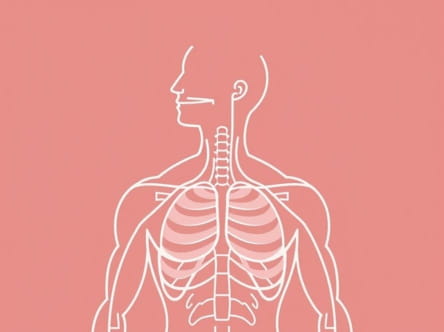
Breathing is a fundamental physiological process that generally occurs effortlessly through the diaphragm and intercostal muscles. However, when an individual begins to use accessory muscles for breathing, it often signals that the body is experiencing respiratory distress or increased work of breathing. Accessory muscles include the sternocleidomastoid, scalene, and pectoralis minor muscles, which are not normally engaged during quiet respiration. Their activation can indicate a significant underlying condition, requiring careful assessment and timely medical intervention to prevent complications.
Understanding Accessory Muscles in Respiration
The accessory muscles of respiration are additional muscles recruited during times of increased respiratory demand. These muscles assist in expanding the thoracic cavity to allow more air into the lungs when the primary muscles are insufficient. Observing the use of accessory muscles can provide healthcare professionals with valuable clues about the severity of respiratory compromise and the potential underlying causes.
Sternocleidomastoid Muscles
The sternocleidomastoid muscles, located on either side of the neck, help elevate the sternum during deep or labored inspiration. Contraction of these muscles is visible as prominent neck movement, often noticeable in patients struggling to breathe. Persistent use may indicate that the diaphragm is not able to meet oxygen demands adequately.
Scalene Muscles
The scalene muscles, situated along the sides of the neck, assist in lifting the first and second ribs during inspiration. These muscles are normally silent during quiet breathing, but become active when respiratory effort increases. Their engagement often reflects significant respiratory strain, as seen in conditions like severe asthma or chronic obstructive pulmonary disease (COPD).
Pectoralis Minor Muscles
The pectoralis minor muscles, located in the upper chest, can aid in elevating the ribs and expanding the chest cavity. Observing contraction of these muscles during breathing indicates that additional effort is being applied to maintain adequate ventilation. This sign is especially important in patients with acute respiratory distress or exacerbations of chronic lung disease.
Clinical Significance of Accessory Muscle Use
The recruitment of accessory muscles is a compensatory mechanism that the body employs when the normal respiratory muscles are insufficient. Recognizing this sign is critical in clinical practice, as it often indicates a potentially serious underlying condition requiring immediate evaluation.
Respiratory Distress and Hypoxia
Patients using accessory muscles frequently demonstrate increased respiratory rate, labored breathing, and sometimes cyanosis. This scenario suggests that oxygen delivery to tissues may be compromised, necessitating urgent medical intervention. Conditions leading to hypoxia, such as pneumonia, pulmonary edema, or acute respiratory distress syndrome (ARDS), often trigger this response.
Chronic Obstructive Pulmonary Disease (COPD)
In COPD, airflow limitation and hyperinflation of the lungs increase the work of breathing. Over time, patients may rely on accessory muscles even at rest to maintain adequate ventilation. Observation of these muscles during physical examination helps clinicians assess disease severity and plan appropriate management, including oxygen therapy and pulmonary rehabilitation.
Asthma Exacerbations
During severe asthma attacks, bronchoconstriction and airway inflammation limit airflow, prompting patients to recruit accessory muscles to inhale more effectively. This sign, often accompanied by wheezing, chest tightness, and rapid breathing, is a critical indicator for immediate treatment with bronchodilators and anti-inflammatory medications.
Neuromuscular Disorders
Certain neuromuscular conditions, such as amyotrophic lateral sclerosis (ALS) or muscular dystrophy, can weaken primary respiratory muscles. As a result, accessory muscles may be recruited to compensate for reduced diaphragmatic function. Observing these muscles provides insight into the progression of neuromuscular disease and helps guide supportive care interventions, including non-invasive ventilation.
Assessment and Observation
Healthcare providers assess the use of accessory muscles through visual inspection, palpation, and patient history. The degree of engagement can help determine the severity of respiratory compromise and inform immediate clinical decisions.
Visual Inspection
Clinicians look for visible contraction of the sternocleidomastoid, scalene, and pectoralis minor muscles during inspiration. Prominent neck and upper chest movements indicate increased respiratory effort. Observation should also include evaluation of nasal flaring, intercostal retractions, and overall breathing pattern.
Palpation
Palpation of the neck and chest during inspiration allows healthcare providers to feel the contraction of accessory muscles. This technique provides additional confirmation of increased work of breathing, especially in subtle cases where visual cues are less obvious.
Respiratory Rate and Pattern
Accessory muscle use is often accompanied by tachypnea and irregular breathing patterns. Recording respiratory rate, depth, and rhythm helps quantify respiratory effort and guides clinical decisions, particularly in acute settings.
Implications for Medical Intervention
Identifying the use of accessory muscles is an essential step in assessing the urgency of medical intervention. Timely recognition can prevent deterioration, respiratory failure, or hypoxemia.
Oxygen Therapy
Supplemental oxygen may be necessary for patients exhibiting accessory muscle use to improve oxygenation. Continuous monitoring of oxygen saturation helps ensure adequate tissue oxygen delivery and guides adjustments in therapy.
Mechanical Ventilation Support
In severe respiratory distress, particularly when accessory muscles are markedly engaged, non-invasive or invasive ventilation may be indicated. This intervention reduces the work of breathing and supports the patient’s ventilation while addressing the underlying cause.
Treatment of Underlying Conditions
Addressing the root cause of respiratory distress is crucial. Infections, obstructive lung diseases, pulmonary edema, or neuromuscular conditions each require tailored management strategies. Early intervention often prevents the need for more aggressive respiratory support.
Preventive and Supportive Measures
For individuals with chronic respiratory conditions, preventive and supportive measures can reduce the reliance on accessory muscles and improve overall breathing efficiency.
- Engaging in pulmonary rehabilitation to strengthen primary respiratory muscles
- Maintaining regular exercise to enhance cardiovascular and respiratory endurance
- Avoiding smoking and environmental pollutants that compromise lung function
- Promptly treating infections to prevent exacerbations
- Using prescribed medications consistently, such as bronchodilators or anti-inflammatory agents
The use of accessory muscles for breathing serves as a clear indicator of increased respiratory effort and possible underlying pathology. Recognizing the recruitment of sternocleidomastoid, scalene, and pectoralis minor muscles is critical for early detection of respiratory distress, hypoxia, and severe pulmonary or neuromuscular conditions. Proper assessment, timely intervention, and management of the underlying causes are essential to ensure patient safety and prevent complications. In both acute and chronic settings, awareness of accessory muscle use provides valuable clinical insight and guides healthcare providers in delivering effective respiratory support and comprehensive care.