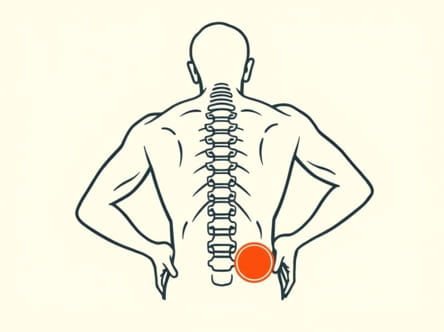
Upper back throbbing pain is a common complaint that can significantly affect daily life and overall well-being. This type of pain is often described as a pulsating, deep ache that may worsen with movement, prolonged sitting, or physical activity. Causes of upper back throbbing pain range from muscle strain and poor posture to more serious underlying conditions such as herniated discs, spinal abnormalities, or even cardiac issues. Understanding the causes, symptoms, diagnosis, and management strategies is crucial for effective relief and long-term prevention. Proper care can improve mobility, reduce discomfort, and enhance quality of life.
Causes of Upper Back Throbbing Pain
Identifying the underlying cause of upper back throbbing pain is essential for effective treatment. The pain may stem from muscular, skeletal, neurological, or internal organ issues. Often, more than one factor contributes to the discomfort, making a comprehensive evaluation important.
Muscle Strain and Overuse
- Repetitive lifting or carrying heavy objects
- Poor posture during work or daily activities
- Overexertion during exercise or sports
- Sudden movements causing muscle tears or sprains
Spinal and Skeletal Issues
- Herniated or bulging discs in the thoracic spine
- Osteoarthritis causing inflammation and joint pain
- Scoliosis or abnormal spinal curvature
- Compression fractures from trauma or osteoporosis
Nerve-Related Causes
- Pinched or compressed spinal nerves leading to radiating pain
- Thoracic radiculopathy causing sharp or throbbing sensations
- Nerve inflammation from infections or autoimmune conditions
Internal Organ-Related Pain
- Heart conditions, including angina or heart attack, may cause referred upper back pain
- Lung issues such as pneumonia or pulmonary embolism
- Digestive system problems, including pancreatitis or gallbladder disease
Symptoms Associated with Upper Back Throbbing Pain
The nature and severity of upper back throbbing pain can vary depending on its cause. While some cases involve only localized discomfort, others may include additional symptoms that indicate a more serious underlying condition.
Common Symptoms
- Pulsating or throbbing pain in the upper back region
- Stiffness or reduced range of motion
- Muscle tightness or spasms surrounding the painful area
- Discomfort worsening with physical activity or prolonged sitting
Associated Symptoms
- Numbness or tingling in the arms or hands
- Radiating pain along the shoulder blades or ribcage
- Fatigue or weakness due to chronic pain
- In severe cases, chest pain, shortness of breath, or dizziness
Diagnosis of Upper Back Throbbing Pain
Proper diagnosis involves a thorough assessment by a healthcare professional to determine the exact cause of the pain. Diagnosis typically includes medical history review, physical examination, and, if necessary, imaging or laboratory tests.
Medical History and Physical Examination
- Evaluation of the onset, duration, and intensity of pain
- Assessment of posture, muscle strength, and flexibility
- Identification of potential triggers or aggravating factors
Imaging and Laboratory Tests
- X-rays to check for spinal abnormalities or fractures
- MRI or CT scans to detect disc herniation or nerve compression
- Blood tests if an underlying infection or systemic condition is suspected
- Cardiac evaluation if the pain may be heart-related
Treatment Options for Upper Back Throbbing Pain
Treatment depends on the underlying cause and the severity of the pain. Often, a combination of self-care, medical intervention, and lifestyle adjustments is most effective in relieving upper back throbbing pain and preventing recurrence.
Home Remedies and Self-Care
- Rest and avoiding activities that exacerbate pain
- Applying ice or heat packs to reduce inflammation and relax muscles
- Gentle stretching and strengthening exercises for the upper back
- Over-the-counter pain relief such as acetaminophen or ibuprofen
Medical Interventions
- Prescription muscle relaxants or anti-inflammatory medications
- Physical therapy to improve posture, flexibility, and strength
- Injections such as corticosteroids for nerve or joint-related pain
- Surgical interventions for severe spinal abnormalities or herniated discs
Lifestyle and Preventive Measures
- Maintaining proper posture while sitting, standing, and lifting
- Regular core and back strengthening exercises
- Ergonomic adjustments at work or home
- Stress management techniques to reduce muscle tension
When to Seek Medical Attention
While occasional upper back throbbing pain may be manageable at home, certain signs indicate the need for immediate medical evaluation. These warning signs could indicate serious underlying conditions that require prompt intervention.
Warning Signs
- Sudden, severe, or worsening pain that does not improve with rest
- Chest pain, shortness of breath, or palpitations
- Numbness, tingling, or weakness in the arms or legs
- Loss of bladder or bowel control
- Unexplained fever or sudden weight loss accompanying back pain
Prevention Strategies
Preventing upper back throbbing pain involves a proactive approach to maintain spinal health and muscle function. Incorporating preventive strategies into daily routines can reduce the risk of recurrent pain and improve overall well-being.
Exercise and Stretching
- Regular cardiovascular exercise to improve overall muscle endurance
- Strength training targeting the upper back, shoulders, and core
- Stretching routines to maintain flexibility and reduce muscle tightness
Posture and Ergonomics
- Maintaining proper sitting and standing posture throughout the day
- Using supportive chairs and ergonomic workstations
- Avoiding prolonged slouching or forward head positioning
Lifestyle Adjustments
- Stress reduction through relaxation techniques such as yoga or meditation
- Maintaining a healthy weight to reduce strain on the back muscles
- Adequate sleep to support muscle recovery and overall health
Upper back throbbing pain is a multifaceted condition that can stem from muscular, skeletal, nerve-related, or internal organ issues. Understanding its causes, recognizing associated symptoms, and seeking proper diagnosis are essential for effective treatment. A combination of self-care, medical interventions, and lifestyle modifications can help alleviate pain, improve mobility, and prevent recurrence. By adopting preventive strategies, individuals can maintain spinal health, reduce the risk of chronic pain, and enjoy an improved quality of life. Prompt attention to severe or persistent symptoms ensures that any serious underlying conditions are addressed in a timely manner, promoting long-term wellness and comfort.