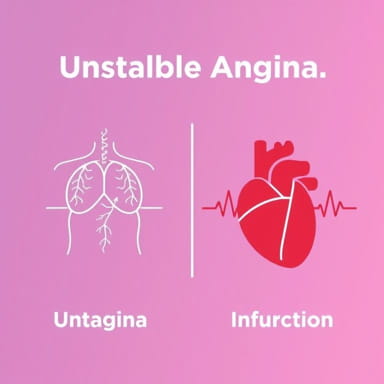
Unstable angina and myocardial infarction are both serious cardiovascular conditions that require immediate medical attention, yet they differ in underlying pathology, clinical presentation, and treatment approaches. Many individuals confuse these two conditions because they share similar symptoms, particularly chest pain and discomfort. Understanding the differences between unstable angina and myocardial infarction is crucial for timely diagnosis, effective management, and improved patient outcomes. Recognizing early warning signs can significantly reduce the risk of long-term heart damage and life-threatening complications.
Understanding Unstable Angina
Unstable angina is a type of acute coronary syndrome characterized by sudden, unpredictable chest pain or discomfort. Unlike stable angina, which occurs predictably during exertion and resolves with rest, unstable angina can happen at rest, with minimal activity, or even during sleep. This condition indicates that the coronary arteries are not supplying sufficient oxygen-rich blood to the heart muscle due to partial blockage or arterial narrowing.
Symptoms of Unstable Angina
- Sudden chest pain or pressure that may radiate to the neck, jaw, shoulder, or arm.
- Shortness of breath or difficulty breathing.
- Cold sweats, nausea, or lightheadedness.
- Chest discomfort that lasts longer than typical angina episodes or occurs more frequently.
Causes and Risk Factors
Unstable angina is usually caused by the rupture of an atherosclerotic plaque in a coronary artery, leading to partial obstruction of blood flow. Risk factors include
- High blood pressure (hypertension)
- High cholesterol levels
- Smoking
- Diabetes mellitus
- Obesity
- Family history of heart disease
Understanding Myocardial Infarction
Myocardial infarction, commonly known as a heart attack, occurs when blood flow to a part of the heart muscle is completely blocked, causing tissue damage or death. This blockage is most often caused by a thrombus (blood clot) that forms at the site of a ruptured atherosclerotic plaque. Unlike unstable angina, myocardial infarction results in permanent damage to the heart muscle if not treated promptly.
Symptoms of Myocardial Infarction
- Intense and prolonged chest pain or pressure, often described as a squeezing or crushing sensation.
- Pain radiating to the arm, neck, jaw, or back.
- Shortness of breath and difficulty breathing.
- Nausea, vomiting, or cold sweats.
- Lightheadedness or sudden fatigue.
Causes and Risk Factors
Similar to unstable angina, myocardial infarction is primarily caused by coronary artery disease and plaque rupture, leading to total arterial blockage. Additional risk factors include
- Advanced age
- History of heart disease
- Physical inactivity
- Excessive alcohol consumption
- Stress and chronic inflammation
Key Differences Between Unstable Angina and Myocardial Infarction
While both conditions fall under acute coronary syndromes, several differences help distinguish unstable angina from myocardial infarction
- Extent of Heart DamageUnstable angina does not cause permanent heart muscle damage, whereas myocardial infarction leads to irreversible tissue death.
- Severity of SymptomsMyocardial infarction typically presents with more intense and prolonged chest pain compared to unstable angina.
- Electrocardiogram (ECG) ChangesUnstable angina may show temporary ST-segment changes, while myocardial infarction usually presents with persistent ST-segment elevation or Q waves.
- Biomarker ElevationBlood tests for cardiac enzymes such as troponin remain normal in unstable angina but are elevated during myocardial infarction.
- Urgency of TreatmentBoth conditions require urgent care, but myocardial infarction often demands immediate reperfusion therapy to restore blood flow and limit heart damage.
Diagnostic Approaches
Accurate diagnosis is essential to differentiate unstable angina from myocardial infarction. Diagnostic tools include
- Electrocardiogram (ECG)Detects changes in heart electrical activity, helping identify ischemia or infarction.
- Blood TestsMeasurement of cardiac biomarkers such as troponin, creatine kinase-MB (CK-MB), and myoglobin.
- Imaging StudiesEchocardiography and coronary angiography can assess heart function and blood flow.
- Clinical AssessmentComprehensive evaluation of symptoms, medical history, and risk factors by a healthcare professional.
Treatment and Management
Unstable Angina
Treatment focuses on relieving symptoms and preventing progression to myocardial infarction. Approaches include
- Medications such as antiplatelets (aspirin, clopidogrel) and anticoagulants to reduce clot formation.
- Nitroglycerin to relieve chest pain.
- Beta-blockers and statins to manage heart workload and cholesterol levels.
- Lifestyle modifications including diet, exercise, and smoking cessation.
Myocardial Infarction
Immediate treatment is critical to restore blood flow and minimize heart muscle damage
- Emergency reperfusion therapy such as percutaneous coronary intervention (PCI) or thrombolytic therapy.
- Medications including antiplatelets, anticoagulants, beta-blockers, and ACE inhibitors.
- Long-term cardiac rehabilitation to improve heart function and reduce recurrence risk.
- Monitoring for complications such as arrhythmias, heart failure, or cardiogenic shock.
Preventive Strategies
Preventing both unstable angina and myocardial infarction involves addressing modifiable risk factors and promoting cardiovascular health
- Adopting a heart-healthy diet rich in fruits, vegetables, and whole grains.
- Engaging in regular physical activity.
- Managing blood pressure, cholesterol, and diabetes effectively.
- Avoiding tobacco use and excessive alcohol consumption.
- Regular medical check-ups to monitor cardiovascular risk.
Unstable angina and myocardial infarction are serious heart conditions that require timely recognition and management. While both involve reduced blood flow to the heart, unstable angina represents a temporary reduction without permanent damage, whereas myocardial infarction results in irreversible heart muscle injury. Understanding the differences in symptoms, diagnostic markers, and treatment approaches is vital for patients, caregivers, and healthcare professionals. Early intervention, lifestyle modifications, and adherence to medical advice can significantly improve outcomes, reduce complications, and enhance overall cardiovascular health. Prompt awareness and action save lives and preserve heart function in individuals at risk of acute coronary events.