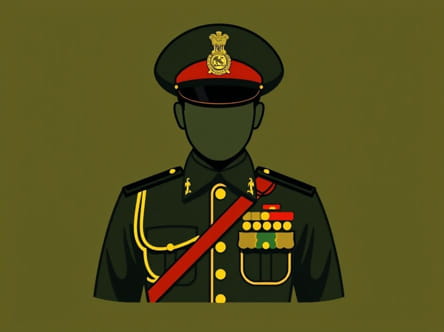
The uniform of a Lieutenant in the Indian Army is more than just a set of clothes; it is a powerful representation of duty, honor, and national service. Every piece of the uniform carries symbolic and practical importance, showing not only the authority of the wearer but also the traditions of the Indian Army. For young officers, wearing this uniform for the first time is considered a milestone, reflecting the pride of joining the ranks of one of the largest and most respected armed forces in the world. The uniform also communicates professionalism, discipline, and readiness to lead soldiers in both peace and wartime duties.
Overview of a Lieutenant’s Position
A Lieutenant is the entry-level commissioned officer rank in the Indian Army. After graduating from institutions such as the Indian Military Academy (IMA), Officers Training Academy (OTA), or National Defence Academy (NDA), cadets are commissioned as Lieutenants. Their role is to lead soldiers at the platoon level, usually consisting of around 30 to 40 troops. Since the uniform is the first visible sign of authority, it plays a vital role in creating respect and order among subordinates.
Main Features of the Lieutenant’s Uniform
The uniform of a Lieutenant in the Indian Army has specific features that differentiate it from other ranks. These features are regulated by army dress codes and are designed to maintain consistency across the service. Some of the main elements include
- Stars of Rank– A Lieutenant wears two five-pointed stars on the shoulder straps to indicate rank. This is the most recognizable insignia of the position.
- Army Crest– Alongside the stars, the officer often wears the Ashoka emblem or crossed swords insignia that represents the Indian Army.
- Uniform Color– Depending on the situation, the uniform may be olive green (common service dress), camouflage (for field duties), or ceremonial dress (for parades and official functions).
- Headgear– A peaked cap, beret, or combat helmet is worn based on the occasion. Each regiment or corps may have distinct colors for berets.
- Belts and Badges– The Sam Browne belt is part of ceremonial attire, while name tags and regiment badges are displayed on service uniforms.
Ceremonial Uniform
For formal parades, commissioning ceremonies, and national events, Lieutenants wear the ceremonial uniform. It typically includes a well-pressed olive green or black tunic with brass buttons, the Sam Browne belt, polished shoes, gloves, and a peaked cap. The rank stars are displayed prominently, and medals, if awarded, are worn on the chest. This uniform highlights the traditions of the Army and symbolizes the dignity of the officer corps.
Service Dress
The service dress is what Lieutenants commonly wear in daily office or peacetime duties. It usually consists of an olive green shirt and trousers, with stars on the shoulder epaulettes and a name badge. The beret, with its regimental insignia, is often part of this attire. The neatness of the service dress is taken very seriously, as it reflects discipline and personal pride in service.
Combat and Field Uniform
In field areas or combat zones, Lieutenants wear camouflage uniforms designed for tactical advantage. These uniforms are practical, lightweight, and provide ease of movement. They include boots, combat belts, and protective gear. The insignia of a Lieutenant, although still present, is kept subdued for operational security. The camouflage uniform is a reminder of the officer’s readiness for duty in challenging terrains, whether in deserts, mountains, or jungles.
Winter and Summer Variations
The Indian Army operates across diverse climates, from the cold heights of Ladakh to the tropical heat of southern India. Therefore, uniforms for Lieutenants also have seasonal variations. In winter, woolen pullovers, jackets, and overcoats form part of the attire, while lighter fabrics are used in summer. The design ensures comfort without compromising the formal appearance of the officer.
Badges and Decorations
Beyond the stars of rank, several badges and decorations may be seen on a Lieutenant’s uniform. These can include
- Regimental insignia representing the officer’s unit.
- Name plate, usually in black with white lettering.
- Qualification badges, such as parachute wings or specialized training insignia.
- Medals or ribbons if the officer has participated in operations, UN missions, or training programs.
Symbolism of the Uniform
The uniform of a Lieutenant in the Indian Army is not only functional but also deeply symbolic. It communicates responsibility, authority, and belonging to the military family. Wearing the two stars is a reminder of the officer’s commitment to the nation and to the soldiers under his or her command. The uniform also connects the Lieutenant to the centuries-old traditions of the Indian Army, which has a rich history of valor and sacrifice.
Discipline and Grooming Standards
A Lieutenant is expected to maintain the uniform with the highest standards of grooming and discipline. Shoes must be polished, buttons shined, and the uniform kept spotless. Haircuts and personal grooming are also strictly regulated. This attention to detail not only promotes uniformity but also instills a sense of pride and responsibility in the young officer.
Impact on Leadership
For a Lieutenant, the uniform is more than attire; it is a tool of leadership. Soldiers are more likely to respect and follow an officer who wears the uniform with dignity and precision. The visible signs of authority, such as stars and insignia, help establish the chain of command in the field. Furthermore, the uniform fosters unity and reminds every officer that they are part of a larger mission.
The uniform of a Lieutenant in the Indian Army is a blend of tradition, symbolism, and practicality. From ceremonial parades to combat zones, each variation of the uniform carries meaning and serves a distinct purpose. For the young officer, wearing the uniform for the first time is a moment of honor, marking the beginning of a career dedicated to service, leadership, and national defense. As such, the Lieutenant’s uniform will always remain a powerful emblem of the values that the Indian Army upholds discipline, courage, and duty to the nation.
With its stars, insignia, and structured design, the uniform of a Lieutenant is not merely a dress code but a badge of responsibility and commitment. It tells a story of heritage, leadership, and the promise to serve with pride, no matter the circumstances. This is why the uniform remains one of the most respected symbols in Indian society and continues to inspire countless young men and women to join the Army.