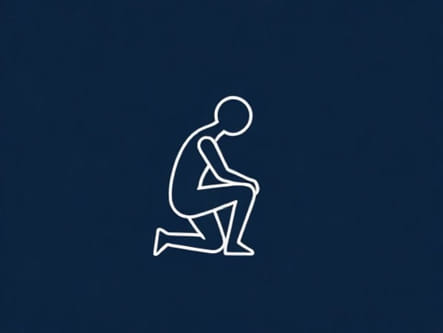
Experiencing difficulty or pain when trying to kneel on the right knee can be frustrating and limiting in daily life. Whether it’s due to an injury, chronic condition, or sudden onset of discomfort, being unable to kneel on one knee affects mobility, posture, and overall function. Understanding the underlying causes, symptoms, and treatment options is essential to address this issue and restore normal knee function. Many people ignore early warning signs, which can worsen over time if left untreated.
Common Causes of Pain When Kneeling on the Right Knee
Several factors can contribute to the inability to kneel comfortably on the right knee. Identifying the root cause is crucial for appropriate treatment and prevention of further damage.
Knee Injuries
Injuries are one of the most common reasons for difficulty in kneeling. These can include
- Ligament InjuriesDamage to the anterior cruciate ligament (ACL) or medial collateral ligament (MCL) can cause pain, instability, and limited range of motion.
- Meniscus TearsThe meniscus acts as a cushion between the thigh and shin bones. Tears from twisting movements or trauma can cause sharp pain when pressure is applied.
- Patellar InjuriesDislocation or cartilage damage around the kneecap can make kneeling uncomfortable or impossible.
Arthritis and Degenerative Conditions
Chronic conditions affecting the knee joint can lead to pain and stiffness. These include
- OsteoarthritisDegeneration of cartilage in the knee joint causes pain, swelling, and limited flexibility, particularly when kneeling or bending.
- Rheumatoid ArthritisAn autoimmune condition leading to inflammation in the knee joint, causing persistent pain and swelling.
- Post-Traumatic ArthritisArthritis developing after a previous knee injury can restrict movement and make kneeling difficult.
Tendon and Soft Tissue Issues
Soft tissues around the knee, including tendons and bursae, play a critical role in joint movement. Conditions that affect them include
- Prepatellar BursitisInflammation of the bursa in front of the kneecap can result from prolonged pressure or repeated kneeling.
- TendinitisInflammation of tendons, particularly the quadriceps or patellar tendon, can cause pain when pressure is applied.
Muscle Imbalances and Weakness
Weakness or imbalance in surrounding muscles, such as the quadriceps, hamstrings, and hip muscles, can lead to improper alignment and strain on the knee joint. Over time, this can make kneeling uncomfortable or even painful.
Symptoms Associated with Inability to Kneel
Symptoms can vary depending on the underlying cause but commonly include
- Sharp or dull pain localized to the front, side, or back of the knee
- Swelling or inflammation around the joint
- Reduced range of motion or stiffness
- Instability or a feeling that the knee may give out
- Warmth or redness in cases of inflammation or infection
Diagnosis and Medical Evaluation
To properly treat an inability to kneel on the right knee, a thorough medical evaluation is necessary. Steps may include
- Physical ExaminationA doctor will assess range of motion, joint stability, and areas of tenderness.
- Imaging StudiesX-rays, MRI, or CT scans help identify structural damage such as fractures, ligament tears, or cartilage loss.
- Lab TestsBlood tests may be ordered to rule out infections or autoimmune conditions like rheumatoid arthritis.
Treatment Options
Treatment depends on the cause and severity of the problem. Options include both non-surgical and surgical approaches.
Non-Surgical Treatments
- Rest and Activity ModificationAvoiding activities that exacerbate pain, including prolonged kneeling, can help reduce inflammation.
- Physical TherapyTargeted exercises can strengthen muscles around the knee, improve flexibility, and correct alignment.
- MedicationsAnti-inflammatory drugs or pain relievers may help manage discomfort.
- Ice and CompressionApplying ice packs and using compression wraps can reduce swelling and relieve pain.
- Knee Braces or PadsUsing protective gear can provide support and cushion during activities.
Surgical Treatments
When non-surgical methods are insufficient, surgery may be considered
- ArthroscopyMinimally invasive procedure to repair ligament or meniscus damage.
- Joint ReplacementIn severe arthritis cases, partial or total knee replacement may be necessary.
- Bursa Removal or Tendon RepairSurgical treatment for chronic bursitis or tendon injuries.
Preventive Measures
Preventing knee pain and maintaining the ability to kneel involves a combination of lifestyle adjustments and care routines
- Maintain a healthy weight to reduce stress on the knee joints.
- Engage in regular strengthening and flexibility exercises for the legs and hips.
- Use knee pads during activities that involve prolonged kneeling.
- Practice proper posture and technique when lifting or bending.
- Address injuries promptly to prevent long-term damage.
When to See a Doctor
Immediate medical attention is recommended if you experience
- Severe or worsening pain in the knee
- Sudden swelling, redness, or warmth
- Inability to bear weight or move the knee
- Signs of infection such as fever or drainage
Being unable to kneel on the right knee can significantly affect daily activities, sports, and occupational tasks. The underlying causes range from acute injuries to chronic degenerative conditions, and proper diagnosis is essential to determine the right treatment. Combining medical evaluation, targeted therapy, lifestyle adjustments, and preventive measures can help restore knee function, reduce pain, and prevent further complications. Paying attention to early symptoms and seeking timely care ensures better outcomes and improved quality of life for those struggling with knee discomfort.