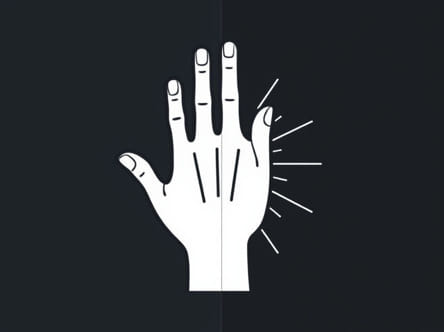
Understanding the movements of the wrist is essential for anyone studying human anatomy, physical therapy, or sports science. Two important types of wrist movements are ulnar deviation and radial deviation. These motions involve the sideways bending of the hand at the wrist, either toward the ulna, the bone on the pinky side, or toward the radius, the bone on the thumb side. Proper knowledge of ulnar vs radial deviation is crucial for diagnosing injuries, designing rehabilitation programs, and enhancing performance in activities that require precise hand movements, such as typing, playing musical instruments, or certain sports.
Defining Ulnar Deviation
Ulnar deviation, also known as ulnar abduction, occurs when the hand moves laterally toward the ulna or the pinky side of the forearm. This movement is performed at the wrist joint and involves coordinated action of multiple muscles and tendons. Ulnar deviation is commonly used in everyday activities such as carrying objects, stabilizing the hand during typing, or performing specific sports movements that require lateral hand adjustments.
Muscles Involved in Ulnar Deviation
- Flexor carpi ulnaris Helps flex the wrist while moving it toward the ulna.
- Extensor carpi ulnaris Extends the wrist and assists in moving it toward the ulnar side.
Common Activities Involving Ulnar Deviation
- Typing on a keyboard, especially when reaching toward the pinky keys
- Playing musical instruments like the piano or guitar
- Gripping tools that require lateral hand movement
- Sports movements in tennis, golf, or baseball when adjusting wrist angle
Defining Radial Deviation
Radial deviation, also called radial abduction, is the movement of the wrist toward the radius or thumb side. This motion is essential for precision tasks and fine motor activities. Radial deviation is often paired with ulnar deviation to perform complex hand movements, allowing for flexibility and efficiency in manipulating objects. The ability to perform radial deviation effectively is crucial for tasks that require reaching or pressing toward the thumb side of the hand.
Muscles Involved in Radial Deviation
- Flexor carpi radialis Assists in flexing the wrist while moving it toward the radius.
- Extensor carpi radialis longus and brevis Extend the wrist and contribute to radial deviation.
Common Activities Involving Radial Deviation
- Using a computer mouse or reaching for objects toward the thumb side
- Playing musical instruments such as the violin or trumpet
- Grip adjustments in sports like rock climbing or weightlifting
- Manual tasks like turning a doorknob or writing
Ulnar vs Radial Deviation Key Differences
Although ulnar and radial deviation are both lateral wrist movements, they differ in direction, muscle involvement, and functional applications. Understanding these differences helps in diagnosing injuries, planning rehabilitation, and improving performance in daily or athletic tasks.
Direction
- Ulnar deviation Movement toward the ulna or pinky side of the forearm.
- Radial deviation Movement toward the radius or thumb side of the forearm.
Muscle Activation
- Ulnar deviation primarily engages flexor carpi ulnaris and extensor carpi ulnaris.
- Radial deviation primarily engages flexor carpi radialis and extensor carpi radialis longus and brevis.
Functional Applications
- Ulnar deviation Used in tasks requiring stabilization toward the pinky side or lateral strength.
- Radial deviation Used in tasks requiring precision, reaching, and fine motor adjustments toward the thumb side.
Clinical Significance
Both ulnar and radial deviations have important clinical implications. Limited or painful deviation may indicate musculoskeletal injuries, nerve compression, arthritis, or tendon inflammation. Healthcare professionals often evaluate these movements to assess joint function, detect abnormalities, and guide treatment strategies.
Common Conditions Affecting Wrist Deviations
- Carpal tunnel syndrome, which may limit radial deviation
- Rheumatoid arthritis, often causing ulnar deviation deformities
- Sprains or tendon injuries affecting either side of the wrist
- Fractures involving the distal radius or ulna
Assessment and Rehabilitation
Physical therapists use range-of-motion tests to measure ulnar and radial deviation and identify deficits. Rehabilitation may include
- Stretching and strengthening exercises targeting specific wrist muscles
- Use of splints or braces to support the wrist during recovery
- Manual therapy techniques to improve joint mobility
- Ergonomic adjustments in daily activities to reduce strain
Preventive Measures
Maintaining wrist health through balanced exercises and proper ergonomics can help prevent injuries and maintain full ulnar and radial deviation range. Key strategies include
- Regular wrist stretches and strengthening exercises
- Using ergonomic tools like keyboards, mouse devices, and hand supports
- Avoiding repetitive strain by alternating hand positions
- Monitoring for early signs of pain, swelling, or stiffness
Ulnar and radial deviations are essential wrist movements that allow for lateral motion and flexibility in hand function. While ulnar deviation moves the hand toward the pinky side and radial deviation moves it toward the thumb side, both movements rely on specific muscles and play critical roles in daily activities, sports, and occupational tasks. Understanding the differences between ulnar vs radial deviation, recognizing the clinical significance, and incorporating preventive strategies can help maintain wrist health, prevent injuries, and improve overall hand performance. By focusing on proper technique, strengthening exercises, and ergonomic considerations, individuals can optimize wrist function and reduce the risk of long-term complications.