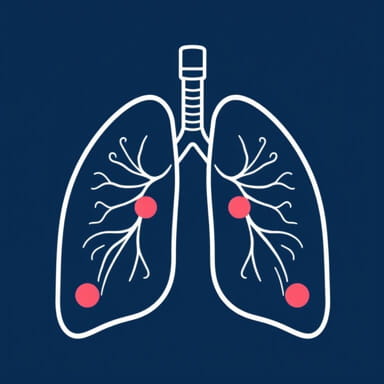
Metastasis to the lungs is a serious and often life-altering development in patients with cancer. The lungs, due to their rich blood supply and extensive capillary network, are one of the most common sites where malignant tumors spread. Understanding which tumors have a higher likelihood of metastasizing to the lungs, the mechanisms behind this spread, the clinical implications, and current management strategies is critical for both patients and healthcare providers. Early detection and effective treatment can significantly impact survival rates and quality of life for individuals affected by lung metastases.
Understanding Lung Metastasis
Lung metastasis occurs when cancer cells from a primary tumor elsewhere in the body travel through the bloodstream or lymphatic system to the lungs. Once in the lungs, these cells can establish secondary tumors that impair lung function and lead to symptoms such as shortness of breath, persistent cough, chest pain, and hemoptysis (coughing up blood). Lung metastases are often detected through imaging studies such as chest X-rays, CT scans, or PET scans, which help determine the number, size, and location of metastatic nodules.
Mechanisms of Tumor Spread to the Lungs
- Hematogenous SpreadCancer cells enter the bloodstream and are transported to the pulmonary vasculature, where they can lodge and grow into secondary tumors.
- Lymphatic SpreadSome tumors spread through the lymphatic system, eventually reaching the pulmonary lymph nodes and lung tissue.
- Direct ExtensionTumors in nearby structures such as the chest wall or mediastinum may invade lung tissue directly, although this is less common.
Primary Tumors That Commonly Metastasize to the Lungs
Various types of cancers have a propensity to spread to the lungs. Some of the most common primary tumors include
Breast Cancer
Breast cancer is among the most frequent malignancies to metastasize to the lungs. Metastases often occur in the later stages and may present as multiple nodules throughout both lungs. Patients with lung involvement may experience cough, chest discomfort, or no symptoms at all, with metastases discovered incidentally on imaging.
Colorectal Cancer
Colorectal cancer can metastasize to the lungs through the bloodstream, particularly when liver metastases are also present. Pulmonary metastases may manifest as solitary or multiple nodules, sometimes mimicking primary lung tumors, making accurate diagnosis essential for proper management.
Renal Cell Carcinoma
Renal cell carcinoma (RCC) has a strong tendency to metastasize to the lungs, often presenting with multiple pulmonary nodules. RCC metastases may remain asymptomatic for a long period and are frequently detected during routine follow-up imaging.
Melanoma
Malignant melanoma, particularly when advanced, can spread to the lungs. Melanoma metastases are often multiple and can vary in size. Patients may present with respiratory symptoms, but in some cases, metastases are found incidentally.
Osteosarcoma
Osteosarcoma, a primary bone cancer, frequently metastasizes to the lungs, which is a major determinant of prognosis. Pulmonary metastases from osteosarcoma are often treated surgically if possible, as surgical resection can significantly improve survival outcomes.
Liver and Pancreatic Cancers
Liver and pancreatic cancers can spread to the lungs, although these metastases are often associated with a poorer prognosis. Pulmonary involvement typically occurs alongside metastases in other organs, such as the liver or peritoneum.
Symptoms of Lung Metastases
The presence of metastatic tumors in the lungs can produce a range of symptoms, depending on the size, number, and location of the metastases. Common signs include
- Persistent cough that does not resolve with standard treatments
- Shortness of breath or difficulty breathing
- Chest pain or tightness
- Coughing up blood (hemoptysis)
- Fatigue and unexplained weight loss
- Recurrent respiratory infections due to compromised lung function
Diagnostic Evaluation
Accurate diagnosis of lung metastases is critical for planning appropriate treatment strategies. Diagnostic tools include
Imaging Studies
- Chest X-RayUseful as a preliminary tool to detect large nodules or masses.
- CT ScanProvides detailed visualization of lung nodules, their size, distribution, and relation to other structures.
- PET ScanHelps differentiate between benign and malignant lesions and assess metabolic activity of tumors.
Biopsy
In some cases, a tissue biopsy may be performed to confirm the origin of the metastasis and guide treatment decisions. Methods include needle biopsy, bronchoscopy-guided biopsy, or surgical biopsy.
Treatment Approaches
Treatment of lung metastases depends on the type of primary cancer, the extent of metastatic spread, and the patient’s overall health. Multimodal strategies are often employed
Surgical Intervention
- Resection of solitary or limited pulmonary metastases may be considered for select cancers like osteosarcoma or colorectal cancer.
- Surgery aims to remove metastatic tumors while preserving lung function.
Chemotherapy
- Systemic chemotherapy targets cancer cells throughout the body, including those in the lungs.
- Chemotherapy regimens are tailored to the primary tumor type and may be combined with other therapies.
Targeted Therapy
- Targeted therapies such as tyrosine kinase inhibitors or monoclonal antibodies can be effective for specific tumor types.
- These therapies aim to block pathways essential for tumor growth and metastasis.
Radiation Therapy
- Radiation may be used for local control of lung metastases, especially when surgical resection is not feasible.
- Stereotactic body radiotherapy (SBRT) can deliver high doses to tumors with minimal impact on surrounding lung tissue.
Immunotherapy
Emerging treatments like immune checkpoint inhibitors have shown promise in certain cancers such as melanoma and non-small cell lung cancer. Immunotherapy works by enhancing the body’s immune system to recognize and attack cancer cells, including those in metastatic sites.
Prognosis
The prognosis of patients with lung metastases varies widely depending on the primary tumor type, number and size of metastases, response to treatment, and overall patient health. While some patients achieve long-term survival with aggressive treatment, others may experience progressive disease despite therapy. Early detection and comprehensive management are key factors in improving outcomes.
Lung metastases represent a complex challenge in oncology, affecting patients with a variety of primary tumors such as breast, colorectal, renal, melanoma, and osteosarcoma. Understanding the mechanisms of spread, recognizing symptoms early, and employing appropriate diagnostic and treatment strategies are essential for managing these patients effectively. Multidisciplinary care, including surgical, medical, and supportive interventions, can improve quality of life and potentially extend survival. Awareness and timely intervention remain critical components in the care of patients facing tumors that metastasize to the lungs.