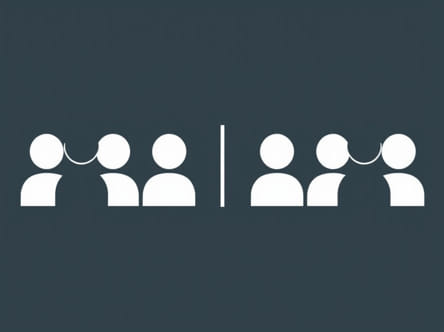
Every person, regardless of background or belief, holds unconscious biases. These are automatic judgments or attitudes formed from personal experiences, societal messages, or cultural conditioning. Though subtle, they can significantly impact decisions, behavior, and interactions especially in the workplace. This is why training on unconscious bias is essential. It helps individuals become aware of these internal preferences, promotes inclusivity, and leads to more equitable outcomes in hiring, communication, leadership, and collaboration. Understanding and addressing unconscious bias is not about blame; it’s about awareness, reflection, and improvement.
Understanding Unconscious Bias
What Is Unconscious Bias?
Unconscious bias, also known as implicit bias, refers to attitudes or stereotypes that affect our understanding, actions, and decisions in an unconscious manner. These biases are not deliberate or visible, but they can influence our perception of people based on characteristics such as race, gender, age, appearance, religion, or background.
Types of Common Unconscious Biases
- Affinity bias: Preferring people who share similar interests, backgrounds, or experiences.
- Confirmation bias: Seeking out information that confirms existing beliefs and ignoring contradicting evidence.
- Halo effect: Assuming someone is good in all areas because of one positive trait.
- Attribution bias: Attributing others’ actions to their character rather than to situational factors.
- Gender bias: Holding beliefs that favor one gender over another in certain roles or situations.
Why Training on Unconscious Bias Matters
Promoting Diversity and Inclusion
Organizations thrive when diverse perspectives are valued and encouraged. Unconscious bias training enables teams to recognize blind spots and support inclusive behavior. It fosters a workplace culture that respects individuality and reduces discrimination or microaggressions.
Improving Hiring and Promotion Practices
Unconscious biases can significantly influence who gets hired, mentored, or promoted. Structured training programs help organizations design fairer recruitment and evaluation processes. This ensures that merit and potential, rather than stereotypes, guide important decisions.
Boosting Employee Engagement and Trust
When employees feel seen, heard, and treated equitably, their engagement increases. Training on unconscious bias shows that an organization is committed to fairness, which helps build trust and loyalty. Employees are more likely to contribute meaningfully when they know their identity won’t hinder their opportunities.
Enhancing Customer Relations
Biases affect not just internal decisions but also how teams interact with clients and customers. Awareness helps customer-facing teams provide more personalized, respectful, and fair service, regardless of cultural or personal differences.
What Effective Training on Unconscious Bias Includes
Self-Awareness Exercises
The first step in reducing bias is recognizing it. Effective training includes reflective activities such as journaling, storytelling, or quizzes (like the Implicit Association Test) to uncover hidden assumptions. These tools encourage honest introspection and highlight how personal experiences shape perceptions.
Scenario-Based Learning
Interactive sessions that simulate real-life situations help participants understand how unconscious bias plays out in decision-making. Case studies or role-playing can demonstrate how bias affects hiring panels, team dynamics, or customer service interactions.
Discussion and Dialogue
Open conversations are critical. Guided discussions give participants the space to share thoughts, ask questions, and hear diverse viewpoints. Hearing from others broadens understanding and encourages empathy, especially when discussing race, gender identity, age, or ability.
Strategies for Interrupting Bias
Training should not stop at awareness. Participants must be equipped with actionable strategies. These include:
- Slowing down decision-making processes
- Seeking multiple perspectives before forming conclusions
- Using structured interviews or blind resume reviews
- Calling out bias respectfully when observed
- Committing to ongoing learning and accountability
Leadership Involvement
Change starts at the top. For training to be effective, organizational leaders must participate actively and model unbiased behavior. Their involvement signals that fairness and inclusion are priorities, not optional add-ons.
Challenges in Implementing Unconscious Bias Training
Resistance or Discomfort
Addressing bias can provoke defensiveness or denial. Some may feel accused or uncomfortable. This makes it essential to create a non-judgmental learning environment. Facilitators should emphasize that everyone has biases and that the goal is growth, not guilt.
One-Time Training Isn’t Enough
Bias training should be part of a broader, ongoing effort. Standalone workshops may raise awareness but are unlikely to lead to lasting change. Continued education, mentoring, and policy updates are necessary to reinforce inclusive practices.
Measuring Impact
It’s difficult to quantify unconscious change. Organizations must be patient and committed to evaluating outcomes over time. Surveys, feedback sessions, and data analysis on hiring or retention can offer insight into progress and areas for improvement.
Best Practices for Sustained Impact
Integrate with Company Values
Unconscious bias training should align with the organization’s core mission. Diversity, equity, and inclusion should be reflected in policies, leadership goals, and performance evaluations. This integration reinforces the importance of reducing bias across all operations.
Create Safe Learning Spaces
Psychological safety allows people to be vulnerable without fear of judgment. Facilitators must establish ground rules that encourage honesty, active listening, and confidentiality. This enables deeper engagement and learning.
Encourage Personal Accountability
While training can spark awareness, individuals must take responsibility for their growth. Encourage employees to set personal goals, find accountability partners, and seek diverse perspectives in everyday interactions.
Support with Inclusive Policies
Training is more effective when supported by policies that reflect fairness. These include anti-discrimination rules, inclusive hiring frameworks, flexible work arrangements, and zero-tolerance policies against harassment or exclusion.
Training on unconscious bias is a powerful tool for fostering fairness, empathy, and equity in professional environments. It begins with awareness but must continue through daily practice, policy reinforcement, and leadership support. By understanding how hidden biases influence behavior, individuals and organizations can make more inclusive choices and create environments where everyone is valued and respected. Whether in corporate settings, educational institutions, or community organizations, addressing unconscious bias helps build a more just and compassionate world.