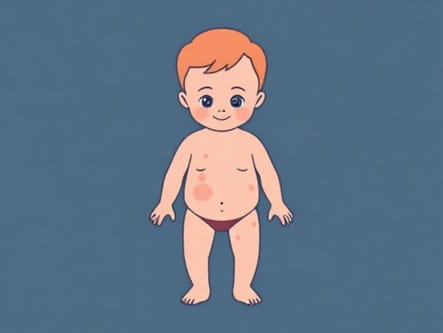
Seeing a toddler develop a pimply rash all over their body can be alarming for any parent. While some rashes are harmless and resolve on their own, others may indicate infections, allergies, or underlying health conditions that require medical attention. Understanding the potential causes, symptoms, and treatment options for widespread rashes in toddlers is crucial for timely care and comfort. Prompt identification and proper management can prevent complications and ease discomfort for the child.
Common Causes of Pimply Rashes in Toddlers
Pimply rashes in toddlers can arise from a variety of causes, ranging from mild irritations to serious infections. Recognizing the potential source is essential for effective treatment.
Viral Infections
- ChickenpoxCharacterized by itchy red bumps that turn into fluid-filled blisters and eventually crust over. Fever and fatigue often accompany the rash.
- MeaslesStarts with red blotchy patches, usually beginning on the face and spreading downward. Cough, runny nose, and conjunctivitis are common.
- RoseolaTypically causes high fever followed by a sudden appearance of pinkish-red spots on the trunk and limbs.
Bacterial Infections
- ImpetigoA contagious bacterial infection resulting in red sores that can ooze and form yellow-brown crusts, often seen around the mouth, nose, and limbs.
- Scarlet FeverCaused by Streptococcus bacteria, presenting as red, sandpaper-like rash along with sore throat and fever.
Allergic Reactions
- Food allergies or reactions to medications can cause hives, which appear as raised, red, itchy bumps over large areas of the body.
- Contact dermatitis from soaps, detergents, or clothing materials may lead to widespread rashes.
Heat Rash (Prickly Heat)
Excessive sweating in toddlers, especially in hot and humid conditions, can cause blocked sweat glands, resulting in tiny red bumps that may appear all over the body. Heat rash is often accompanied by mild discomfort or itching.
Other Skin Conditions
- EczemaChronic skin condition leading to dry, itchy patches that can sometimes develop small pimples when irritated or infected.
- Hand, Foot, and Mouth DiseaseViral illness causing red spots and small blisters primarily on the hands, feet, and around the mouth, but can occasionally spread over the body.
Identifying Symptoms and Severity
While most rashes are not life-threatening, certain signs require immediate medical attention. Parents should monitor the following
Mild Symptoms
- Small, red, or pink bumps that do not spread rapidly.
- Minor itching or discomfort.
- No associated fever or lethargy.
Warning Signs
- High fever or persistent irritability.
- Rapidly spreading rash or appearance of blisters filled with pus.
- Signs of infection such as swelling, warmth, or oozing.
- Difficulty breathing or swelling of lips and face, indicating possible severe allergic reaction.
- Rash accompanied by seizures or unusual drowsiness.
Diagnosis and Medical Evaluation
Proper diagnosis of a toddler’s rash involves a combination of medical history, physical examination, and sometimes laboratory tests. Pediatricians often ask about the onset, duration, and progression of the rash, recent exposures, vaccination history, and associated symptoms like fever or gastrointestinal issues.
Tests That May Be Conducted
- Blood tests to detect bacterial or viral infections.
- Skin swabs to identify bacterial pathogens like Staphylococcus or Streptococcus.
- Allergy testing if a reaction is suspected.
Treatment Options
Treatment depends on the underlying cause of the rash. In many cases, rashes improve with home care, but some require medical intervention.
Home Care
- Keep the child’s skin clean and dry.
- Use mild, fragrance-free soaps and moisturizers.
- Avoid scratching to prevent secondary infections.
- Dress the child in loose, breathable clothing.
Medications
- AntihistaminesFor allergic reactions or hives to reduce itching and inflammation.
- Topical AntibioticsFor bacterial skin infections like impetigo.
- Antiviral or supportive treatmentsUsed in specific viral infections as advised by a pediatrician.
When to Seek Immediate Medical Care
If a toddler’s rash is accompanied by severe symptoms such as high fever, rapid spread, breathing difficulties, or signs of systemic illness, urgent medical attention is necessary. Early intervention can prevent complications and ensure proper management.
Preventing Pimply Rashes in Toddlers
While not all rashes are preventable, several measures can reduce the risk and severity
- Maintain good hygiene, including regular handwashing.
- Keep nails trimmed to minimize skin damage from scratching.
- Ensure vaccinations are up to date to prevent viral illnesses.
- Identify and avoid known allergens in foods, soaps, and clothing.
- Monitor environmental conditions to prevent heat rashes, especially in hot weather.
A toddler developing a pimply rash all over the body can have many potential causes, from viral and bacterial infections to allergies and heat-related conditions. Recognizing the type of rash, accompanying symptoms, and severity is essential for proper care. Most rashes can be managed with home care, topical treatments, or over-the-counter medications, but some cases require prompt medical attention. Parents should monitor for warning signs, maintain good hygiene, and consult a pediatrician when necessary. Early detection, appropriate treatment, and preventive measures can help ensure the toddler recovers quickly and comfortably while reducing the risk of complications.