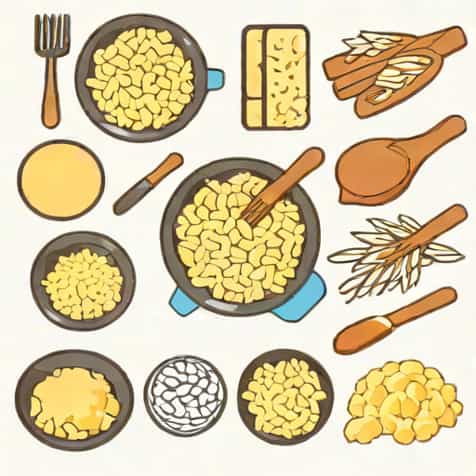
Glutinous rice flour, also known as sticky rice flour or sweet rice flour, is a versatile ingredient widely used in Asian cuisine. Unlike regular rice flour, glutinous rice flour has a unique texture that becomes chewy and sticky when cooked, making it perfect for a variety of desserts, snacks, and even savory dishes. Its flexibility allows both beginner and experienced cooks to experiment with different recipes, creating foods that are soft, elastic, and delightfully satisfying. From traditional sweets to modern twists, glutinous rice flour opens up a world of culinary possibilities that are both fun to make and delicious to enjoy.
Understanding Glutinous Rice Flour
Glutinous rice flour is made from sticky rice, a type of rice that contains high amounts of amylopectin, a starch that gives it a chewy texture. Despite its name, it does not contain gluten, making it safe for people with gluten intolerance. Its unique consistency allows it to bind ingredients well, making it ideal for doughs, batters, and fillings. Many traditional Asian desserts, like mochi and tangyuan, rely on this flour for their signature texture.
Characteristics and Uses
The key characteristics of glutinous rice flour include its sticky texture when cooked, mild flavor, and ability to hold shapes. It can be used for both steaming and frying, depending on the recipe. Glutinous rice flour is perfect for making soft, chewy treats that melt in the mouth, and it can also be mixed with other flours or starches to achieve different textures.
Popular Desserts to Make
One of the most common uses of glutinous rice flour is in desserts. Its chewy texture adds a unique element to sweet treats that is hard to replicate with other flours.
Mochi
Mochi is a Japanese rice cake made by steaming and pounding glutinous rice flour. It can be eaten plain, filled with sweet red bean paste, or coated with powdered sugar or kinako (roasted soybean flour). Mochi is soft, chewy, and slightly elastic, making it a favorite for celebrations and snacks.
Tangyuan
Tangyuan is a traditional Chinese dessert made from glutinous rice flour balls filled with sweet fillings like sesame paste, peanut butter, or red bean paste. Tangyuan is typically served in a sweet syrup or soup, especially during festivals like the Lantern Festival. The chewy texture of the dough contrasts beautifully with the creamy fillings.
Sticky Rice Dumplings (Zongzi)
Zongzi are Chinese glutinous rice dumplings wrapped in bamboo leaves. They are usually filled with sweet or savory ingredients like red bean paste, dates, pork, or salted egg yolk. Glutinous rice flour can be used to make variations of zongzi by mixing it into dough for different textures. These dumplings are commonly eaten during the Dragon Boat Festival.
Snacks and Street Food Ideas
Glutinous rice flour is not limited to desserts; it is also ideal for making chewy snacks and street food items.
Fried Glutinous Rice Balls
These crispy on the outside and chewy on the inside snacks are popular in many Asian countries. The dough is made with glutinous rice flour, filled with sweet or savory fillings, and deep-fried to golden perfection. Popular fillings include sweet red bean paste, taro, or ground meat mixtures.
Rice Flour Pancakes
Mini pancakes made from glutinous rice flour are soft and slightly chewy, often cooked on a griddle and served with coconut milk, syrup, or sweet bean paste. These pancakes are a favorite breakfast or snack option because of their unique texture and simple ingredients.
Chewy Candy or Fudge
Glutinous rice flour can also be used to create chewy candies or fudge-like sweets. By combining it with sugar, coconut milk, and sometimes nuts or dried fruits, you can make bite-sized treats that are both sticky and flavorful. These confections are easy to shape and perfect for sharing at gatherings or gifting.
Innovative and Modern Recipes
Modern cooks are exploring new ways to use glutinous rice flour, combining traditional techniques with contemporary flavors.
Glutinous Rice Flour Dumplings with Chocolate
A fun modern twist involves using chocolate or Nutella as a filling inside glutinous rice flour dumplings. The chewy exterior balances the rich, creamy chocolate center, creating a dessert that combines Eastern techniques with Western flavors.
Fruit-Filled Mochi
Fresh fruit, like mango or strawberries, can be wrapped in glutinous rice flour mochi for a refreshing dessert. This combination provides a chewy texture with a burst of juicy flavor, making it a popular choice in cafes and dessert shops.
Glutinous Rice Flour Cheesecake
Some creative bakers incorporate glutinous rice flour into cheesecake recipes to give them a slightly elastic texture. The result is a dessert that is rich and creamy but with a subtle chewiness that makes it unique compared to traditional cheesecakes.
Tips for Cooking with Glutinous Rice Flour
Cooking with glutinous rice flour can be different from using regular flour. Here are some tips to ensure success
- Always sift the flour to remove lumps before mixing it with liquids.
- Use the right proportion of water or milk to avoid a dough that is too sticky or too dry.
- Combine with other ingredients like sugar, coconut milk, or starches to enhance texture.
- Cook over low to medium heat to prevent burning or uneven cooking.
- Experiment with steaming, boiling, or frying to achieve different textures and flavors.
Glutinous rice flour is a versatile and essential ingredient for anyone interested in exploring Asian cuisine or experimenting with chewy, sticky textures in cooking. From traditional desserts like mochi and tangyuan to modern creations like chocolate-filled dumplings and chewy rice flour fudge, the possibilities are nearly endless. Understanding the unique characteristics of glutinous rice flour, combined with creative experimentation, allows home cooks and professional chefs alike to produce delicious, memorable dishes. Whether you are making sweet treats, savory snacks, or innovative modern recipes, glutinous rice flour offers endless opportunities to create foods that are not only flavorful but also uniquely satisfying in texture.