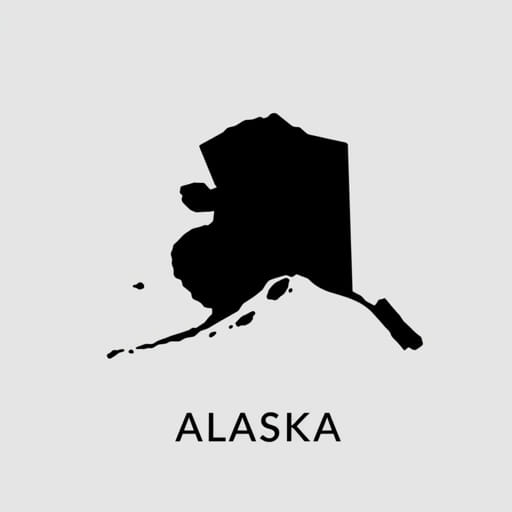
Alaska, known for its immense wilderness and dramatic landscapes, was once a distant and often overlooked territory. However, the journey toward the statehood of Alaska was filled with political ambition, economic promise, and national interest. The process of transforming Alaska from a rugged frontier to the 49th state of the United States took decades of negotiation, lobbying, and social transformation. Understanding the path to Alaska’s statehood reveals not only the resilience of its people but also the strategic importance of this northern land throughout American history.
The Purchase of Alaska
The origins of Alaska’s path to statehood began in 1867 when the United States purchased the territory from Russia for $7.2 million. At the time, many Americans referred to the deal as Seward’s Folly, named after Secretary of State William H. Seward who orchestrated the purchase. Critics believed the frozen, remote region held little value. However, this acquisition marked a significant turning point for the United States, expanding its territory by nearly 600,000 square miles and laying the foundation for Alaska’s future.
Alaska was initially governed as a military district and later as a civil district. Though sparsely populated and underdeveloped, the land was rich in natural resources, including timber, fish, and eventually oil and gold. These resources slowly changed public perception of the territory, making it a valuable asset rather than a political mistake.
Economic Discoveries and Growth
The late 19th and early 20th centuries saw significant discoveries in Alaska that boosted its national relevance. The Klondike Gold Rush of the 1890s brought thousands of prospectors to Alaska, establishing it as a hub of opportunity. Towns like Skagway and Nome grew rapidly, and the influx of settlers brought attention to the region’s potential.
Additionally, the fishing and canning industries flourished, becoming vital to both local economies and national markets. Later, during World War II, Alaska’s strategic location between North America and Asia made it a key military post, especially following the Japanese attack on the Aleutian Islands. These developments made it increasingly clear that Alaska was more than a distant frontier it was a strategic and economic powerhouse.
Political Movements Toward Statehood
Despite economic progress, Alaska remained a territory without full representation in Congress. Territorial citizens lacked the ability to vote in national elections, and local decisions were often overridden by federal authorities in Washington, D.C. This frustration grew over time, giving rise to a strong statehood movement in the mid-20th century.
Key Advocates for Statehood
Political leaders like Ernest Gruening, former governor of the territory, and Bob Bartlett, Alaska’s territorial delegate, became vocal champions for statehood. They argued that Alaskans paid taxes, fought in American wars, and contributed to the national economy, yet were denied basic democratic rights. Their efforts were supported by many citizens who believed that full statehood was necessary for fair representation and local control.
Overcoming Opposition
Not everyone supported Alaska’s statehood. Some members of Congress worried that the territory was too isolated, too sparsely populated, and too dependent on federal subsidies. Others were concerned about the political impact especially whether Alaska would elect Democrats or Republicans to Congress. Some feared that the economic cost of developing infrastructure in Alaska would burden the federal government.
Despite these objections, national sentiment shifted in favor of admitting Alaska, especially after World War II. The Cold War had highlighted Alaska’s geographic importance. Its proximity to the Soviet Union underscored its role as a critical defense outpost. Military bases, radar stations, and missile systems were constructed throughout the territory, adding to its strategic value.
The Alaska Statehood Act
In 1958, Congress passed the Alaska Statehood Act after years of campaigning and lobbying. President Dwight D. Eisenhower signed the bill into law on July 7, 1958. The act allowed Alaskans to draft a state constitution, elect a governor, and form a state legislature. After a successful referendum, Alaska officially became the 49th state on January 3, 1959.
Alaska’s admission to the Union marked a new era. It gained full congressional representation and the right to manage its internal affairs. The new state government faced immediate challenges, including infrastructure development, land management, and economic diversification, but it also enjoyed newfound autonomy and recognition.
Impacts of Statehood
The statehood of Alaska brought profound changes. For the first time, residents had full voting rights and access to federal programs. The state also received control over vast tracts of land, which enabled economic development and resource management on its own terms.
Economic and Cultural Shifts
Oil exploration became one of the state’s most lucrative industries, especially after the discovery of oil at Prudhoe Bay in 1968. The construction of the Trans-Alaska Pipeline in the 1970s further connected Alaska’s resources to the rest of the country. Statehood also led to improved education, transportation, and healthcare systems.
However, it also raised complex issues for Alaska’s Native populations. Land claims, cultural preservation, and the distribution of resources became central concerns. The Alaska Native Claims Settlement Act (ANCSA) of 1971 was one of the major responses to these issues, granting land and financial compensation to Native communities while establishing Native corporations to manage those assets.
Alaska Today
Today, Alaska remains a symbol of American frontier spirit and natural beauty. Its vast landscapes, rich biodiversity, and unique cultural heritage continue to attract visitors and residents alike. Statehood has allowed Alaska to play a vital role in national defense, environmental policy, and energy production.
The state continues to balance its economic ambitions with environmental protection, particularly as climate change and resource extraction raise concerns. It also remains home to diverse communities, including a strong Indigenous population with deep historical ties to the land.
The story of Alaska’s statehood is one of determination, resilience, and evolving national priorities. From a misunderstood purchase to a vital American state, Alaska’s journey reflects the complex interplay of geography, politics, and identity. Its transformation into the 49th state opened new opportunities for its citizens and strengthened the United States’ reach in the far north. As Alaska continues to evolve, its past serves as a powerful reminder of how national unity can emerge even in the most remote corners of the world.