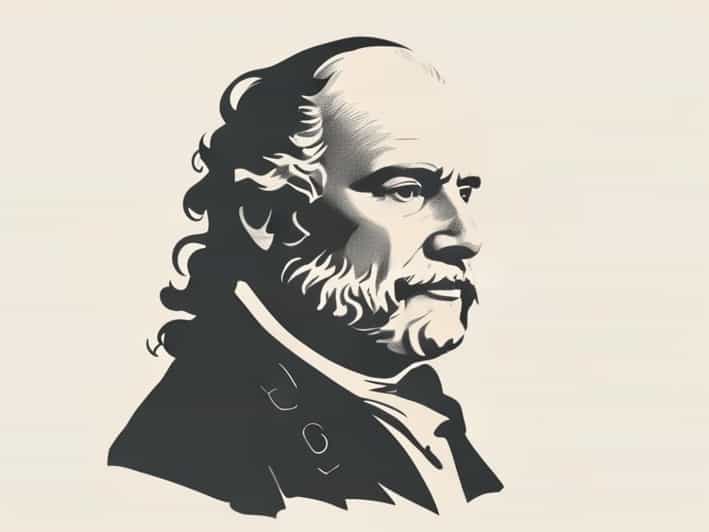
The reminiscence of Dr. Samuel Johnson offers a fascinating glimpse into the life and mind of one of the most influential literary figures of the 18th century. Known for his monumental work, A Dictionary of the English Language, Johnson’s contributions to literature, criticism, and the understanding of human nature continue to resonate today. Reminiscences about him, recorded by friends, contemporaries, and biographers, reveal not only his intellectual brilliance but also his wit, moral sensibility, and deep humanity. These reflections provide invaluable insight into the character and legacy of a man whose influence extends far beyond his own time.
Early Life and Background
Samuel Johnson was born in 1709 in Lichfield, England, and grew up in a modest household that valued education despite limited means. From an early age, he displayed a remarkable facility with language and literature. Friends and later biographers often reminisced about his early perseverance in the face of financial and health challenges. These reminiscences highlight his determination, which would later become a defining trait of his career.
Educational Experiences
Johnson’s education included studies at Lichfield Grammar School and later at Pembroke College, Oxford, though financial constraints prevented him from completing his degree. Recollections from this period describe a young man deeply engaged with books, memorizing poetry, and debating philosophy. These formative experiences laid the groundwork for his later achievements, particularly his command of language and literary criticism.
Literary Achievements
The reminiscence of Dr. Samuel Johnson often focuses on his extraordinary literary output. Johnson was a prolific writer, producing essays, poetry, biographies, and criticism. His dictionary, published in 1755, was a landmark achievement, setting standards for lexicography and English usage. Contemporary accounts emphasize not just the scope of his work, but the meticulous care and scholarly rigor he applied to every project.
Essays and Periodicals
Johnson’s essays, particularly those published in The Rambler and The Idler, showcase his moral insight, social commentary, and philosophical reflections. Reminiscences from his peers describe him as a man who could combine intellectual depth with accessible prose, making complex ideas understandable to a broad audience. His essays often reflected on human nature, virtue, and the challenges of daily life, which made them enduringly relevant.
Personal Qualities
Beyond his literary accomplishments, recollections of Johnson frequently highlight his personal qualities. Friends and visitors describe a man of warmth, humor, and generosity, even in the midst of his famously irascible temper. He was deeply committed to moral principles and often offered guidance and support to younger writers and acquaintances, demonstrating a sense of responsibility and mentorship that enriched the literary community of his time.
Wit and Conversation
Johnson was celebrated for his conversational brilliance, a trait often emphasized in reminiscences. Visitors to his home in Gough Square recalled lively discussions on literature, politics, and philosophy, often punctuated by his sharp wit and incisive observations. His ability to engage and challenge others intellectually made him a central figure in London literary circles, and these personal anecdotes reveal the social dimension of his influence.
Compassion and Generosity
Reminiscences also reveal Johnson’s compassion for those facing hardship. He was known to support struggling writers, provide practical advice, and demonstrate a moral concern for society. These accounts suggest that his intellectual achievements were matched by a deep sense of empathy and ethical responsibility, qualities that contributed to the enduring admiration he inspires.
Biographical Accounts and Reminiscences
The most famous reminiscence of Dr. Samuel Johnson comes from James Boswell, whose biography, The Life of Samuel Johnson, published in 1791, remains a landmark in literary history. Boswell’s detailed observations capture not only Johnson’s intellect but also his idiosyncrasies, humor, and humanity. The biography is filled with anecdotes that provide a vivid portrait of Johnson’s life and work, cementing his legacy for future generations.
Insights from Contemporaries
Other contemporaries also contributed to the rich tapestry of reminiscences. Writers, friends, and acquaintances often noted his physical presence, expressive speech, and penetrating intellect. These recollections, taken together, paint a complex portrait of a man who combined scholarly rigor with personal warmth, making him a figure of both respect and affection in literary circles.
Legacy and Influence
The reminiscence of Dr. Samuel Johnson continues to influence literature, lexicography, and the study of English language and literature. His dictionary provided a foundation for modern English usage, while his essays and biographies offered models of clarity, moral insight, and literary criticism. Johnson’s personal qualities, as remembered by those who knew him, contribute to an understanding of him not only as a scholar but also as a moral and social figure whose values continue to resonate.
Impact on Literature and Lexicography
Johnson’s work on the dictionary influenced generations of writers, editors, and educators. His methodical approach to defining words, exploring usage, and providing literary examples set a standard that is still referenced today. Literary historians often draw upon Boswell’s reminiscences to understand the broader intellectual environment of 18th-century England and Johnson’s place within it.
Continued Relevance
Modern scholars and literary enthusiasts still study Johnson not only for his contributions to literature but also for the ethical and philosophical insights recorded in reminiscences. These accounts reveal a figure who grappled with universal human concerns virtue, knowledge, and self-understanding making his reflections enduringly relevant to readers across centuries.
Lessons from Johnson’s Life
The reminiscence of Dr. Samuel Johnson provides lessons in resilience, intellectual rigor, and moral responsibility. His life demonstrates the importance of dedication to learning, the value of mentorship, and the role of empathy and humor in navigating the complexities of human experience. For contemporary readers, these reminiscences offer inspiration and guidance, illustrating how one individual’s efforts can leave a lasting impact on culture and thought.
Encouragement for Scholars and Writers
- Pursue intellectual curiosity relentlessly, even in the face of adversity.
- Combine scholarship with ethical reflection to contribute meaningfully to society.
- Engage in mentorship and support of others in your field to build a lasting legacy.
Application to Daily Life
Johnson’s life and the reminiscences that surround it remind us that human achievement is not only measured by intellectual output but also by character, empathy, and engagement with others. Applying these lessons encourages individuals to balance personal ambition with moral responsibility and social contribution.
The reminiscence of Dr. Samuel Johnson offers a rich, multifaceted perspective on one of the most influential figures in English literary history. Through biographical accounts, personal anecdotes, and reflections from contemporaries, we gain insight into his intellectual prowess, moral sensibility, and human warmth. Johnson’s life illustrates the enduring power of dedication, curiosity, and ethical engagement, leaving a legacy that continues to inspire scholars, writers, and readers around the world. By exploring these reminiscences, we not only honor his contributions but also gain valuable lessons in literature, human behavior, and the pursuit of knowledge, making the study of his life and work as relevant today as it was in the 18th century.