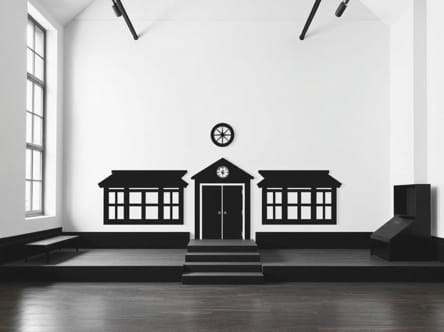
The Ragged School Museum offers a unique glimpse into the history of education for disadvantaged children during the 19th century in London. Established in a former Victorian Ragged School, this museum preserves the legacy of an important social reform movement aimed at providing free education, food, and clothing to impoverished youth. Through its exhibits and educational programs, the museum tells the story of how education became a tool for social change in Victorian England, emphasizing the hardships faced by the poor and the determination to improve their lives. Visiting the Ragged School Museum allows people to connect with a vital part of British social history and understand the origins of public education for all.
Historical Background of Ragged Schools
Ragged Schools were informal institutions founded in the early 19th century to address the dire needs of poor children who had no access to formal education. The Industrial Revolution had led to a rapid urban population growth, and many families in London and other cities lived in extreme poverty. Children often worked long hours in factories or on the streets, without any schooling.
The first Ragged Schools were established by philanthropists and social reformers who believed that education could break the cycle of poverty. These schools provided basic literacy and numeracy skills, along with food and clothing, helping children who were otherwise neglected by society.
Key Figures in the Ragged School Movement
- John Pounds: Often credited as the founder of the Ragged School movement, Pounds was a shoemaker who started teaching poor children for free in Portsmouth.
- Anthony Ashley-Cooper: The 7th Earl of Shaftesbury, a prominent social reformer who supported Ragged Schools and pushed for child labor laws.
- Charles Dickens: Though not directly involved in Ragged Schools, Dickens’ writings highlighted the plight of poor children and influenced public awareness.
The East End Ragged School
The museum itself is housed in the former Dr. Barnardo’s Copperfield Road Ragged School, located in East London. Built in the late 19th century, this school served some of the poorest children in the area, providing not only education but also meals, clothing, and hygiene facilities.
The building’s original Victorian architecture and preserved classrooms give visitors an authentic experience of what education was like for disadvantaged children during that era. The museum maintains many original features, including desks, blackboards, and school supplies used by the students.
Educational Programs and Exhibits
The Ragged School Museum offers a variety of exhibits and interactive programs designed to educate visitors about the social history of education and poverty in Victorian London.
- Victorian Classroom Experience: Visitors can participate in a recreated Victorian school lesson, complete with period-appropriate teaching methods and discipline practices.
- Historical Exhibits: Displays include photographs, documents, and artifacts that illustrate the daily lives of Ragged School children and their families.
- Workshops and Events: The museum hosts workshops on Victorian crafts, literacy, and social history, engaging schools and community groups.
The Importance of the Ragged School Museum Today
In today’s world, the Ragged School Museum serves as a reminder of the importance of education in social development and equality. It highlights how far society has come in ensuring access to education for all children, regardless of their background.
The museum also addresses contemporary issues related to poverty, social justice, and the role of education in empowering marginalized communities. By reflecting on the struggles and successes of the past, the museum encourages visitors to consider ongoing challenges in education and social welfare.
Community Engagement and Preservation
The Ragged School Museum is more than just a historical site; it actively engages with the local community through outreach programs and partnerships with schools and charities. Efforts to preserve the building and its history are supported by volunteers and heritage organizations dedicated to maintaining this important cultural landmark.
Visitor Information and Experience
Located in the heart of East London, the museum is accessible to visitors of all ages and backgrounds. Guided tours provide detailed insights into the history and significance of Ragged Schools, while self-guided options allow for personal exploration.
The museum shop offers books, educational materials, and souvenirs related to Victorian education and social history. Visitors often leave with a deeper appreciation for the resilience of disadvantaged children and the transformative power of education.
The Ragged School Museum stands as a powerful tribute to the commitment of 19th-century reformers who fought to provide education and hope to the poorest children in London. Its preservation of history and ongoing educational efforts connect the past with the present, reminding us of the essential role that education plays in fostering opportunity and social justice. By visiting or supporting the museum, individuals contribute to the continued awareness of these vital themes and honor the legacy of those who believed that no child should be left behind.