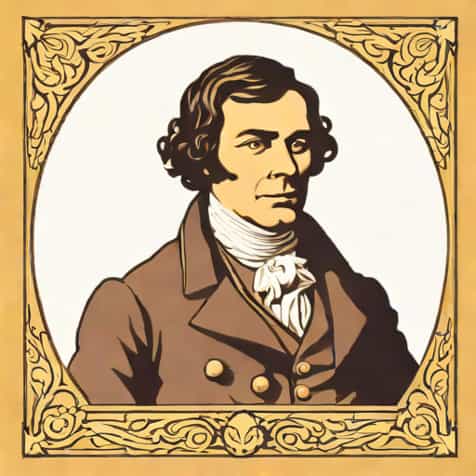
The works of Robert Burns, often celebrated as the national poet of Scotland, continue to hold immense literary and cultural value centuries after his death. Burns’ poetry is not only a reflection of the Scottish landscape and rural life but also a window into the human experience, capturing emotions, social commentary, and universal themes with remarkable clarity and warmth. His poems and songs, written in both Scots dialect and English, resonate with readers for their authenticity, musicality, and enduring relevance. From the emotional depth of Ae Fond Kiss to the social critique in The Cotter’s Saturday Night, Burns’ writings offer insights into love, humanity, and society that remain meaningful today.
Historical and Cultural Context of Robert Burns
Robert Burns was born in 1759 in Alloway, Scotland, during a period of significant social and economic change. He grew up in a farming family, which influenced much of his understanding of rural life and common struggles. This background provided him with a unique perspective on the ordinary lives of Scottish people, which he vividly captured in his poetry. Burns’ work also reflects the Enlightenment ideals of his time, including a focus on human dignity, equality, and intellectual inquiry.
Burns’ Use of Language
One of the most distinctive aspects of Burns’ work is his use of the Scots dialect alongside standard English. This combination gives his poetry a musical quality and authenticity that connects readers to Scottish culture. His careful choice of words, rhythm, and rhyme demonstrates not only technical skill but also a deep understanding of how language can evoke emotion and meaning. The accessibility of his language allows readers from various backgrounds to appreciate the themes and sentiments expressed in his poems.
The Emotional and Human Value of Burns’ Poetry
Burns’ poetry explores a wide range of human emotions, from love and joy to sorrow and loss. Poems like My Love is Like a Red, Red Rose celebrate love in a way that feels timeless and relatable, while works such as To a Mouse reveal a compassionate view of life, acknowledging the vulnerability of both humans and animals. His ability to capture complex feelings in simple, lyrical language allows his poetry to resonate across generations, offering readers emotional insight and reflection.
Exploration of Love and Relationships
Love is a recurring theme in Burns’ work, approached with sincerity and depth. Whether addressing romantic love, friendship, or familial bonds, Burns portrays relationships with warmth and realism. His poetry often celebrates human connection while acknowledging the fragility and impermanence of these bonds, making his works emotionally rich and relatable to readers from all walks of life.
Social Commentary and Moral Reflection
Beyond its emotional resonance, Burns’ poetry carries significant social and moral value. He frequently addresses issues of social inequality, poverty, and injustice, reflecting his concern for the common people. Works like The Cotter’s Saturday Night illustrate the dignity of rural labor and the importance of family and community, while satirical poems like Holy Willie’s Prayer critique hypocrisy and moral corruption. Burns’ ability to blend storytelling with ethical reflection makes his work both entertaining and thought-provoking.
Highlighting Ordinary Life
Burns’ focus on everyday life gives his poetry an enduring appeal. By elevating the experiences of ordinary people, he challenges readers to recognize the beauty and significance in common activities and relationships. This attention to detail and human experience provides insight into historical Scottish life while remaining relevant to contemporary audiences who value authenticity and emotional honesty in literature.
Musical and Artistic Value
In addition to literary significance, Burns’ work holds considerable musical value. Many of his poems were set to traditional Scottish tunes or became songs themselves, contributing to Scotland’s rich musical heritage. Songs such as Auld Lang Syne and Scots Wha Hae exemplify the blending of poetry and music, creating works that are both lyrical and memorable. The musicality of Burns’ poetry enhances its emotional impact and accessibility, allowing it to reach audiences beyond literary circles.
The Legacy of Performance
Burns’ poetry and songs are often performed at cultural events, including Burns Night celebrations, which honor his life and work. This performance tradition underscores the communal value of his writing, as it continues to bring people together in celebration of Scottish heritage and shared human experiences. The performative aspect of his work demonstrates its adaptability and enduring relevance in modern cultural life.
Educational and Intellectual Value
Robert Burns’ poetry also has educational significance, providing material for literary analysis, historical study, and cultural exploration. His works are frequently studied in schools and universities for their language, structure, and thematic depth. Students of literature can explore Burns’ use of dialect, narrative voice, and poetic techniques, while historians and cultural scholars gain insight into 18th-century Scottish society and thought.
Influence on Later Literature
Burns’ influence extends beyond Scotland, impacting poets and writers worldwide. His emphasis on authentic expression, connection to nature, and social consciousness inspired Romantic poets and continues to resonate in modern literary circles. By valuing emotion, humanity, and cultural identity, Burns’ work provides a model for writers seeking to blend personal experience with broader social themes.
The poetical works of Robert Burns hold exceptional value across emotional, cultural, social, musical, and educational dimensions. His poetry captures the essence of human experience, celebrates Scottish culture, and offers insights that remain relevant centuries after his death. Through his use of language, exploration of love and morality, and engagement with everyday life, Burns provides a timeless connection between the personal and the universal. The enduring popularity of his poems and songs is a testament to the deep and multifaceted value of his literary contributions, making Robert Burns a poet whose work continues to inspire, educate, and resonate with readers around the world.