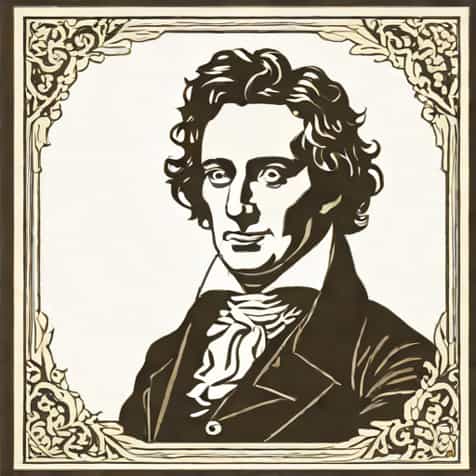
Percy Bysshe Shelley stands as one of the most influential poets of the Romantic era, celebrated for his passionate verse and radical ideas. His poetical works reflect a deep concern for human freedom, social justice, and the transformative power of imagination. Shelley’s poetry is not only notable for its lyrical beauty but also for its philosophical depth, often challenging established norms and exploring the relationship between the individual and society. Through his extensive body of work, Shelley continues to inspire readers and writers around the world, highlighting the enduring power of poetic expression.
Life and Influence of Percy Bysshe Shelley
Born in 1792 in England, Percy Bysshe Shelley was part of a generation of poets who sought to revolutionize literature with their ideas and style. His upbringing in a wealthy family gave him access to education and literature, but Shelley was also deeply aware of social inequalities, which fueled his desire for reform. His connections with other Romantic poets, such as Lord Byron and John Keats, shaped his literary development and exposed him to revolutionary ideas. Shelley’s life, though marked by personal struggles and controversy, deeply influenced his poetical works, making them both intellectually challenging and emotionally compelling.
The Romantic Spirit in Shelley’s Poetry
Shelley’s poetry embodies the spirit of Romanticism through its emphasis on imagination, nature, and individual expression. Romanticism encouraged poets to explore emotions, the beauty of the natural world, and the power of the mind to transcend societal limitations. In Shelley’s work, this often manifests as a profound reverence for nature, an insistence on personal freedom, and a critique of political oppression. His poems reflect a belief in the human capacity for moral and intellectual growth, a theme that resonates throughout much of his writing.
Major Poetical Works
Shelley’s contributions to literature include a wide array of poems, ranging from lyrical pieces to long philosophical works. Some of his most notable poems have had a lasting impact on English literature and continue to be studied for their innovative style and enduring themes.
Ozymandias
One of Shelley’s most famous sonnets, Ozymandias, explores the themes of time, mortality, and the impermanence of human achievements. The poem tells the story of a ruined statue in the desert, symbolizing the fleeting nature of power and the inevitability of decay. Despite its brevity, Ozymandias showcases Shelley’s skill in crafting vivid imagery and delivering profound philosophical insight in a compact form.
Ode to the West Wind
In Ode to the West Wind, Shelley invokes the power of the natural world as a metaphor for political and social change. The poem reflects his desire to harness the energy of the wind to spread his revolutionary ideas. The combination of lyrical intensity, vivid imagery, and rhythmic innovation makes this poem a quintessential example of Shelley’s mastery of poetic form and his engagement with the social issues of his time.
To a Skylark
Another celebrated work, To a Skylark, highlights Shelley’s fascination with nature and the pursuit of ideal beauty. The skylark symbolizes purity, joy, and the transcendence of ordinary experience. Through this poem, Shelley explores the limits of human understanding and the ability of art to capture the sublime. His use of musical language and intricate rhyme schemes emphasizes the harmony between poetic expression and the natural world.
Prometheus Unbound
Prometheus Unbound is Shelley’s ambitious lyrical drama, inspired by Greek mythology and philosophical ideas. The poem reimagines the story of Prometheus, the Titan who defied the gods to bring knowledge and enlightenment to humanity. Through this work, Shelley addresses themes of rebellion, liberation, and the potential for human progress. Its rich symbolism and complex structure demonstrate his commitment to blending intellectual inquiry with poetic imagination.
Thematic Concerns in Shelley’s Poetry
Shelley’s poetical works are marked by recurring themes that reflect his philosophical, social, and aesthetic concerns. These themes continue to resonate with readers and contribute to his lasting literary legacy.
Freedom and Revolution
Shelley’s work frequently champions the idea of personal and political freedom. He critiqued authoritarian rule and social injustice, advocating for human rights and moral responsibility. Poems such as The Mask of Anarchy respond directly to political events of his time, emphasizing the importance of resistance against oppression and the pursuit of justice.
Nature and the Sublime
Nature is a central theme in Shelley’s poetry, often portrayed as a source of inspiration, spiritual insight, and moral guidance. His depictions of natural beauty evoke a sense of the sublime, encouraging readers to reflect on the interconnectedness of life and the limits of human understanding. The natural world in Shelley’s poetry is both a mirror of the poet’s emotions and a canvas for philosophical exploration.
Love and Human Emotion
Although Shelley is often remembered for his political and philosophical concerns, his exploration of love and human emotion is equally profound. Romantic in sensibility, his poems celebrate passion, intimacy, and the transformative power of love. Works such as Love’s Philosophy and Adonais illustrate his ability to convey deep emotional truths with lyrical elegance.
Literary Style and Innovations
Shelley’s style combines lyrical beauty with intellectual rigor. His use of vivid imagery, musical language, and innovative rhyme schemes distinguishes his poetry from that of his contemporaries. He often employed metaphors and symbolism to convey complex ideas, creating a layered reading experience. Additionally, Shelley’s works are notable for their philosophical depth, blending poetic form with reflections on morality, society, and human potential.
Impact on Later Writers
Shelley’s influence extends beyond his own era, inspiring writers, poets, and thinkers around the world. His emphasis on imagination, freedom, and social critique can be seen in the works of later Romantic and Victorian poets, as well as modern writers who engage with social and political themes. Shelley’s ability to combine aesthetic beauty with intellectual exploration ensures that his poetry remains relevant and admired across generations.
The poetical works of Percy Bysshe Shelley represent a remarkable fusion of imagination, philosophical inquiry, and lyrical mastery. From the reflective brevity of Ozymandias to the epic vision of Prometheus Unbound, his poems explore timeless themes such as freedom, nature, love, and the human quest for meaning. Shelley’s legacy as a poet lies not only in his technical brilliance but also in his unwavering commitment to ideas that challenge, inspire, and elevate the human spirit. His works continue to captivate readers and affirm the enduring power of poetry to shape thought and emotion.