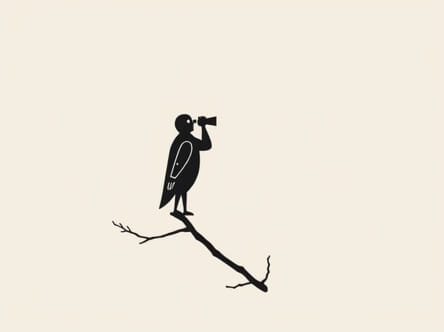
The Poet, Lover, Birdwatcher is one of the most admired poems by Nissim Ezekiel, a significant voice in modern Indian English poetry. This reflective and subtly philosophical poem draws parallels between the acts of writing poetry, loving deeply, and watching birds all of which require stillness, patience, and a heightened sense of observation. Through vivid imagery and a controlled tone, Ezekiel suggests that true beauty and meaning are not found through force or speed, but through waiting, watching, and immersing oneself in quiet contemplation. Understanding The Poet Lover Birdwatcher poem summary helps readers grasp the poet’s perspective on creativity, passion, and discovery.
Structure and Language
The poem is written in two stanzas of equal length and uses free verse, allowing Ezekiel to maintain a conversational yet lyrical tone. His word choice is precise, and the imagery is rich with associations. The poet avoids excessive ornamentation, focusing instead on clarity and emotional depth. The structure of the poem mirrors the theme itself calm, measured, and built with patience.
Opening Lines The Power of Waiting
The poem begins with a profound observation The best poets wait for words. This line immediately introduces the theme of patience. Ezekiel argues that just as a birdwatcher waits silently for a glimpse of rare birds, a poet must also wait for the right words to emerge from silence. The idea here is that great poetry cannot be forced it must come naturally, through careful attention and emotional readiness.
This comparison is both poetic and practical. It highlights the discipline involved in creativity. The poet is not someone who writes endlessly, but someone who listens and waits for meaning to take shape.
Poet, Lover, and Birdwatcher A Shared Attitude
In the next few lines, Ezekiel links the poet to two other figures the lover and the birdwatcher. All three are united by their stillness and sensitivity. The lover must be gentle and patient to understand the rhythms of love. The birdwatcher must blend into the background to catch sight of a bird in its natural state. The poet must quiet the mind to catch the music of words.
This triad represents different forms of attention romantic, natural, and artistic. By bringing them together, Ezekiel elevates the role of observation and restraint. He also subtly criticizes the modern tendency to rush through experiences, urging instead for a deeper engagement with life’s moments.
Metaphorical Language and Imagery
Throughout the poem, Ezekiel uses powerful imagery to bring his message to life. Phrases such as the music of slow footsteps and the deafening silence create a paradoxical sense of sound and stillness. He portrays the landscape as vast and untouched, where rare beauty resides just like the rare emotions that good poetry captures.
The desert and dark hills mentioned in the poem symbolize the unexplored or neglected parts of human experience. These are the places poets must venture into, often alone, to find meaning. This metaphor extends to life and relationships as well depth is found in the difficult, the silent, and the mysterious.
Second Stanza The Moment of Revelation
In the second stanza, the tone shifts slightly. Ezekiel writes about the rewards of waiting. When the poet, lover, or birdwatcher finally encounters their subject be it a phrase, a beloved’s expression, or a bird in flight the moment is pure and powerful. It’s as though the entire act of patience is justified in a single glimpse or word.
He describes how the slow movement leads to the one flash of wings, emphasizing that beauty often appears suddenly but only after a long period of stillness. For the poet, it is that one perfect line. For the lover, it is an intimate connection. For the birdwatcher, it is a rare sighting. These moments cannot be manufactured they arrive on their own terms.
The Role of Nature
Nature plays a central role in the poem’s symbolism. Birds represent freedom, grace, and the fleeting nature of inspiration. The landscape is a metaphor for the mind open, quiet, and full of potential. By choosing birdwatching as a metaphor for poetry, Ezekiel connects the inner world of the poet to the external world of nature.
Moreover, the mention of mountains, deserts, and lonely paths evokes the idea that creation and understanding often happen in solitude. Ezekiel does not glorify isolation but suggests that solitude allows deeper truths to emerge.
Interpretation and Themes
Patience as a Creative Virtue
One of the most important themes in The Poet Lover Birdwatcher poem summary is the value of patience. Ezekiel makes it clear that rushing leads to shallow results. Whether in love, nature, or writing, depth requires time. He champions a slow, thoughtful approach that values insight over output.
The Inner Life of the Artist
The poem also delves into the interior world of the artist. The poet must trust his instincts, wait for clarity, and listen for the words that arrive quietly. There is a kind of meditative spirituality in this process. Creativity, Ezekiel implies, is not just about skill it is about emotional readiness and mental stillness.
The Mystery of Beauty
Another underlying theme is the mystery of beauty. Ezekiel suggests that beauty is not loud or obvious. Instead, it is found in the quiet, overlooked spaces. The poet, lover, and birdwatcher each seek beauty in different forms, but all recognize it when it appears. This recognition is not logical it is intuitive, emotional, and deeply human.
Key Takeaways from the Poem
- Patience is essentialfor true creativity, love, and appreciation of nature.
- Observation and silenceare more powerful than force and noise.
- The poet, lover, and birdwatcherare connected by their shared emotional depth and attention to detail.
- Beauty often comes unexpectedlybut only to those who are open and receptive.
- Nature reflects inner statesof the mind and heart, especially in the creative process.
The Poet, Lover, Birdwatcher is more than a meditation on poetry it is a profound reflection on the way we live, feel, and connect with the world. Nissim Ezekiel gently reminds us that the most meaningful experiences are found in silence, waiting, and careful observation. By linking the poet’s process to love and birdwatching, he presents a timeless truth the best things in life come slowly, quietly, and to those who are ready to see them. This poem continues to resonate because its wisdom applies not just to poets, but to anyone seeking beauty and understanding in a noisy, hurried world.