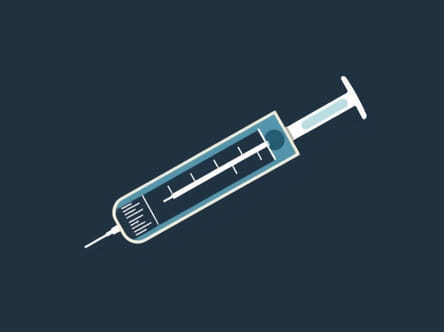
Syringes are essential medical tools used worldwide for administering medications, vaccines, and other fluids. Despite their simple appearance, syringes are carefully designed instruments composed of multiple parts that work together to deliver precise dosages safely and efficiently. Understanding the different parts of a syringe, their functions, and how they interact can help medical professionals, students, and patients use them properly. Knowledge of syringe components also enhances safety and reduces the risk of contamination, errors, and injury during medical procedures.
Overview of a Syringe
Definition and Purpose
A syringe is a medical device designed to inject fluids into or withdraw fluids from the body. It consists of a hollow barrel, a plunger, and a needle. Syringes are commonly used in healthcare settings for vaccinations, insulin injections, blood sampling, and administering medications. The design of a syringe allows precise control over the amount of fluid being delivered, making it a critical tool in patient care.
Types of Syringes
Syringes come in various types depending on their purpose. Common types include
- Hypodermic syringes for injections
- Insulin syringes for diabetes management
- Oral syringes for liquid medications
- Prefilled syringes for vaccines or medications
Despite these variations, the basic parts of a syringe remain consistent across different models, ensuring reliable function and safety.
Main Parts of a Syringe
Barrel
The barrel is the cylindrical tube that holds the fluid to be injected or withdrawn. It is typically made of plastic or glass and is marked with measurement lines to indicate the volume of liquid. The barrel must be transparent or semi-transparent to allow clear visibility of the fluid and to ensure accurate dosing. The open end of the barrel connects to the needle, while the other end allows insertion of the plunger.
Plunger
The plunger is a movable rod that fits snugly inside the barrel. By pushing the plunger forward, fluid is expelled through the needle. Pulling the plunger back allows the syringe to draw fluid into the barrel. The plunger usually has a rubber or silicone tip that forms a seal with the barrel to prevent leaks. Proper use of the plunger ensures accurate measurement and smooth fluid flow.
Needle
The needle is a thin, hollow metal tube that delivers fluid from the syringe into the body or draws fluid from the body. Needles vary in length and gauge depending on the intended use. The tip of the needle is sharp and beveled to minimize discomfort during penetration. The needle is usually detachable, allowing for replacement or disposal after a single use. In some syringes, the needle is permanently attached, such as in prefilled vaccine syringes.
Hub
The hub is the part of the syringe that connects the needle to the barrel. It ensures a secure attachment and prevents leakage during fluid administration. Hubs can be Luer lock or Luer slip types. Luer lock hubs twist and lock into place, providing extra security, while Luer slip hubs are pushed onto the syringe tip and held by friction. The hub is an essential component for maintaining safety and stability during injection.
Tip or Nozzle
The tip of the syringe, located at the end of the barrel, serves as the exit point for fluid. It is designed to connect with the hub and needle securely. Some syringes have specialized tips for different purposes, such as oral tips for liquid medication administration. The tip plays a crucial role in ensuring that the syringe functions properly and that fluid is delivered accurately.
Flange
The flange is the flat, extended part at the open end of the barrel. It provides a surface for the fingers to hold the syringe steadily while pushing or pulling the plunger. The flange enhances control and precision during injection, making it easier to deliver the correct dosage without slipping. Proper grip on the flange is important for both safety and comfort during use.
Plunger Seal or Gasket
The plunger seal, sometimes called the gasket, is the rubber or silicone tip at the end of the plunger that fits inside the barrel. It forms a tight seal, preventing fluid from leaking around the plunger and ensuring smooth movement. The seal is critical for accurate measurement and consistent fluid delivery. In some syringes, the gasket also reduces friction between the plunger and barrel, making the syringe easier to operate.
Additional Features of Modern Syringes
Safety Mechanisms
Modern syringes often include safety features to prevent accidental needle sticks and contamination. Examples include retractable needles, needle shields, and auto-disable mechanisms for single-use syringes. These innovations enhance safety for healthcare providers and patients, reducing the risk of infection and injury.
Graduation Marks
Graduation marks on the barrel indicate the volume of fluid in milliliters or cubic centimeters. These markings allow precise measurement and dosing of medication. Clear, visible markings are essential for accuracy, especially when administering potent or high-risk medications. Accurate dosing ensures the effectiveness of treatment and minimizes side effects.
Prefilled Syringes
Prefilled syringes come with the medication already loaded into the barrel and sealed with a plunger and needle. They reduce preparation time, minimize errors, and improve hygiene by reducing the number of handling steps. Prefilled syringes are commonly used for vaccines, insulin, and other frequently administered medications.
Proper Use and Maintenance of Syringes
Handling and Safety
Proper handling of syringes is crucial for safety and effectiveness. Always use a sterile syringe for each injection, avoid touching the needle, and ensure the plunger moves smoothly. Disposal of used syringes in puncture-resistant sharps containers prevents injury and contamination. Following standard protocols protects both patients and healthcare providers.
Cleaning and Storage
Single-use syringes should never be reused, while reusable syringes require thorough cleaning and sterilization between uses. Store syringes in a clean, dry environment to maintain their integrity. Proper storage and maintenance preserve the functionality of the syringe and ensure safe medical practice.
The parts of a syringe including the barrel, plunger, needle, hub, tip, flange, and plunger seal work together to deliver precise, safe, and efficient fluid administration. Understanding each component and its function is essential for healthcare professionals, medical students, and patients who use syringes regularly. Modern syringes incorporate additional features such as safety mechanisms, graduation marks, and prefilled designs to enhance accuracy, convenience, and protection. Proper use, handling, and disposal are critical for maintaining safety and preventing contamination. By knowing the parts of a syringe and how they operate, individuals can ensure effective and responsible use in medical settings.