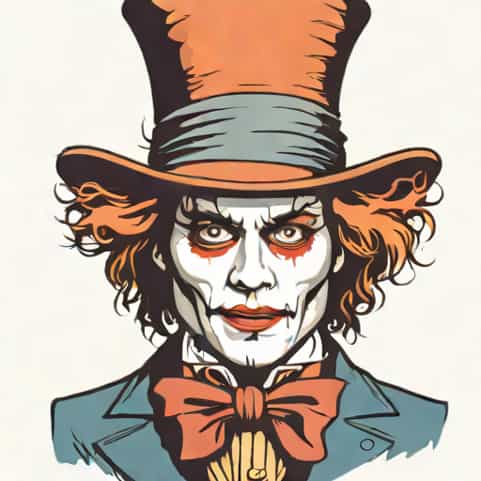
When audiences think of Johnny Depp, one of the most unforgettable characters that comes to mind is the Mad Hatter from Tim Burton’s adaptation of Alice in Wonderland. Depp’s portrayal of the eccentric hat maker brought a new depth to a character that was already iconic in literature. His performance was a mix of whimsy, darkness, and vulnerability, creating a Mad Hatter that resonated with viewers of all ages. This version of the character is far from a simple side figure; instead, it stands as a central presence in the story, embodying both madness and heart.
The Origins of the Mad Hatter
The Mad Hatter was first introduced in Lewis Carroll’s classic novel Alice’s Adventures in Wonderland published in 1865. In the book, he appears at the famous tea party scene alongside the March Hare and the Dormouse. Carroll’s character was quirky, nonsensical, and memorable, but it was through Johnny Depp’s performance that the Hatter was reimagined as a figure with deeper emotions and a striking visual presence.
From Page to Screen
Tim Burton’s adaptation of Alice in Wonderland in 2010 gave Depp the chance to reinvent the Hatter for a modern audience. The collaboration between Depp and Burton has long been celebrated for its creativity, and with the Mad Hatter, they created a character who was both enchanting and unsettling. The result was a portrayal that honored Carroll’s vision while adding unique layers of storytelling.
Johnny Depp’s Unique Interpretation
Depp approached the Mad Hatter as more than a comical eccentric. He gave the character emotional depth, a tragic past, and a sense of loyalty to Alice. His wide, expressive eyes, shifting voice, and unpredictable mannerisms highlighted the instability of a man living on the edge of sanity. Yet beneath the wild appearance, Depp showed a heart full of kindness and courage.
The Visual Transformation
The appearance of Johnny Depp’s Mad Hatter became one of the most distinctive elements of the film. His fiery orange hair, mismatched eyes, and flamboyant clothing made the character instantly recognizable. The makeup and costume design emphasized the character’s madness while also reflecting a certain fragile beauty. Depp’s transformation was so complete that it blurred the line between actor and character.
The Emotional Core of the Hatter
What makes Depp’s performance stand out is how he infused the Mad Hatter with genuine emotion. The character is not simply mad for the sake of being strange; his instability is tied to pain and loss. In Burton’s version, the Hatter’s madness is rooted in grief over the destruction of his family and home by the Red Queen. This backstory gave the audience a reason to sympathize with him, turning him into a tragic yet heroic figure.
A Friendship with Alice
Another key element was the deep friendship between the Mad Hatter and Alice. Instead of being a fleeting character in her journey, he becomes a protector, guide, and loyal companion. Their bond adds emotional weight to the story, with the Hatter playing a vital role in Alice’s quest to defeat the Red Queen and restore balance to Wonderland.
The Performance Techniques
Johnny Depp is known for his method approach to acting, and with the Mad Hatter, he used various techniques to bring the character to life.
- Shifting VoiceDepp frequently changed his tone and accent, switching from a soft, childlike lilt to a deep, commanding growl, reflecting the Hatter’s unstable mind.
- Physical ExpressionsHis exaggerated movements and sudden gestures mirrored the unpredictability of the character.
- Emotional IntensityDepp balanced the whimsy of the Hatter with heartfelt moments that revealed vulnerability and sadness.
The Mad Hatter as a Symbol
Beyond his eccentricity, the Mad Hatter embodies themes that resonate with viewers. He represents the struggle between madness and sanity, the pain of loss, and the power of loyalty. His unique presence in the film reminds audiences that even the most unusual individuals can possess courage and wisdom.
The Symbolism of Madness
The term mad as a hatter historically refers to mercury poisoning suffered by hat makers in the 18th and 19th centuries. Depp’s portrayal pays homage to this historical background by incorporating erratic behavior and physical quirks that hint at deeper suffering. In this way, the Mad Hatter becomes both a symbol of creativity and a reminder of the costs of obsession.
Cultural Impact of Johnny Depp’s Mad Hatter
Depp’s performance as the Mad Hatter left a lasting mark on popular culture. The character became a staple in merchandise, cosplay, and fan art, with his image instantly associated with the 2010 film. The combination of Burton’s gothic style and Depp’s eccentric performance created a version of the Hatter that continues to be celebrated by fans worldwide.
Reception by Audiences and Critics
While the film itself received mixed reviews, Depp’s performance was widely recognized as one of its strongest elements. Critics praised his ability to balance the bizarre with the heartfelt, making the Mad Hatter a character who could be both unsettling and endearing at the same time.
The Mad Hatter in Alice Through the Looking Glass
In the 2016 sequel, Alice Through the Looking Glass, Johnny Depp returned to the role of the Mad Hatter. This time, the story focused even more on his past, exploring the tragedy of his family and his struggle with despair. While the film did not receive the same level of success as its predecessor, it further deepened the emotional layers of the Hatter, showing his resilience and ability to hope even in dark times.
Expanding the Character’s Story
The sequel gave fans more insight into the Hatter’s inner world. His interactions with Alice continued to emphasize loyalty and friendship, but the exploration of his family added a stronger emotional dimension. Depp once again delivered a performance that combined whimsy with sorrow, making the character unforgettable.
Why the Mad Hatter Resonates
The reason Johnny Depp’s Mad Hatter resonates so strongly with audiences lies in the balance between madness and humanity. He is eccentric and unpredictable, but also deeply relatable in his pain and longing for connection. The performance highlights how even those considered strange or broken can embody love, loyalty, and bravery.
A Character Beyond Fantasy
Though the Mad Hatter belongs to a fantastical world, his struggles reflect real human emotions. Themes of loss, friendship, and resilience make him more than a whimsical figure; they turn him into a character that people can empathize with and remember long after the film ends.
Johnny Depp’s portrayal of the Mad Hatter is one of the most memorable performances in modern cinema. By blending eccentricity with vulnerability, he transformed a literary character into a living, breathing figure full of depth. From his striking appearance to his emotional journey, the Mad Hatter became a symbol of both madness and heart. Depp’s unique interpretation ensured that this version of the character would stand the test of time, leaving an indelible mark on the story of Alice in Wonderland and the imaginations of audiences worldwide.