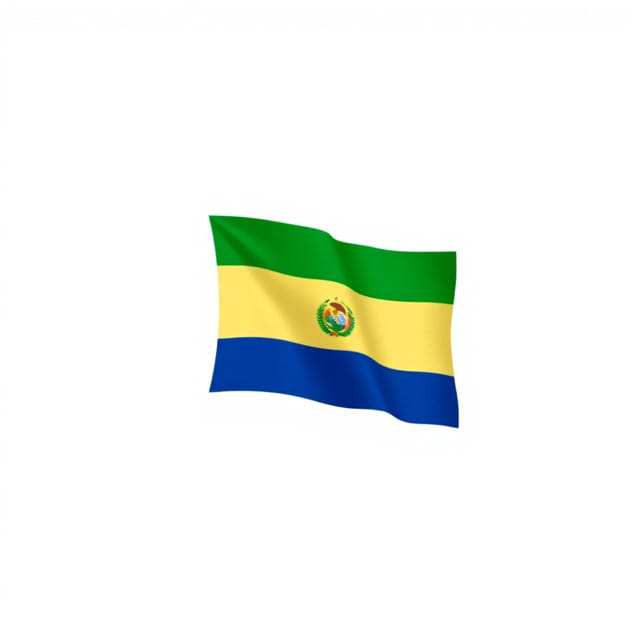
The flag of Bolivia is a vibrant and symbolic representation of the country’s rich history, cultural diversity, and national pride. This tricolor flag is one of the most recognizable symbols of Bolivia and holds deep meaning for its citizens. The combination of red, yellow, and green horizontal stripes is not merely aesthetic; each color conveys significant aspects of Bolivia’s identity. Understanding the flag of Bolivia involves looking into its design, historical background, legal recognition, symbolic interpretations, and how it is used in various contexts across the country. The flag is a powerful national emblem that serves to unite Bolivians across different regions, languages, and ethnicities under a shared sense of heritage and sovereignty.
Design and Structure of the Bolivian Flag
The national flag of Bolivia features three horizontal stripes of equal width. From top to bottom, the colors are red, yellow, and green. These colors are standard across both official and informal representations of the flag and are respected in all formats, from government buildings to school classrooms.
Detailed Description
- Top Stripe – RedSymbolizes the bravery and valor of the Bolivian soldiers and their sacrifices in the fight for independence and freedom.
- Middle Stripe – YellowRepresents Bolivia’s mineral resources, wealth, and the nation’s prosperity through its natural bounty.
- Bottom Stripe – GreenStands for the fertility of the land, agriculture, and Bolivia’s commitment to a peaceful future and environmental balance.
While the basic flag contains only the three stripes, the state version of the flag includes the national coat of arms centered on the yellow stripe. This version is used for official government purposes and public institutions.
Historical Evolution of the Flag
The current flag of Bolivia was officially adopted on October 31, 1851. Before this version, Bolivia used different flag designs, influenced by political changes, colonial rule, and regional symbols.
Previous Versions
- 1825 FlagThe first national flag was introduced shortly after Bolivia’s independence from Spain. It had green and red stripes with a central star symbolizing the new republic.
- 1826 FlagThis version added a yellow stripe in the middle, but with a different configuration than today’s flag.
- 1851 FlagThe current horizontal tricolor layout was established, becoming a consistent symbol of national identity since then.
The flag’s development reflects Bolivia’s political evolution and desire to express its independence from colonial influence while embracing its unique national characteristics.
Symbolism and Cultural Importance
The Bolivian flag is more than a national symbol it is an expression of unity, resilience, and national character. Each color resonates deeply with the country’s past struggles and current aspirations.
Symbolism Explained
- RedReminds citizens of Bolivia’s wars of independence and the blood shed to defend freedom and sovereignty.
- YellowHighlights Bolivia’s status as a resource-rich country, particularly in minerals like tin, silver, and lithium.
- GreenEncourages a connection to the land, sustainability, and Bolivia’s vast biodiversity in the Amazon, Andes, and Gran Chaco regions.
The flag serves as a reminder of the country’s values and priorities. Its colors are echoed in many cultural and national events, including parades, sporting events, and school ceremonies.
The National Coat of Arms and Its Use on the Flag
The version of the Bolivian flag used for official purposes includes the national coat of arms. This symbol is full of detail and represents many aspects of Bolivia’s geography, politics, and cultural identity.
Elements of the Coat of Arms
- Central ImageMount Potosí, symbolizing the country’s mining history, with the sun rising in the background.
- LlamaThe national animal and a representation of indigenous culture and agriculture.
- Wheat and Palm BranchesRepresent agriculture and peace.
- Ten StarsNine for each department and one for the former Litoral region, lost to Chile during the War of the Pacific.
- Bolivian Flag and RiflesIndicate sovereignty and the protection of national interests.
The use of the flag with the coat of arms is reserved for government use, and it flies alongside the simpler civil version in official ceremonies and international functions.
Legal Framework and Official Recognition
The Bolivian Constitution and several laws regulate the flag’s design, use, and respect. The national symbols are protected under Bolivian law, and their misuse or disrespect can result in penalties.
Flag Days and Protocols
- August 17Flag Day in Bolivia, celebrated with patriotic events, flag-raising ceremonies, and educational programs.
- Official BuildingsRequired to fly the flag daily.
- SchoolsConduct weekly flag ceremonies to instill national pride in students.
Institutions are also required to maintain the flag in good condition. Tattered or faded flags must be respectfully retired according to national protocol.
The Wiphala and Indigenous Representation
In addition to the national tricolor flag, Bolivia also recognizes the Wiphala as a co-official symbol, particularly for its indigenous population. This flag, with its colorful checkerboard pattern, represents the Andean indigenous nations and is commonly flown alongside the Bolivian flag in public spaces.
Differences Between the Flags
- Bolivian National FlagRepresents the entire Bolivian state and its historical struggle for independence.
- WiphalaSymbolizes the indigenous peoples of the Andes and their cultural and political contributions.
This dual flag system reflects Bolivia’s plurinational identity and the importance of inclusion for its many indigenous groups. It acknowledges the richness of Bolivia’s multicultural heritage.
Presence in Daily Life and International Representation
The flag of Bolivia is not only present in political and institutional contexts but also plays an active role in everyday life. It is displayed at homes during national holidays, seen on clothing, and used in sports stadiums by Bolivian fans abroad.
International Usage
- Embassies and ConsulatesThe flag marks Bolivian diplomatic buildings around the world.
- Sporting EventsAthletes and supporters proudly carry the flag during international competitions such as the Olympics and the FIFA World Cup.
- UN and Global ForumsThe Bolivian flag stands among those of other nations, symbolizing the country’s sovereignty and global participation.
It is also a source of pride for Bolivian expatriate communities, serving as a visible reminder of their cultural roots and national connection.
The flag of Bolivia is more than a symbol; it is a narrative of courage, richness, and unity. Its three bold colors communicate the nation’s past sacrifices, present resources, and future hope. Whether waving in the breeze above a government building or stitched onto the backpack of a Bolivian traveler, the flag resonates with deep meaning. Understanding the flag of Bolivia opens a window into the country’s identity, its people, and its values. As the country continues to evolve politically and socially, the flag remains a steady emblem of Bolivian pride, heritage, and sovereignty.