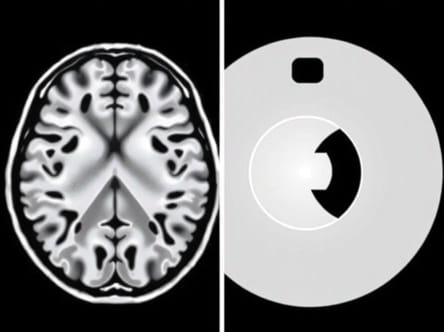
Medical imaging is a crucial component of modern healthcare, allowing physicians to diagnose and monitor a wide range of conditions with precision. Among the most commonly used imaging techniques are Magnetic Resonance Imaging (MRI) and Computed Tomography (CT) scans. Although both tools provide detailed images of the body, they operate using different technologies and are suited for different medical situations. Understanding the differences between MRI and CT scans helps patients and healthcare providers make informed decisions about which imaging modality is most appropriate for diagnosis, treatment planning, and ongoing monitoring of various health conditions.
Understanding MRI
Magnetic Resonance Imaging, or MRI, is an advanced imaging technique that uses strong magnetic fields and radio waves to produce detailed images of the internal structures of the body. Unlike X-rays or CT scans, MRI does not involve ionizing radiation, making it a safer option for repeated imaging when necessary. MRI is particularly effective for soft tissue imaging, such as the brain, spinal cord, muscles, ligaments, and organs. By providing high-resolution images, MRI allows for the detection of subtle abnormalities that might not be visible with other imaging methods.
How MRI Works
MRI technology relies on the principles of nuclear magnetic resonance. When a patient is placed in a strong magnetic field, the protons in the body’s hydrogen atoms align with the field. Radiofrequency pulses are then applied, causing these protons to emit signals as they return to their original alignment. These signals are captured by the MRI machine and processed by a computer to create detailed images of the body’s internal structures. Different tissues produce varying signal intensities, which allows MRI to distinguish between normal and abnormal tissue.
Common Uses of MRI
- Detecting brain tumors, stroke, and neurological disorders
- Evaluating spinal cord injuries and disc abnormalities
- Assessing joint injuries, ligament tears, and soft tissue conditions
- Monitoring heart and vascular conditions
- Investigating abdominal and pelvic organs for tumors or other abnormalities
Understanding CT Scan
Computed Tomography, commonly known as a CT scan, is an imaging technique that combines multiple X-ray measurements taken from different angles to create cross-sectional images of the body. CT scans are highly effective for visualizing bones, detecting internal bleeding, and identifying lung, chest, and abdominal conditions. The rapid imaging process makes CT scans particularly useful in emergency situations, where speed and accuracy are critical for diagnosis and treatment.
How CT Scan Works
CT scanners use a rotating X-ray device that captures multiple images of the body in thin slices. These images are then processed by a computer to generate detailed cross-sectional views, which can be further reconstructed into three-dimensional images. CT imaging relies on the absorption of X-rays by different tissues dense structures like bones absorb more radiation and appear white, while softer tissues absorb less and appear in shades of gray. This differential absorption allows CT scans to distinguish between various tissues and detect abnormalities.
Common Uses of CT Scan
- Identifying bone fractures and skeletal injuries
- Detecting internal bleeding and trauma injuries
- Diagnosing lung infections, tumors, and pulmonary embolisms
- Guiding biopsies and minimally invasive procedures
- Evaluating abdominal organs such as the liver, kidneys, and intestines
Key Differences Between MRI and CT Scan
While MRI and CT scans are both essential diagnostic tools, they differ significantly in terms of technology, imaging capability, safety, and application. Understanding these differences helps healthcare providers choose the most appropriate modality for a given condition.
Imaging Technology
- MRI uses magnetic fields and radio waves to create images, focusing on soft tissues and fine details.
- CT scans use X-ray radiation to produce cross-sectional images, which are particularly effective for bones and dense structures.
Tissue Visualization
- MRI excels in soft tissue contrast, making it ideal for brain, muscle, ligament, and organ imaging.
- CT is superior for imaging bones, detecting fractures, and identifying acute bleeding.
Radiation Exposure
- MRI does not use ionizing radiation, making it safer for repeated imaging, children, and pregnant patients (with certain precautions).
- CT scans involve exposure to ionizing radiation, which may limit their use in repeated imaging unless necessary for urgent diagnosis.
Speed and Accessibility
- CT scans are faster, typically taking only a few minutes, making them suitable for emergencies.
- MRI scans take longer, often 20-60 minutes, and may require patients to remain still, which can be challenging for some individuals.
Cost and Availability
- MRI is generally more expensive than CT due to the complexity of the equipment and procedure.
- CT scans are more widely available and less costly, making them a common first-line imaging choice in many hospitals.
Choosing Between MRI and CT Scan
The decision to use MRI or CT scan depends on the medical condition, urgency, and specific diagnostic requirements. Physicians consider factors such as
- The type of tissue or organ that needs to be imaged
- The patient’s medical history and risk factors
- The urgency of diagnosis (emergency vs. routine evaluation)
- Cost, availability, and patient tolerance for the procedure
For example, a patient with a suspected brain tumor may benefit from an MRI for detailed soft tissue imaging, while a patient with traumatic injuries or suspected internal bleeding may require a rapid CT scan for immediate evaluation.
Advantages and Limitations
Advantages of MRI
- Excellent soft tissue contrast
- No exposure to ionizing radiation
- Ability to image complex structures such as brain and spinal cord
Limitations of MRI
- Longer scan times and need for patient stillness
- Higher cost compared to CT
- Not suitable for patients with certain metal implants or devices
Advantages of CT Scan
- Fast and widely available
- Effective for bone imaging and emergency situations
- Useful for guiding interventions such as biopsies
Limitations of CT Scan
- Exposure to ionizing radiation
- Less effective in soft tissue contrast compared to MRI
- Potential risk for patients with kidney issues if contrast dye is used
Both MRI and CT scans play vital roles in modern medical diagnostics, each offering unique advantages depending on the clinical scenario. MRI provides detailed images of soft tissues without radiation exposure, making it ideal for neurological, musculoskeletal, and organ evaluation. CT scans are faster, excellent for bone imaging, and invaluable in emergency settings where rapid diagnosis is required. Understanding the differences between MRI and CT scans helps patients and healthcare providers make informed decisions, ensuring accurate diagnosis, effective treatment planning, and optimal patient outcomes. By selecting the appropriate imaging modality based on the patient’s condition and medical needs, physicians can leverage the strengths of each technology to provide the highest standard of care.