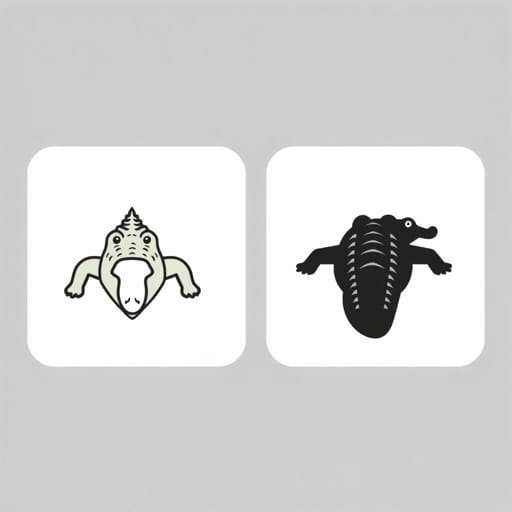
The difference between crocodile and alligator is a topic that often confuses many people, as these two reptiles share similar appearances and habitats. Both belong to the order Crocodylia and are large, carnivorous reptiles with armored bodies, powerful jaws, and long tails. Despite these similarities, crocodiles and alligators have distinct physical features, behavioral traits, and geographical distributions that set them apart. Understanding the differences between these species is important not only for wildlife enthusiasts and researchers but also for safety and conservation efforts. Observing subtle details such as snout shape, teeth visibility, and skin texture can help distinguish these reptiles in the wild or in captivity, highlighting the diversity within the crocodilian family.
Physical Differences Between Crocodiles and Alligators
One of the easiest ways to differentiate between crocodiles and alligators is by examining their physical characteristics. While both animals have tough, scaly skin and similar body structures, there are key features that are distinct.
Snout Shape
The shape of the snout is one of the most noticeable differences. Crocodiles typically have a V-shaped, pointed snout, which is more tapered and narrow. This shape helps them catch a variety of prey, including fish and mammals, with precision. Alligators, on the other hand, have a U-shaped, broader snout that is rounded and wider. This snout shape is more suited for crushing prey such as turtles and hard-shelled animals, reflecting differences in their feeding habits and dietary preferences.
Teeth Visibility
Another visible difference lies in the arrangement of teeth. When a crocodile closes its mouth, both the upper and lower teeth are visible, especially the large fourth tooth on the lower jaw, which fits into a notch in the upper jaw. In alligators, only the upper teeth are visible when the mouth is closed. This subtle difference can help observers identify these reptiles from a distance or in photographs.
Skin Texture and Color
The skin color and texture of crocodiles and alligators also vary. Crocodiles generally have a lighter, olive brown color with a rougher and more rugged texture. Alligators tend to be darker, almost blackish-grey, with smoother skin, especially on their bellies. These differences in coloration often correspond to their natural habitats and help with camouflage in water and surrounding environments.
Habitat and Geographic Distribution
Geography plays a significant role in distinguishing crocodiles from alligators. While both are aquatic reptiles, they prefer different environments and regions around the world.
Alligator Habitats
Alligators are primarily found in freshwater environments such as rivers, lakes, swamps, and marshes. They are native to the southeastern United States, particularly Florida and Louisiana, and can also be found in parts of China. Their preference for freshwater habitats makes them less tolerant of saltwater conditions, although they occasionally venture into brackish areas.
Crocodile Habitats
Crocodiles have a broader range and are more versatile in their habitat preferences. They inhabit freshwater, brackish, and saltwater environments, including rivers, estuaries, lagoons, and mangrove swamps. Crocodiles are found in parts of Africa, Australia, Southeast Asia, North America, and Central and South America. Their ability to tolerate saltwater is aided by specialized salt glands on their tongues, which help excrete excess salt from their bodies.
Behavioral Differences
Behavior and temperament also differ between crocodiles and alligators. These differences affect how humans interact with these reptiles and influence their roles in ecosystems.
Temperament
Crocodiles are generally considered more aggressive and territorial than alligators. They are more likely to attack humans or other animals if provoked or threatened. Alligators, in contrast, are usually more docile and tend to avoid confrontation. While both species can be dangerous, understanding their behavioral tendencies helps reduce human-wildlife conflicts and ensures safer interactions.
Feeding Behavior
While both are carnivorous, their feeding habits differ slightly. Crocodiles are opportunistic hunters and will eat fish, birds, mammals, and even other reptiles. They are known for their ambush tactics and powerful bite, allowing them to take down larger prey. Alligators primarily feed on fish, amphibians, small mammals, and invertebrates. Their broader snout allows them to crush hard-shelled prey, reflecting their adaptation to freshwater environments.
Reproduction and Lifespan
Reproductive behavior and lifespan are additional areas where crocodiles and alligators differ. Both species build nests and lay eggs, but nesting habits and incubation periods can vary.
Nesting
Alligators build mound nests using vegetation, mud, and other organic materials. The temperature of the nest influences the sex of the hatchlings, a phenomenon known as temperature-dependent sex determination. Crocodiles often dig holes in sandy banks or create mound nests, depending on the species and environment. Their eggs are also sensitive to temperature, affecting hatching success and sex ratios.
Lifespan
Both crocodiles and alligators have long lifespans, often exceeding 50 years in the wild. Some species of crocodiles, such as the saltwater crocodile, may live up to 70 years. Alligators tend to have slightly shorter lifespans but can survive for decades under favorable conditions. Understanding lifespan is important for conservation efforts and habitat management.
Conservation Status
Conservation efforts for crocodiles and alligators differ due to their distribution, habitat, and human impact. While alligator populations in the United States have rebounded thanks to protective measures and habitat restoration, some crocodile species remain endangered due to habitat loss, poaching, and human conflict. The American alligator is now classified as a species of least concern, while species like the Philippine crocodile and the Orinoco crocodile are critically endangered. Conservation programs focus on protecting habitats, regulating hunting, and educating the public to ensure these ancient reptiles survive for future generations.
Key Differences Summary
- Snout ShapeCrocodiles have pointed, V-shaped snouts; alligators have rounded, U-shaped snouts.
- Teeth VisibilityCrocodiles show both upper and lower teeth when the mouth is closed; alligators show only upper teeth.
- Skin ColorCrocodiles are lighter, olive brown; alligators are darker, grey-black.
- HabitatCrocodiles live in freshwater, brackish, and saltwater; alligators prefer freshwater.
- TemperamentCrocodiles are more aggressive; alligators are more docile.
- DistributionCrocodiles are widespread in Africa, Asia, Australia, and the Americas; alligators are mainly in the US and China.
Although crocodiles and alligators are closely related and share many features, the differences between them are significant. From snout shape and teeth arrangement to habitat preference, behavior, and distribution, these characteristics help distinguish one species from the other. Understanding the differences between crocodiles and alligators is crucial for wildlife observation, safety, ecological studies, and conservation efforts. By recognizing these distinctions, humans can better appreciate the diversity within the crocodilian family and contribute to the protection and preservation of these remarkable reptiles for generations to come.