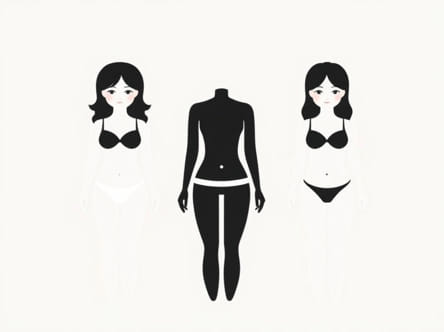
Eating disorders are complex mental health conditions that affect both the body and the mind. Among the most well-known are anorexia nervosa and bulimia nervosa. While both involve unhealthy relationships with food, weight, and body image, the behaviors, symptoms, and consequences differ in important ways. Understanding the difference between anorexia and bulimia is essential for recognizing the signs, providing support, and seeking appropriate treatment. These conditions can be life-threatening if left untreated, making awareness and early intervention critical.
Understanding Anorexia Nervosa
Anorexia nervosa, often referred to simply as anorexia, is a condition where individuals severely restrict their food intake due to an intense fear of gaining weight. This goes beyond normal dieting and is characterized by distorted body image and extreme behaviors to avoid weight gain.
Key Characteristics of Anorexia
- Severe restriction of calories and food intake.
- Persistent fear of becoming overweight even when underweight.
- Distorted perception of body shape and size.
- Excessive exercise or other behaviors to prevent weight gain.
Physical and Psychological Symptoms
The effects of anorexia are both physical and psychological. People may experience significant weight loss, fatigue, dizziness, brittle nails, thinning hair, and irregular or absent menstrual cycles. On a psychological level, anxiety, depression, and obsessive thoughts about food and weight are common.
Understanding Bulimia Nervosa
Bulimia nervosa, or bulimia, involves cycles of binge eating followed by compensatory behaviors aimed at preventing weight gain. Unlike anorexia, individuals with bulimia may maintain a weight that appears normal or even above average, which can make it harder to detect.
Key Characteristics of Bulimia
- Repeated episodes of eating unusually large amounts of food in a short time.
- Feeling a loss of control during binge episodes.
- Engaging in purging behaviors, such as self-induced vomiting or excessive use of laxatives.
- Alternating between restriction and overeating cycles.
Physical and Psychological Symptoms
Bulimia can cause serious health problems, including sore throat, erosion of tooth enamel, swollen glands, dehydration, and digestive issues. Psychologically, feelings of shame, guilt, and secrecy often accompany binge and purge episodes, leading to emotional distress and social withdrawal.
The Core Difference Between Anorexia and Bulimia
Although anorexia and bulimia are both classified as eating disorders, their main difference lies in how individuals control their weight. Anorexia primarily involves restriction of food intake, while bulimia is marked by cycles of bingeing and purging. Body weight can also be a distinguishing factor, as individuals with anorexia are typically underweight, whereas those with bulimia may be within a normal weight range.
Shared Similarities
Despite their differences, anorexia and bulimia share some overlapping features. Both are rooted in an intense fear of weight gain and distorted body image. They can both cause malnutrition, emotional suffering, and serious long-term health complications if untreated.
Medical Complications of Anorexia vs. Bulimia
Both disorders can lead to life-threatening complications, but the risks differ slightly depending on the condition.
Complications of Anorexia
- Severe malnutrition and organ damage.
- Weak bones and osteoporosis.
- Heart problems, including irregular heartbeat.
- Fertility issues due to hormonal imbalance.
Complications of Bulimia
- Electrolyte imbalances that can affect heart rhythm.
- Damage to the esophagus from repeated vomiting.
- Dental erosion from stomach acid.
- Digestive system problems and chronic sore throat.
Psychological Aspects
Both anorexia and bulimia involve significant psychological struggles. Low self-esteem, perfectionism, anxiety, and depression are often linked to these conditions. People suffering from either disorder may isolate themselves socially and experience deep emotional pain related to food, body image, and self-worth.
Risk Factors and Causes
Eating disorders do not have a single cause. Instead, they result from a combination of biological, psychological, and social factors. Genetics, personality traits, cultural pressures, and traumatic experiences can all play a role in the development of anorexia or bulimia.
Biological Factors
A family history of eating disorders, depression, or anxiety can increase the risk. Hormonal imbalances and changes in brain chemistry may also contribute.
Psychological Factors
Perfectionism, obsessive tendencies, and low self-esteem often make individuals more vulnerable to anorexia or bulimia. Both disorders can also be coping mechanisms for stress or emotional pain.
Social and Cultural Factors
Societal emphasis on thinness, exposure to unrealistic body images in media, and peer pressure can strongly influence the development of disordered eating behaviors.
Treatment Options
Both anorexia and bulimia require professional treatment to achieve recovery. Early intervention increases the chances of long-term healing.
Medical Treatment
Medical monitoring is important to address malnutrition, electrolyte imbalances, and organ complications. In severe cases, hospitalization may be necessary.
Nutritional Therapy
Working with a registered dietitian helps individuals develop healthier eating patterns and a better relationship with food.
Psychological Treatment
Therapies such as cognitive-behavioral therapy (CBT), family-based therapy, and individual counseling are highly effective in treating the underlying psychological issues. Support groups can also provide encouragement and connection.
Medication
In some cases, antidepressants or anti-anxiety medications may be prescribed to address co-occurring mental health conditions.
Supporting Someone with an Eating Disorder
Family and friends play an important role in supporting recovery. Approaching the person with compassion rather than judgment, encouraging professional help, and offering emotional support are key steps. It is important to avoid making comments about weight or appearance, and instead focus on health and well-being.
Prevention and Awareness
Raising awareness about the difference between anorexia and bulimia can help in prevention. Promoting healthy body image, teaching coping skills for stress, and challenging societal pressures around appearance can reduce the risk of developing eating disorders. Schools, families, and communities all play a role in fostering environments that encourage positive self-esteem and healthy habits.
Although anorexia and bulimia share similarities, their key difference lies in the way individuals attempt to control their weight. Anorexia centers on extreme restriction, while bulimia involves bingeing and purging behaviors. Both conditions are serious and potentially life-threatening, but with proper treatment and support, recovery is possible. Understanding these disorders helps break down stigma, encourage early intervention, and promote healthier attitudes toward food and body image.