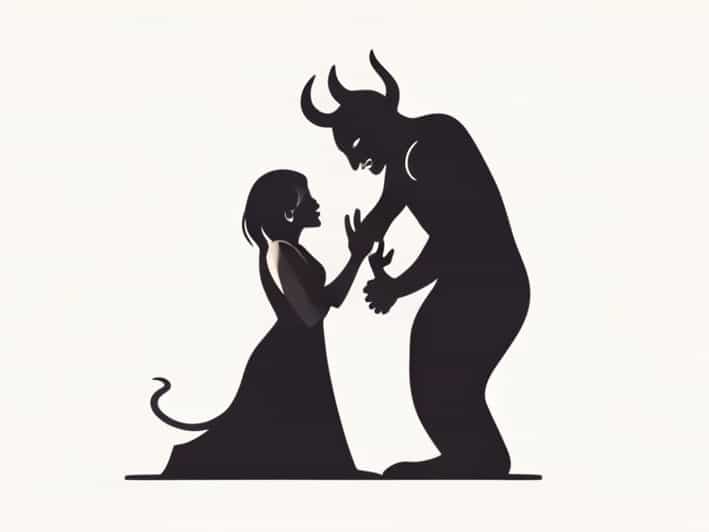
The phrase the devil is beating his wife may sound alarming or even confusing to those unfamiliar with it, but it is actually a traditional idiom used in various parts of the world. This curious expression describes a weather phenomenon when the sun is shining while it’s raining at the same time. Despite its dark wording, the saying has nothing to do with violence; rather, it reflects old folklore and cultural traditions that attempted to explain strange natural events before modern meteorology existed. Understanding this phrase requires looking into its history, meanings, and variations across different cultures.
Origins of the Phrase
The expression the devil is beating his wife has its roots in Southern American folklore, where it has been used for generations to describe sunshowers the unusual occurrence of rainfall during sunshine. This phrase may have evolved from older European sayings that personified weather patterns with mythical or moralistic figures, often mixing superstition with storytelling.
In many cases, people used the devil as a symbol for contradiction, mischief, or confusion. Seeing rain fall while the sun shines naturally seemed contradictory, and so the event was attributed to something supernatural. Over time, this imagery became embedded in language and culture, turning into a colorful idiom still recognized by many today, particularly in the southern United States.
Folklore and Symbolism
Folklore has always sought to explain the mysteries of nature, and weather has been a major part of that storytelling tradition. When early people saw sunshine and rain coexisting, they may have seen it as a symbol of mixed emotions joy and sorrow, light and darkness, good and evil. This emotional and symbolic complexity was often represented through mythological or spiritual figures.
In the case of the devil is beating his wife, the devil represents chaos or contradiction, while the wife symbolizes the natural world reacting to that disturbance. The sunshine may signify the devil’s fiery temper, and the rain, his wife’s tears. Though strange to modern ears, this poetic symbolism reflects a time when people used stories to explain events they could not yet scientifically understand.
Regional Variations and Cultural Interpretations
While the phrase is most commonly associated with the American South, similar sayings exist in other languages and cultures around the world. Each region has its own interpretation, often involving local deities or folk characters rather than the devil himself.
- In FranceA sunshower is sometimes called the devil is beating his wife and marrying his daughter. The connection between weather and family drama is a recurring theme in many European idioms.
- In South AfricaPeople say the monkey is getting married when it rains and the sun is shining. The phrase has a playful tone and reflects the region’s cultural relationship with nature and animals.
- In KoreaThe same phenomenon is described as a tiger’s wedding. In Japanese culture, it’s also referred to as kitsune no yomeiri, meaning the fox’s wedding, connecting the event to folklore creatures known for trickery and transformation.
- In IndiaSome regions say jackals are getting married, again linking the odd weather to animal behavior and mythological imagination.
These variations show that across cultures, humans have always found creative ways to describe weather phenomena, often by connecting them to local legends, humor, or spiritual beliefs. The idea that animals or supernatural beings are celebrating, arguing, or getting married reflects an imaginative approach to interpreting the natural world.
Language Evolution and Modern Perspectives
Language constantly evolves, and idioms that were once common can become misunderstood or even controversial over time. In modern contexts, the phrase the devil is beating his wife is often avoided because its literal wording includes imagery of domestic violence. Although the original intent was never about real abuse, today’s awareness of sensitive issues has led many to prefer alternative expressions.
In some communities, people still use the phrase playfully, especially in rural areas where folk sayings remain part of daily conversation. Others have replaced it with more neutral alternatives like the devil’s having a party or simply it’s sunshowering. These new versions preserve the whimsical nature of the expression without invoking disturbing imagery.
The Importance of Context
Understanding idioms like this requires cultural and historical context. Without knowing the background, someone hearing the devil is beating his wife for the first time might assume it has a literal or violent meaning. However, within the right context describing a sunshower the phrase takes on a completely different tone, one rooted in folklore and weather lore rather than aggression.
This highlights an important aspect of language idioms often cannot be translated or interpreted literally. Their meanings come from cultural familiarity, shared experience, and historical continuity. For linguists and cultural historians, studying such phrases offers valuable insight into how people across generations made sense of their environment through storytelling.
Scientific Explanation of Sunshowers
From a meteorological standpoint, a sunshower occurs when rain falls from one part of a cloud while another part of the sky remains clear, allowing sunlight to shine through. This can happen when rain clouds are thin or when winds blow rain into an area where the sun is visible. The phenomenon is more common in tropical or humid climates, where localized rain showers can occur even under mostly sunny conditions.
While science provides a logical explanation, the charm of old sayings like the devil is beating his wife persists because it captures the wonder and surprise of seeing sunlight and rain coexist a natural contradiction that still feels magical, even in an age of weather forecasts and satellite imagery.
The Expression in Literature and Popular Culture
Over the years, the phrase has occasionally appeared in literature, song lyrics, and regional storytelling, often used to evoke a sense of mystery or the unexpected. Writers who include the idiom in dialogue or description typically do so to establish a Southern or rural setting, where such expressions remain part of the local voice.
In popular culture, however, the phrase has declined in usage, partly due to changing social norms. Modern audiences tend to prefer expressions that are whimsical rather than potentially offensive. Nonetheless, it remains an interesting example of how folklore and language intertwine to create vivid, memorable imagery.
Weather, Myth, and the Human Imagination
The human tendency to personify natural events is universal. From thunder gods to rain dances, people have long sought to give meaning to the unpredictable behavior of the weather. Sunshowers in particular have inspired legends about weddings, tricksters, or supernatural celebrations because they combine opposites sunshine and rain in a single moment.
The phrase the devil is beating his wife fits neatly into this tradition. It uses human drama to describe a meteorological curiosity, reminding us that language is not just a tool for communication but also for storytelling. These idioms keep our connection to folklore alive, linking the scientific world we live in today with the imaginative one of our ancestors.
Modern Reflections on the Idiom
While many people appreciate the historical and cultural significance of the saying, there’s also growing recognition of how language influences thought. Because the phrase includes imagery of violence, even metaphorically, some prefer to retire it in favor of more positive or neutral alternatives. Language evolves with cultural awareness, and this process reflects society’s ongoing efforts to promote empathy and understanding.
Still, studying expressions like this one allows us to trace linguistic evolution and explore how humans have historically blended myth, morality, and observation to explain the world. The story of this idiom’s rise and decline is not just about weather it’s about how societies change, how meaning shifts, and how words reflect values over time.
The devil is beating his wife is more than a strange old saying; it’s a window into how people once viewed the mysterious interactions between sunlight and rain. Though the phrase may feel outdated or uncomfortable today, its origins in folklore and nature storytelling reveal the creativity of early cultures in describing their world. Whether replaced with modern alternatives or remembered as a linguistic curiosity, it remains a fascinating reminder of the link between weather, imagination, and human expression. The next time you see the sun shining through a light rain, you might recall this old phrase and the centuries of folklore it carries.