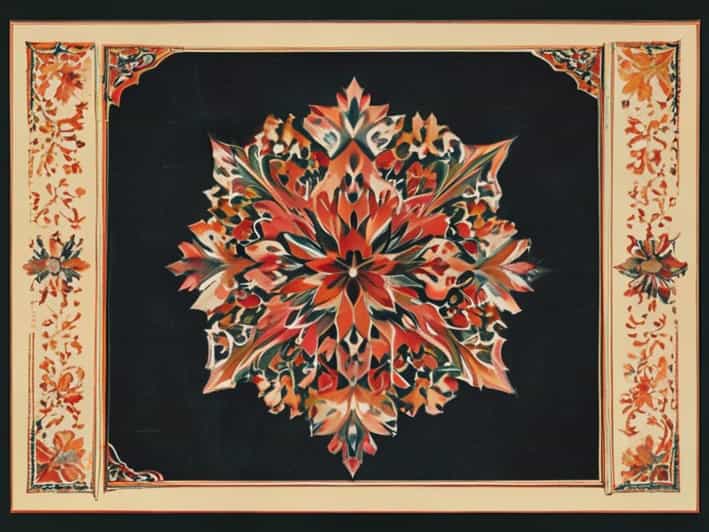
The Ardabil Carpet is widely regarded as one of the most exquisite examples of Persian carpet weaving, renowned for its intricate designs, rich colors, and historical significance. Its origin traces back to the city of Ardabil in northwestern Iran, a region known for producing some of the finest carpets in the world. Over centuries, the carpet has fascinated historians, collectors, and art enthusiasts alike, not only for its craftsmanship but also for its journey across locations, now becoming a symbol of cultural heritage and artistic mastery. Understanding the current and historical locations of the Ardabil Carpet provides insight into both its cultural context and its significance in the global art world.
Historical Background of the Ardabil Carpet
The Ardabil Carpet was created during the Safavid dynasty in the 16th century, a period marked by flourishing arts and craftsmanship in Persia. Commissioned for the shrine of Sheikh Safi al-Din in Ardabil, the carpet served both religious and aesthetic purposes, enhancing the spiritual atmosphere of the shrine with its elaborate geometric patterns and medallion design. Made from fine silk and wool, it demonstrates exceptional weaving techniques, with a knot density that showcases the high level of skill possessed by Persian artisans of the era.
Design and Symbolism
The Ardabil Carpet is notable for its symmetrical design, dominated by a large central medallion surrounded by a series of smaller motifs and floral patterns. The vibrant color palette of reds, blues, and golds, combined with meticulous detailing, reflects not only the artistic trends of Safavid Persia but also conveys symbolic meanings, such as divine protection and spiritual harmony. These elements have contributed to the carpet’s reputation as a masterpiece of Islamic art and have drawn attention from museums and collectors worldwide.
Original Location Ardabil, Iran
The carpet was originally located in the city of Ardabil at the shrine of Sheikh Safi al-Din, a place of great spiritual and historical significance. Ardabil itself, located near the borders of Azerbaijan, has long been recognized for its high-quality weaving traditions. The shrine complex, which housed the Ardabil Carpet, attracted pilgrims and patrons who appreciated fine artistry as an integral part of religious devotion. The presence of the carpet in Ardabil underscores the importance of location in understanding the cultural context and intended purpose of such masterpieces.
The Journey from Ardabil
Over time, parts of the original Ardabil Carpet were removed from Iran due to various historical events, including colonial expeditions and art acquisitions by foreign institutions. In the 19th century, a significant portion of the carpet was purchased by collectors and eventually made its way to Europe. Today, the original Ardabil Carpet is divided into two main pieces, reflecting the historical journey and shifting custodianship of cultural artifacts.
Current Location The Victoria and Albert Museum
Today, the largest portion of the Ardabil Carpet is housed at the Victoria and Albert Museum in London, United Kingdom. This piece, often displayed prominently due to its size and artistic importance, allows visitors to appreciate its intricate details and historical significance firsthand. The V&A’s exhibition emphasizes the technical mastery involved in creating such a carpet, from its knotting techniques to the balanced composition of its motifs. For art historians and enthusiasts, seeing the carpet in London provides a tangible connection to the rich cultural heritage of Safavid Persia.
Other Locations and Fragments
In addition to the V&A Museum, other fragments and smaller carpets from the original Ardabil set can be found in various collections worldwide. Museums in the United States, such as the Los Angeles County Museum of Art, also hold pieces that were once part of the same masterwork. These dispersed locations allow scholars to study different sections of the carpet, compare weaving styles, and analyze regional influences in Persian textile art.
Significance of Location in Cultural Heritage
The locations of the Ardabil Carpet, both historical and current, provide insight into its cultural and artistic significance. Originally serving a spiritual and communal purpose in Ardabil, the carpet’s journey to international museums reflects broader historical dynamics, including the global interest in Persian art. Its display in modern institutions highlights the importance of preserving and interpreting cultural artifacts for educational purposes, allowing audiences worldwide to engage with the craftsmanship and history of Persian carpets.
Impact on Tourism and Local Economy
The Ardabil Carpet’s fame has also contributed indirectly to tourism and the appreciation of local crafts in Iran. Visitors to Ardabil are drawn not only to the shrine of Sheikh Safi al-Din but also to the region’s rich weaving traditions. Local artisans continue to produce high-quality carpets, inspired by historical examples such as the Ardabil Carpet. This blend of historical reverence and contemporary craftsmanship supports both cultural preservation and economic sustainability in the region.
Preservation and Conservation Efforts
Due to its age and delicate materials, the Ardabil Carpet requires meticulous preservation. Museums housing the carpet invest in controlled environments, including regulated humidity and light exposure, to prevent damage. Conservation specialists also perform careful restorations when necessary, ensuring that the carpet maintains its integrity for future generations. These efforts highlight the intersection of art, history, and science in the stewardship of cultural heritage.
Challenges in Maintaining the Carpet
Preserving a textile as intricate and historic as the Ardabil Carpet presents several challenges. The natural fibers used in the carpet are susceptible to deterioration over time. Additionally, the vibrant dyes, though remarkably stable, can fade if exposed to excessive light. Museums must balance public display with conservation needs, sometimes rotating exhibits or creating high-quality reproductions for educational purposes to minimize wear on the original artifact.
The Ardabil Carpet in Art History
Beyond its physical location, the Ardabil Carpet holds an essential place in art history. Scholars frequently cite it as a benchmark for Safavid textile artistry, noting its innovative use of geometry, floral motifs, and color harmony. The carpet has inspired artists, designers, and historians in multiple disciplines, influencing both contemporary Persian carpets and broader design practices. Its study also enhances understanding of Persian cultural and religious symbolism, as well as the technical expertise required in historical weaving.
Educational and Research Opportunities
Universities and art institutions often use the Ardabil Carpet as a case study in courses on Islamic art, textile design, and conservation science. Its existence in multiple locations allows comparative studies, encouraging interdisciplinary research. Art students can analyze its knot density, pattern development, and color application, while historians examine the socio-political context of Safavid Persia. This accessibility underscores the educational value of understanding the carpet’s location and provenance.
The Ardabil Carpet’s journey from its original home in Ardabil, Iran, to museums such as the Victoria and Albert Museum in London illustrates the interplay between local craftsmanship, historical significance, and global appreciation of cultural heritage. Its location, both past and present, enriches our understanding of Persian art and offers a window into the world of Safavid-era artisans. Preserving and studying this masterpiece continues to inspire collectors, scholars, and enthusiasts, ensuring that the legacy of the Ardabil Carpet endures across time and geography.