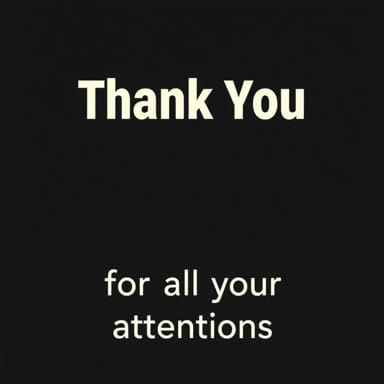
Many English learners and even fluent speakers sometimes use the phrase ‘Thank you for all your attentions’ to express gratitude. At first glance, it may sound polite or formal, but it raises questions about its grammatical correctness and intended meaning. While it’s understandable what the speaker is trying to convey, there’s subtle nuance in the phrase that deserves closer examination. The expression seems to show appreciation, but native speakers might find it unusual. Understanding what Thank you for all your attentions really means requires exploring word usage, context, and standard English phrasing.
Understanding the Components of the Phrase
Breaking Down the Phrase
Let’s look at the expression word by word:
- Thank you– This is a common and polite way of expressing gratitude.
- For– A preposition indicating the reason or cause of gratitude.
- All your– A phrase indicating totality or multiple instances of something belonging to the person being thanked.
- Attentions– This is the word that introduces ambiguity or grammatical oddity.
Why Attentions Sounds Awkward
The word attention is typically used as an uncountable noun in English. This means it does not have a plural form when referring to focus, care, or interest. Saying attentions in most general contexts is not standard English usage. The correct phrase would be Thank you for your attention or Thank you for all your attention.
What the Phrase Is Trying to Say
Expressing Gratitude in Formal Settings
People often use phrases like Thank you for your attention at the end of a presentation, email, or speech. It politely acknowledges the listener’s time and focus. When someone says Thank you for all your attentions, they are likely trying to say that they appreciate multiple instances of someone’s care, help, or focus across different moments.
Possible Intended Meaning
Although grammatically flawed, the phrase Thank you for all your attentions might be trying to express something like:
- Thank you for being attentive throughout.
- Thank you for the many ways you have helped.
- Thank you for your support and consideration.
Is Attentions Ever Correct?
Rare Usage of Attentions
In some rare and specific cases, attentions can be used in plural form, especially in older or literary English. For example:
- He paid her many attentions before proposing.
In this context, attentions means acts of courtship or gestures meant to show romantic interest. Outside of this usage, the plural form is typically avoided.
Modern English Preference
In contemporary English, especially in business, education, or general conversation, the uncountable form attention is the accepted norm. Therefore, it’s safer to use attention rather than attentions unless writing in a historical or poetic context.
Correct Alternatives to Say
Better Ways to Express the Same Idea
Instead of saying Thank you for all your attentions, consider using these more natural and grammatically correct alternatives:
- Thank you for your attention.
- Thank you for all your help and support.
- I appreciate your continuous attention.
- Thanks for always being attentive.
- Thank you for your kind attention.
Politeness in Professional Communication
In formal or written communication, the phrase Thank you for your attention is commonly used at the conclusion of meetings, presentations, and official statements. It shows appreciation for the listener’s engagement and is viewed as courteous and appropriate.
How Language Learners Fall into the Trap
Literal Translation from Other Languages
The incorrect phrase Thank you for all your attentions often comes from direct translation of similar phrases in other languages where the plural form of attention is common. In languages like Spanish, French, or Italian, saying attentions in plural can be acceptable. When translated directly into English, the grammatical error emerges.
Learning Through Repetition
Many non-native English speakers learn by imitating phrases they hear or read online. If Thank you for all your attentions is used by others, especially in informal settings, it may spread and be incorrectly accepted as normal English.
Contextual Use and Cultural Sensitivity
Politeness Varies Across Cultures
Different cultures have different expressions of gratitude. What might sound very respectful in one culture could sound odd or overly formal in another. In English-speaking cultures, brevity and clarity are preferred. Saying Thank you for your attention is enough and does not require embellishment unless the situation is highly emotional or personal.
Business and Educational Settings
In work presentations, school lectures, or public speaking, the most common phrase is:
- Thank you for your attention.
This shows respect for the audience and finishes the speech gracefully. Avoiding overcomplicated or incorrect expressions helps maintain credibility and professionalism.
Grammatical Rules to Remember
Uncountable Nouns
Attention falls into the category of uncountable nouns, similar to information, advice, and equipment. These nouns don’t typically take an s at the end when describing general quantities.
Using topics and Quantifiers
With uncountable nouns, you can use quantifiers such as:
- Much attention
- A lot of attention
- Some attention
- More attention
But avoid saying many attentions or all attentions, unless you’re referring to specific and countable gestures in a literary sense.
Although the phrase Thank you for all your attentions might be well-intentioned, it does not align with standard English grammar or usage. The correct form would be Thank you for your attention, especially when addressing an audience formally or writing an official message. Understanding the difference between countable and uncountable nouns, as well as learning from natural English patterns, helps avoid such pitfalls. So next time you want to show appreciation, keep it simple and grammatically clear. Saying Thank you for your attention is perfectly polite, clear, and widely accepted.