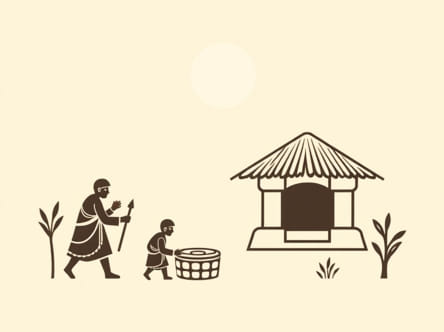
In the history of Latin America, few labor systems have had as lasting and damaging an impact as the system of peonage. This semi-feudal practice, rooted in colonial policies and reinforced by post-independence economic structures, bound countless laborers mostly Indigenous and mestizo people to a lifetime of servitude. Under the guise of legal contracts and debts, peonage perpetuated inequality and exploitation in rural Latin America, particularly in countries like Mexico, Peru, and Bolivia. The system not only shaped agricultural production but also influenced land ownership, social hierarchy, and political power in profound ways.
Definition and Origins of Peonage
The system of peonage, often referred to as debt servitude, is a labor arrangement in which a worker, or peon, is bound to an employer due to an unpaid debt. While it was technically not slavery, peonage had many of the same characteristics. Workers could not leave their employer’s land until their debts were paid, and interest rates or living expenses often ensured those debts never ended. This system became deeply entrenched in the economic and social fabric of Latin America after the Spanish conquest.
Colonial Roots
During the Spanish colonization of the Americas, the encomienda and repartimiento systems laid the groundwork for later peonage practices. Spanish colonists were granted the right to extract labor and tribute from Indigenous communities. Although these systems were officially abolished or reformed, they transitioned into other exploitative arrangements, such as the hacienda system. As large estates grew across Latin America, landlords relied heavily on bound labor to sustain agricultural production, especially in remote rural areas.
Structure of Peonage in the Hacienda System
The hacienda system, which dominated much of Latin American rural life for centuries, was the primary site where peonage thrived. Haciendas were expansive estates that required constant labor, and landowners, or hacendados, preferred peon labor because it was both cheap and controllable. Peons were tied to the land through a combination of legal contracts, cultural expectations, and economic necessity.
Debt and Dependency
The heart of the peonage system was the cycle of debt. Many peasants were given small loans or advances to buy food, seeds, or clothing. In return, they were required to work on the landowner’s estate. These debts were rarely repaid because wages were meager, and additional expenses were deducted from earnings. In many cases, debts were passed on to children, effectively making peonage a hereditary condition. Despite laws in some countries that prohibited debt servitude, enforcement was weak, and landlords used local influence to bypass legal restrictions.
Living and Working Conditions
Peons lived in modest housing on or near the estates. Their homes were often basic, and access to education or healthcare was minimal or non-existent. They worked long hours in fields, tending to crops such as sugarcane, coffee, or maize. In some cases, they also performed domestic tasks or cared for livestock. Labor was grueling, and resistance was risky, as hacendados held both economic and sometimes military power within local regions.
Regional Variations in Peonage Practices
Although peonage was widespread throughout Latin America, it varied by region. In Mexico, it became particularly entrenched after independence in the 19th century, and in parts of Central and South America, it adapted to local political and economic conditions. Below are a few regional examples:
- Mexico: The Mexican hacienda system relied heavily on Indigenous laborers. After independence, peonage expanded as liberal land reforms displaced many communal landholders.
- Peru: In the highlands, Indigenous communities were often tied to estates through peonage, especially in the production of wool and potatoes.
- Guatemala: Coffee plantations utilized debt peonage, with laborers recruited from Indigenous villages and kept on-site through controlled wages and advances.
- Brazil: Although slavery was the dominant labor system until the late 19th century, peonage persisted in remote areas after abolition, particularly in Amazonian rubber camps.
Impact on Society and Economy
The system of peonage had far-reaching consequences for Latin American societies. It entrenched a highly unequal social structure, with landowners at the top and rural laborers at the bottom. It also stifled economic mobility, as peons had little opportunity to acquire land or wealth of their own. Politically, it created a system of rural patronage that bolstered authoritarian regimes and limited democratic participation.
Social Injustice and Resistance
Peonage created significant social injustice, with millions of workers trapped in cycles of poverty and oppression. Though uprisings were rare due to the risks involved, there were notable instances of resistance. Peasant revolts, land invasions, and the formation of labor unions emerged in response to these exploitative systems, especially in the late 19th and early 20th centuries. The Mexican Revolution, for example, was fueled in part by widespread resentment toward the hacienda system and the conditions of rural peons.
Economic Stagnation
From an economic perspective, peonage may have helped landlords in the short term, but it hindered broader development. By tying labor to land without real incentives for innovation or productivity, the system discouraged investment in infrastructure, education, or technology. Regions with entrenched peonage often lagged behind in development and remained dependent on volatile agricultural markets.
Abolition and Legacy
In the 20th century, most Latin American countries passed legislation to eliminate peonage and improve labor rights. Land reform movements aimed to redistribute property and empower rural communities. However, implementation was uneven, and the social and economic legacies of peonage persist. Rural poverty, inequality, and limited access to land and services remain challenges in many areas.
Legal and Political Reforms
Efforts to abolish peonage were often tied to broader social and political reforms. In Mexico, the 1917 Constitution outlawed peonage and called for land redistribution. In Bolivia and Peru, agrarian reform laws in the mid-20th century attempted to dismantle large estates and empower Indigenous communities. These reforms had mixed results but marked a significant shift in rural labor dynamics.
Enduring Patterns
While formal peonage may be a thing of the past, its legacy lives on in the form of rural inequality, lack of land ownership, and marginalization of Indigenous populations. In some modern contexts, exploitative labor conditions echo peonage, especially in informal sectors or remote agricultural areas where legal protections are weak.
The system of peonage in Latin America was more than a labor practice it was a tool of domination and control that shaped the region’s social, economic, and political history. Rooted in colonialism and sustained by inequality, it denied generations of workers the opportunity for advancement or freedom. Understanding the peonage system is essential to grasp the challenges that Latin America continues to face in achieving justice, equity, and rural development. Though reforms have been made, the shadow of peonage still influences patterns of poverty and land ownership today.