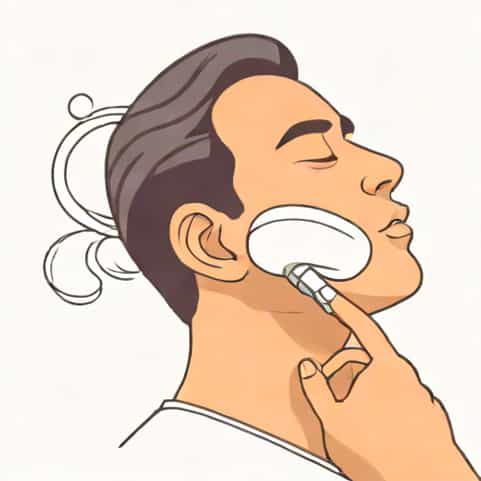
Experiencing itching after shaving is a common problem for many individuals, regardless of gender. This discomfort can occur on the face, legs, underarms, or other shaved areas, and it is often caused by irritation, ingrown hairs, or dry skin. Shaving removes not only hair but also a layer of dead skin cells, which can make the skin more sensitive. Understanding the causes of post-shaving itch and learning effective ways to prevent and treat it can make the shaving experience more comfortable and reduce the risk of skin problems over time.
Causes of Itching After Shaving
Several factors contribute to the sensation of itching after shaving. Identifying the root cause can help in selecting the most effective remedies and preventive measures. Common causes include
- Dry SkinShaving can strip the skin of natural oils, leaving it dry and itchy.
- Razor BurnA common irritation caused by friction between the razor blade and skin, leading to redness and itching.
- Ingrown HairsOccur when hair grows back into the skin instead of outward, causing bumps, inflammation, and itchiness.
- Allergic ReactionsCertain shaving creams, gels, or aftershaves may contain ingredients that irritate sensitive skin.
- Improper Shaving TechniquesUsing a dull blade, shaving against the grain, or applying too much pressure can lead to skin irritation.
Preparation Before Shaving
Proper preparation can significantly reduce post-shaving itching. Taking the time to care for your skin before shaving helps minimize irritation and promotes a smoother shave.
Cleanse the Skin
Start by washing the area to be shaved with warm water and a gentle cleanser. This removes dirt, oil, and bacteria that could cause irritation or infection. Clean skin also allows the razor to glide more smoothly, reducing friction and the risk of razor burn.
Exfoliate Gently
Exfoliation helps remove dead skin cells that can clog hair follicles and contribute to ingrown hairs. Use a mild scrub or exfoliating glove to gently massage the skin in circular motions before shaving. Exfoliation should be done carefully to avoid further irritation, especially on sensitive areas.
Apply Warm Water or a Warm Towel
Warmth softens hair and opens pores, making shaving easier and less irritating. Applying a warm towel for a few minutes or shaving after a warm shower can help prepare the skin and reduce the likelihood of itching afterward.
Choosing the Right Shaving Products
The choice of shaving products plays a critical role in preventing post-shaving itch. Selecting products that suit your skin type and hair texture can minimize irritation.
Shaving Creams and Gels
Opt for a shaving cream or gel that provides a smooth barrier between the razor and skin. Products containing moisturizing ingredients like aloe vera, glycerin, or shea butter can help keep the skin hydrated during shaving. Avoid products with strong fragrances or alcohol that can dry out the skin.
Razor Selection
Using a sharp, clean razor is essential. Dull blades pull hair instead of cutting it cleanly, which increases the risk of irritation and itching. Multi-blade razors can provide a closer shave, but some people find single-blade razors gentler on sensitive skin.
Shaving Techniques to Reduce Itching
How you shave can impact post-shaving comfort. Adopting proper techniques can prevent razor burn, ingrown hairs, and itching.
- Shave in the direction of hair growth to minimize irritation.
- Use light, gentle strokes without pressing too hard.
- Rinse the razor frequently to remove hair and shaving cream buildup.
- Avoid going over the same area multiple times, as repeated friction increases the risk of itchiness.
Aftercare to Stop Itching
Proper aftercare is crucial to soothe the skin and prevent itchiness after shaving. Applying the right products and techniques can make a significant difference.
Rinse with Cool Water
After shaving, rinse the skin with cool water to close pores and reduce inflammation. Cool water also helps calm the skin and decrease the sensation of itching.
Apply Moisturizer or Aftershave
Using a gentle, alcohol-free moisturizer or aftershave helps restore hydration and creates a protective barrier over the skin. Ingredients like aloe vera, chamomile, or vitamin E are soothing and can reduce irritation. Avoid heavy creams that may clog pores, especially in areas prone to ingrown hairs.
Consider Hydrocortisone Cream for Severe Irritation
In cases of extreme redness or persistent itching, a thin layer of over-the-counter hydrocortisone cream may help. This anti-inflammatory cream can reduce itching and calm irritation, but it should not be used daily or on broken skin.
Preventing Ingrown Hairs
Ingrown hairs are a major cause of post-shaving itch. Taking preventive steps can reduce their occurrence and minimize discomfort.
- Exfoliate regularly to prevent hair follicles from becoming clogged.
- Shave with the grain rather than against it.
- Avoid pulling the skin tight while shaving, as this can cause hair to grow back into the skin.
- Moisturize daily to keep skin soft and flexible, making it easier for hair to grow outward.
Alternative Hair Removal Methods
For individuals prone to severe post-shaving itch, exploring alternative hair removal methods may be beneficial. Options include waxing, depilatory creams, or laser hair removal. Each method has pros and cons, and it’s important to consider skin sensitivity and hair type before choosing an alternative. Some methods, like laser hair removal, provide longer-term solutions and reduce the frequency of skin irritation.
Laser Hair Removal
Laser treatments target hair follicles to reduce growth over time. While initial sessions can cause mild irritation, long-term results often eliminate the need for frequent shaving and the associated itching. Consulting a professional is essential to determine suitability and ensure proper treatment.
Waxing and Depilatory Creams
Waxing removes hair from the root, which can reduce itching for a longer period compared to shaving. Depilatory creams dissolve hair at the skin’s surface, offering another alternative. However, both methods can irritate sensitive skin, so patch testing is recommended before full application.
Itching after shaving is a common yet manageable problem. Understanding the causes, from dry skin to ingrown hairs, and taking proactive steps before, during, and after shaving can significantly reduce discomfort. Proper preparation, the right shaving products, gentle techniques, and effective aftercare are essential for preventing post-shaving itch. For those who continue to experience irritation, exploring alternative hair removal methods or consulting a dermatologist can provide longer-term solutions. By following these strategies, shaving can become a more comfortable and enjoyable experience, leaving skin smooth, healthy, and itch-free.