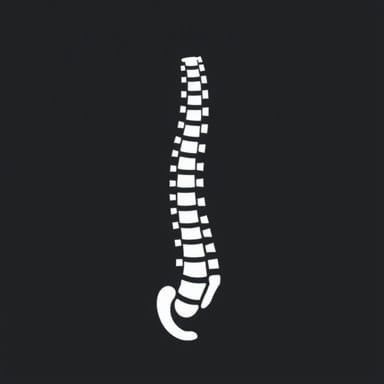
Back pain is one of the most common complaints among adults, and it can arise from a variety of conditions that affect the spine. Two of the most frequently confused spinal issues are spondylolisthesis and slipped disc. Both conditions can cause discomfort, pain, and limited mobility, but they involve different structures in the spine and require distinct approaches to treatment. Understanding the differences, symptoms, causes, and management strategies is essential for proper diagnosis and relief.
Understanding Spondylolisthesis
Spondylolisthesis occurs when one vertebra in the spine slips forward over the one below it. This misalignment can happen anywhere along the spine but is most common in the lower back, particularly in the lumbar region. The slippage may be mild or severe, and the condition can develop gradually or suddenly, depending on the underlying cause.
Causes of Spondylolisthesis
- Congenital defects Some people are born with spinal abnormalities that make them more susceptible.
- Degenerative changes Age-related wear and tear of spinal discs and joints can lead to slippage.
- Trauma Accidents or injuries can cause vertebral displacement.
- Stress fractures Repeated stress on the vertebrae, especially in athletes, may contribute to slippage.
Symptoms of Spondylolisthesis
The symptoms of spondylolisthesis vary depending on the severity of vertebral slippage. Common signs include
- Lower back pain that worsens with activity
- Muscle tightness or stiffness
- Numbness, tingling, or weakness in the legs
- Pain radiating down the legs, sometimes resembling sciatica
- Visible change in posture in severe cases
Understanding a Slipped Disc
A slipped disc, also known as a herniated or prolapsed disc, occurs when the soft inner material of a spinal disc protrudes through its outer layer. This bulging can press against nearby nerves, causing pain, numbness, or weakness. Slipped discs are most common in the lumbar and cervical regions of the spine but can occur anywhere along the vertebral column.
Causes of Slipped Disc
- Age-related degeneration Discs lose elasticity and hydration over time, increasing susceptibility.
- Heavy lifting or sudden strain Improper lifting techniques can trigger disc herniation.
- Repetitive movements Continuous bending, twisting, or high-impact activities can stress the discs.
- Trauma or accidents Falls or sudden impacts may damage disc integrity.
Symptoms of a Slipped Disc
Symptoms often depend on the location and severity of the herniation. Common signs include
- Localized back or neck pain
- Pain radiating to the arms or legs, depending on affected nerves
- Numbness or tingling in the extremities
- Weakness in muscles controlled by compressed nerves
- Aggravated pain during certain movements, such as bending or coughing
Key Differences Between Spondylolisthesis and Slipped Disc
While spondylolisthesis and slipped discs can produce similar discomfort, understanding their differences is crucial for correct diagnosis and treatment.
Structural Differences
- Spondylolisthesis involves the forward slippage of a vertebra, affecting alignment.
- A slipped disc involves the herniation of the soft disc material, affecting cushioning between vertebrae.
Common Causes
- Spondylolisthesis is often related to congenital defects, stress fractures, or degeneration.
- Slipped discs are primarily caused by disc degeneration, sudden strain, or trauma.
Symptoms and Nerve Involvement
- Spondylolisthesis may cause chronic lower back pain and postural changes, sometimes with nerve compression.
- Slipped discs more frequently cause sharp radiating pain, tingling, or weakness along nerve pathways.
Diagnosis
Accurate diagnosis of spondylolisthesis and slipped discs is essential for effective treatment. Medical professionals use a combination of physical examinations, patient history, and imaging tests to distinguish between the two conditions.
Imaging Techniques
- X-rays can reveal vertebral alignment and detect spondylolisthesis.
- MRI scans are especially useful for detecting herniated discs and nerve compression.
- CT scans provide detailed cross-sectional images to assess both vertebrae and discs.
Treatment Options
Treatment for spondylolisthesis and slipped discs depends on severity, symptoms, and overall health. Conservative measures are often the first approach, while surgical interventions are considered for persistent or severe cases.
Non-Surgical Treatments
- Rest and activity modification to reduce strain on the spine
- Physical therapy to strengthen core muscles and improve posture
- Pain management with medications such as NSAIDs or muscle relaxants
- Use of braces or supports in selected cases of spondylolisthesis
- Hot or cold therapy to alleviate discomfort and inflammation
Surgical Treatments
- Spinal fusion may be recommended for severe spondylolisthesis to stabilize vertebrae
- Discectomy or microdiscectomy can remove herniated disc material pressing on nerves
- Laminectomy or other decompression procedures may relieve nerve compression
Prevention and Lifestyle Considerations
Adopting a healthy lifestyle and safe practices can reduce the risk of developing spondylolisthesis or slipped discs. Maintaining spinal health, improving posture, and avoiding excessive strain are key strategies.
Preventive Measures
- Regular exercise to strengthen back and core muscles
- Maintaining a healthy weight to reduce pressure on the spine
- Using proper lifting techniques and ergonomics
- Avoiding high-impact activities that strain the spine without proper conditioning
- Regular check-ups and early intervention for spinal conditions
Spondylolisthesis and slipped discs are distinct spinal conditions that can both cause significant back pain and impact daily life. Understanding the structural differences, causes, symptoms, and treatment options is essential for effective management. Early diagnosis, appropriate treatment, and lifestyle adjustments can improve outcomes, alleviate pain, and support long-term spinal health. Individuals experiencing persistent back pain, radiating discomfort, or neurological symptoms should consult a healthcare professional to receive a proper evaluation and tailored care plan.