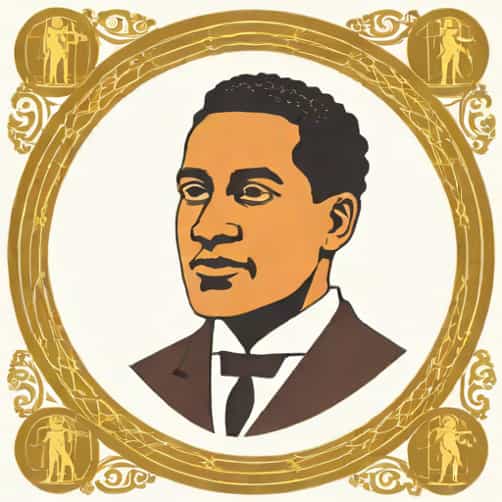
Crispus Attucks is a figure whose name resonates deeply in the history of American freedom and the struggle against oppression. Known primarily as the first person killed in the Boston Massacre of 1770, Attucks holds a symbolic place in the narrative of the American Revolution. His life and death exemplify the fight for liberty and the contributions of African Americans to the foundation of the United States. Understanding the significance of Crispus Attucks not only sheds light on his personal story but also highlights broader themes of resistance, racial history, and the enduring quest for justice and equality.
Early Life and Background of Crispus Attucks
Little is definitively known about Crispus Attucks’ early life, but historians believe he was born around 1723 in Framingham, Massachusetts. Attucks was of mixed African and Native American descent, reflecting the complex cultural and racial dynamics of colonial America. He spent much of his life as a sailor and dockworker in Boston, a hub of commerce and political unrest. His work brought him into contact with both the challenges of labor and the growing discontent with British colonial rule, setting the stage for his involvement in one of the defining events of early American history.
Attucks’ Role in Colonial Boston
As a laborer and sailor, Crispus Attucks experienced firsthand the inequalities and hardships faced by free Black individuals and other marginalized communities in colonial Boston. He was known to be outspoken and courageous, traits that would later define his place in American history. Attucks’ presence in the heart of Boston meant he was immersed in the political tensions and protests against British policies, including taxation without representation, which ultimately culminated in violent confrontations.
The Boston Massacre and Crispus Attucks
The Boston Massacre, which occurred on March 5, 1770, was a pivotal event in the lead-up to the American Revolution. British soldiers, stationed in Boston to enforce unpopular laws, faced growing hostility from the colonists. Tensions escalated outside the Custom House when a crowd confronted soldiers, throwing objects and verbally taunting them. During this confrontation, shots were fired, resulting in the deaths of five men, including Crispus Attucks, who is widely recognized as the first casualty.
Attucks as the First Casualty
Crispus Attucks’ death during the Boston Massacre transformed him into a symbol of resistance and courage. As the first person killed, he represented the sacrifices made by ordinary individuals in the pursuit of liberty. Contemporary accounts describe him as at the forefront of the crowd, demonstrating both leadership and bravery. His death underscored the escalating conflict between colonial subjects and British authorities and highlighted the willingness of individuals to risk everything for principles of freedom and justice.
Symbolism and Historical Significance
The significance of Crispus Attucks extends beyond his role in the Boston Massacre; he has become a powerful symbol in American history. Attucks embodies themes of resistance against oppression, the contributions of African Americans to the nation’s founding, and the broader struggle for civil rights. By recognizing his courage, historians and educators emphasize the often-overlooked participation of Black individuals in the fight for American independence.
Representation of African American Contribution
Crispus Attucks serves as a reminder that African Americans played vital roles in shaping early American history. While their contributions were often marginalized or ignored in mainstream narratives, Attucks’ story highlights the active involvement of Black men and women in the struggle for independence. His courage challenges simplistic understandings of the Revolution and encourages a more inclusive perspective that acknowledges the diversity of those who fought for liberty.
Legacy in the Abolitionist Movement
Attucks’ legacy extends into the 19th century, where abolitionists celebrated him as an early martyr in the fight against oppression. Figures such as Frederick Douglass and other leaders of the anti-slavery movement cited Attucks as an example of bravery and commitment to justice. His story was used to inspire African Americans to continue resisting systemic injustice and to participate actively in the social and political movements of their time.
Commemoration and Memorials
Over the centuries, Crispus Attucks has been commemorated through various memorials, educational initiatives, and public recognition. Monuments in Boston honor his sacrifice and serve as a reminder of his role in American history. Schools, streets, and institutions have been named after him, ensuring that his legacy is remembered and celebrated by future generations. These commemorations highlight the enduring relevance of his story and its ability to inspire reflection on freedom, courage, and equality.
Influence on Cultural and Civic Identity
Attucks’ story has influenced not only historical scholarship but also cultural identity, particularly within African American communities. Celebrating Attucks emphasizes the historical presence and agency of Black Americans in shaping national events. Civic commemorations and educational programs provide opportunities for communities to engage with history critically, fostering understanding and appreciation for the sacrifices made in pursuit of liberty.
Lessons from Crispus Attucks’ Life
The significance of Crispus Attucks extends beyond historical recognition; it offers enduring lessons for contemporary society. His courage in the face of oppression serves as a model for civic engagement, moral conviction, and the importance of standing up for one’s beliefs. Attucks’ story encourages reflection on issues of justice, equality, and the responsibilities of citizenship, reminding individuals of the potential impact of personal actions in shaping broader social outcomes.
Inspiration for Modern Movements
Modern civil rights and social justice movements often draw inspiration from figures like Crispus Attucks. His willingness to confront authority and sacrifice for principles of liberty resonates with activists today who seek to address systemic inequalities. Attucks’ legacy underscores the idea that meaningful social change often requires courage, persistence, and a commitment to justice.
Crispus Attucks holds a unique and enduring place in American history. As the first person killed in the Boston Massacre, he became a symbol of resistance, courage, and the contributions of African Americans to the nation’s founding. His story highlights the importance of acknowledging diverse participants in historical events and serves as a reminder of the ongoing struggle for equality and justice. Commemorating Attucks through monuments, education, and public memory ensures that his legacy continues to inspire and inform future generations.
Ultimately, the significance of Crispus Attucks lies not only in his death but also in the broader message it conveys about bravery, sacrifice, and the fight for liberty. By understanding and honoring his contributions, we gain insight into the complexities of American history and the vital role played by individuals who dared to stand against oppression. Attucks’ life and legacy continue to resonate as a powerful testament to the human spirit and the enduring pursuit of justice.