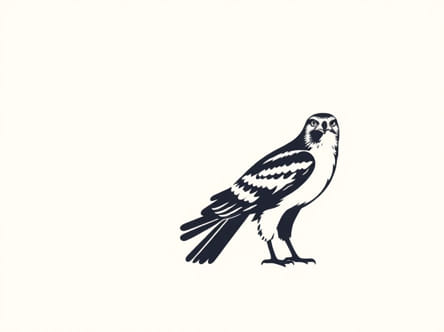
The sharp-shinned hawk is one of the smallest and most agile birds of prey found across North America. Its compact body, fast flight, and hunting precision make it a fascinating subject for bird watchers and ornithologists alike. Among its many striking physical features, the legs of the sharp-shinned hawk stand out for their slenderness and surprising strength. These legs play a vital role in the hawk’s hunting strategy and overall survival. Learning more about the sharp-shinned hawk’s legs offers a deeper appreciation of this raptor’s design and behavior in the wild.
Physical Characteristics of Sharp-Shinned Hawk Legs
The legs of the sharp-shinned hawk are thin, long, and yellow in color, giving the bird a distinct profile when perched or grasping prey. Despite their delicate appearance, these legs are incredibly strong and flexible, allowing the hawk to catch and handle struggling prey with impressive control.
Slender Yet Powerful Structure
Sharp-shinned hawks have evolved to rely heavily on speed and stealth. Their legs reflect this specialization in a few ways:
- Long and narrow tarsus (the part of the leg above the toes)
- Strong tendons that grip and hold prey tightly
- Sharp talons used for puncturing and immobilizing birds mid-air
These adaptations help the hawk snatch small birds out of the air with exceptional precision. Their legs act like spring-loaded clamps that seize prey in an instant, preventing escape.
Function in Hunting and Feeding
The primary role of the sharp-shinned hawk’s legs is in capturing and securing prey. This bird typically feeds on small songbirds, including sparrows, finches, and warblers. Since its prey is often agile and fast, the hawk must strike with perfect timing.
Grasping in Mid-Flight
Unlike some raptors that dive from high above, the sharp-shinned hawk hunts through surprise attacks, darting between trees and shrubs to catch birds off guard. When it nears its target, the hawk extends its legs forward with talons open, ready to grab the prey mid-air or on the ground. Its legs absorb the impact of the strike while maintaining a firm grip.
Subduing Prey
Once the prey is captured, the hawk uses its talons and legs to pin it down. The legs keep the prey immobilized while the hawk delivers a fatal bite or waits for the prey to stop struggling. Their strength ensures that even if the prey fights back, it has little chance of escape.
Adaptations for Maneuverability
The sharp-shinned hawk’s legs aren’t just tools for attack they’re also crucial for navigating its environment. Because this hawk often hunts in dense woodlands, it must weave through branches with great dexterity. Its legs help it to land on small perches, balance on unstable surfaces, and take off quickly when spotting a potential meal.
Benefits of Lightweight Limbs
The thin, light structure of the legs allows for minimal drag during flight. This contributes to the hawk’s incredible agility:
- Quick directional changes in dense forest canopies
- Silent landings to avoid startling prey
- Balance when gripping narrow branches
This combination of lightness and strength is key to the sharp-shinned hawk’s reputation as a fierce, nimble predator.
Comparison With Other Raptors
Compared to larger raptors like the Cooper’s hawk or red-tailed hawk, the sharp-shinned hawk has noticeably more slender legs. While it may lack the sheer crushing power of its bigger relatives, it more than makes up for this with speed and precision.
Cooper’s Hawk vs. Sharp-Shinned Hawk Legs
- Cooper’s Hawk: Thicker legs, better suited for larger prey and powerful impacts
- Sharp-Shinned Hawk: Thinner legs, optimized for agility and quick grasping of small birds
This difference in leg structure reflects their differing hunting styles. Cooper’s hawks often go for larger prey, while sharp-shinned hawks excel in swift ambushes of smaller birds.
Molting and Leg Maintenance
Like other birds of prey, the sharp-shinned hawk periodically molts its feathers, but its legs also require upkeep. Regular preening includes attention to the feet and legs, which helps the hawk remove dirt and prevent infections from prey remains.
Leg Health in the Wild
Injuries to the legs can be fatal, as they directly affect the hawk’s ability to hunt and defend itself. Birds with leg deformities or infections are often observed to have reduced hunting success and may become more vulnerable to starvation or predation.
Behavioral Observations
Sharp-shinned hawks often perch with one leg tucked up against their body to retain warmth, especially during colder months. This behavior is normal and does not indicate injury. When they do use both legs, it’s usually for grasping branches, adjusting prey, or taking off into flight.
Signs of a Healthy Raptor
Bird watchers often use the condition of a bird’s legs to assess health. A healthy sharp-shinned hawk will have:
- Clean, uninjured legs and feet
- Strong grip strength visible while perching or feeding
- Balanced posture with coordinated leg movement
Leg Use in Mating and Nesting
While not as prominently displayed as in hunting, the hawk’s legs also contribute to other life functions. During courtship, the male may bring food to the female, using his legs to carry and present the offering. In nesting, both males and females use their legs and feet to arrange nest materials, incubate eggs, and handle hatchlings.
Nesting Behaviors
- Using legs to tuck eggs under the body for warmth
- Feeding chicks by tearing prey and offering bits with the beak, aided by foot grip
- Removing waste or debris using talons
This multi-purpose use of the legs shows how vital they are not only to the hawk’s predatory life but also to its role as a parent.
The legs of the sharp-shinned hawk, though slender and seemingly fragile, are marvels of avian evolution. They allow for fast, precise, and deadly strikes, while also supporting agile movement, nesting, and balance. From gripping prey in mid-air to softly perching in the forest canopy, these limbs are a crucial part of what makes the sharp-shinned hawk such a skilled and adaptable raptor. Appreciating the detailed function and design of these legs helps us understand the complexity and beauty of nature’s aerial hunters.