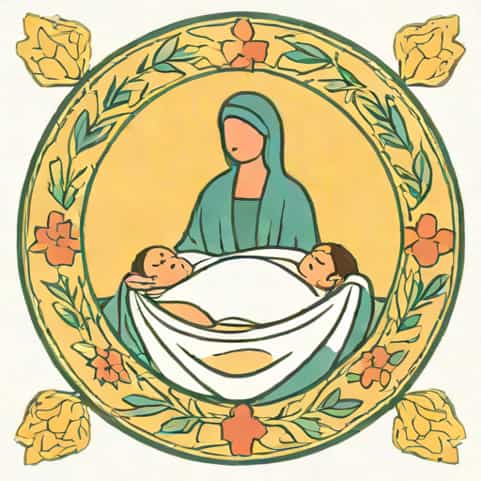
Childbirth has long been recognized as one of the most profound experiences in human life, yet in modern society it is often medicalized and framed purely as a clinical procedure. Many women report feeling disconnected from the transformative and spiritual aspects of giving birth, as hospitals and medical protocols emphasize efficiency, safety, and risk management over personal empowerment and ritual. Reclaiming childbirth as a rite of passage invites a shift in perspective, one that acknowledges the physical, emotional, and cultural significance of birth. It emphasizes the deep transition into motherhood as a transformative journey, rather than a routine medical event, restoring its place as a meaningful life milestone.
The Historical Perspective on Childbirth
Historically, childbirth has been treated as a critical moment of social, spiritual, and familial importance. In many cultures, giving birth was surrounded by rituals, ceremonies, and communal support. Midwives, elders, and extended family often played central roles in guiding and supporting birthing women. These traditions honored the strength, courage, and resilience required to bring new life into the world. By contrast, contemporary approaches often prioritize medical safety at the expense of the personal and symbolic aspects of birth, resulting in a sense of loss or detachment from the experience.
Medicalization and Its Impacts
The medicalization of childbirth has undeniably brought benefits, including reduced maternal mortality and access to life-saving interventions. However, it has also contributed to a culture in which childbirth is often perceived as a problem to be managed rather than a natural rite of passage. Women may feel passive in the birthing process, with decisions made on their behalf by medical professionals. This shift has sometimes diminished the sense of empowerment and personal transformation that historically accompanied birth.
Childbirth as a Rite of Passage
Reclaiming childbirth as a rite of passage means recognizing it as a transformative event that marks a profound transition in identity, responsibility, and social status. Like traditional rites of passage in various cultures, childbirth can serve as a bridge between life stages, in this case from womanhood to motherhood. This perspective highlights the emotional and spiritual dimensions of birth, including courage, resilience, and the deep bond between mother and child.
Elements of a Rites-of-Passage Approach
- PreparationRituals or practices that prepare women mentally, emotionally, and physically for birth can enhance the sense of transition and empowerment.
- Support SystemsInvolving family, community, or trained birth companions creates a sense of shared experience and belonging.
- RecognitionAcknowledging the transition through ceremonies, symbolic acts, or celebrations reinforces the significance of the birth process.
- ReflectionEncouraging women to reflect on the journey, challenges, and personal growth associated with childbirth strengthens its role as a rite of passage.
Modern Practices for Reclaiming Birth
Many contemporary practices seek to restore childbirth as a meaningful and transformative experience. These include home births, birth centers, water births, and midwifery-led care, which often allow for greater autonomy, personalized attention, and ritualized elements. Integrating cultural or spiritual practices into birth, such as meditation, music, or ceremonies, also emphasizes the symbolic and transformative aspects of the process. These approaches prioritize the woman’s agency, emotional well-being, and the ceremonial nature of welcoming a new life into the world.
Role of Midwives and Doulas
Midwives and doulas play a crucial role in helping women reclaim childbirth as a rite of passage. Beyond medical support, they provide emotional guidance, advocacy, and continuity of care. Their presence allows birthing individuals to feel empowered, respected, and connected to the experience, rather than being passive recipients of care. Midwives and doulas often integrate traditional knowledge, rituals, and personalized practices that honor childbirth as a transformative journey.
Cultural Dimensions of Birth
Childbirth rituals vary widely across cultures, highlighting the social and symbolic importance of birth. In some societies, special ceremonies mark the arrival of a new child, recognizing the mother’s endurance and the new family member’s entry into the community. By reclaiming these cultural aspects, modern birthing practices can reinforce a sense of continuity, belonging, and communal support. Recognizing the cultural dimensions of birth also allows families to create meaningful rituals that honor both tradition and personal values.
Psychological and Emotional Benefits
Viewing childbirth as a rite of passage has important psychological benefits. Women who feel empowered and recognized in their birthing experience often report higher satisfaction, greater confidence, and stronger bonds with their infants. Rituals, preparation, and communal support reduce stress and anxiety, fostering a sense of accomplishment and resilience. These benefits extend beyond birth, influencing maternal mental health and family dynamics in the postpartum period.
Challenges in Reclaiming Birth
Despite the growing interest in reclaiming childbirth as a rite of passage, challenges remain. Medical institutions may resist non-traditional practices due to liability concerns or standardized protocols. Cultural and societal expectations can also influence perceptions of birth, particularly in communities where efficiency and safety are prioritized over ritual and personal empowerment. Additionally, not all women have access to alternative birthing options or supportive networks, making it difficult to fully integrate ritualized or transformative practices into childbirth.
Strategies for Overcoming Barriers
- Education and advocacy for alternative birthing practices that prioritize empowerment and agency.
- Incorporation of personal or cultural rituals within hospital or birth center settings where feasible.
- Support networks, including doulas, midwives, and community groups, to provide guidance and emotional support.
- Encouraging shared decision-making between medical professionals and birthing individuals to balance safety with personal agency.
Reclaiming childbirth as a rite of passage restores the transformative and symbolic power of bringing new life into the world. It challenges modern perceptions that reduce birth to a clinical procedure and emphasizes the emotional, spiritual, and cultural dimensions of the experience. By integrating rituals, community support, and personalized care, childbirth can become a profound milestone that marks a transition into motherhood, celebrates resilience, and strengthens the bonds between mother, child, and community. Embracing childbirth as a rite of passage encourages empowerment, personal growth, and a deeper appreciation for one of life’s most fundamental and transformative experiences.