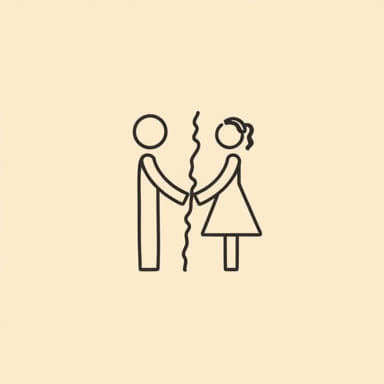
When a marriage reaches a point where reconciliation is no longer possible, the law often recognizes it as ‘irretrievably broken.’ This term is widely used in divorce proceedings, especially in no-fault divorce jurisdictions, to signify that the relationship cannot be repaired. Understanding what causes a marriage to break down irretrievably is essential for both legal clarity and personal awareness. Various emotional, behavioral, and circumstantial factors contribute to the breakdown of a once-functioning marital relationship. Below are the most commonly acknowledged reasons a marriage becomes irretrievably broken, explained in practical and accessible language.
Understanding the Concept of Irretrievable Breakdown
In legal terms, when a marriage is declared irretrievably broken, it means there is no chance of reconciliation or restoration. Courts often do not require detailed proof of wrongdoing; it is enough for one or both parties to state that the marriage is beyond repair. However, identifying the underlying reasons behind this conclusion helps give context to the emotional and practical fallout that follows.
1. Constant and Unresolved Conflict
One of the leading causes of an irretrievable breakdown is persistent conflict. When couples argue continuously without reaching solutions, the relationship becomes toxic. Constant fighting over finances, parenting styles, or personal habits erodes trust and affection. Over time, these unresolved disputes lead to emotional detachment and a decision to separate permanently.
- Repeated arguments over trivial matters
- Lack of effective communication
- Verbal abuse or escalating anger
2. Infidelity and Loss of Trust
Adultery is a major factor that causes marriages to break down beyond repair. The betrayal of trust involved in an extramarital affair creates emotional pain that is often too deep to overcome. Even if forgiveness is attempted, many couples struggle to rebuild the broken foundation of their relationship.
Trust is a core component of marriage, and when it is shattered, the emotional damage is often irreversible. In many cases, the betrayed partner may experience anxiety, depression, or low self-esteem, further contributing to the breakdown.
3. Emotional or Physical Abuse
No marriage can thrive in an environment of abuse. Whether it is emotional manipulation, psychological torment, or physical violence, abuse destroys the sense of safety and respect that is vital for a healthy union. Victims of abuse often feel isolated, fearful, and powerless.
Leaving an abusive relationship is often the only option for survivors, and in such cases, the irretrievable nature of the marriage is not only valid but necessary for personal safety and healing.
4. Addiction or Substance Abuse
Drug and alcohol addiction can cause immense strain in a marriage. Partners of addicts often deal with financial instability, legal problems, and emotional trauma. The unpredictability of addiction undermines the trust and reliability that a marriage requires.
Even with treatment attempts, addiction may cause long-term damage if the addicted partner does not commit to recovery. When substance abuse takes over, the marriage may deteriorate beyond saving.
5. Growing Apart Over Time
As people age and evolve, their interests, goals, and values may change. In some cases, spouses find that they no longer connect or share the same vision for the future. This slow drifting apart can lead to emotional distance and feelings of loneliness within the relationship.
When two people no longer share common interests or emotional intimacy, the relationship may cease to be fulfilling. Over time, this disconnection can make it clear that the marriage is irretrievably broken.
6. Financial Stress and Disagreements
Money issues are a common trigger for marital breakdowns. Disagreements about spending, saving, or debt management often create tension and mistrust. In severe cases, financial dishonesty such as hidden accounts or gambling debts can severely damage the relationship.
Financial stress also leads to anxiety and conflict, which can erode the emotional closeness between partners. Without a shared approach to financial responsibility, the marriage can unravel.
7. Lack of Intimacy or Affection
Intimacy is not just about physical connection it also involves emotional closeness, support, and affection. When partners stop expressing love, touching, or even talking meaningfully, the relationship may feel more like a business partnership than a marriage.
The absence of intimacy creates a void that may lead to resentment or a feeling of rejection. When intimacy cannot be rekindled despite efforts, the marriage may be deemed irretrievably broken.
8. Differences in Parenting Styles
Raising children can either bring couples closer together or highlight deep differences in values and priorities. Conflicting ideas about discipline, education, and parenting responsibilities often lead to tension and disputes.
When parenting disagreements become chronic and divisive, they can damage not only the marriage but also the overall family environment. A breakdown in co-parenting can accelerate the decision to end the marriage.
Legal Implications of an Irretrievably Broken Marriage
In many jurisdictions, declaring a marriage as irretrievably broken is a sufficient legal ground for divorce. Courts typically do not require evidence of fault, especially in no-fault divorce states. However, the term may still be scrutinized if there are disputes over custody, alimony, or asset division.
Understanding the root causes of marital breakdown can help during legal proceedings, especially when making a case for spousal support or child custody arrangements. Judges may take into account whether abuse, addiction, or neglect played a role in the breakdown.
Emotional and Psychological Effects
The end of a marriage declared irretrievably broken can have lasting emotional consequences for both spouses. Feelings of guilt, grief, and failure are common. In some cases, therapy or counseling may be helpful to process the loss and rebuild personal well-being.
Children can also be affected, particularly if they witness frequent conflict or feel caught between parents. Explaining the concept of an irretrievable breakdown to children in age-appropriate language can help them understand the changes in the family structure.
A marriage becomes irretrievably broken for many reasons, ranging from betrayal and abuse to slow emotional drifting. Understanding these causes can provide insight and clarity for those navigating the painful process of divorce. While the legal system offers a framework for ending the marriage, the emotional healing process takes time and self-compassion. Recognizing the signs early and seeking support whether through counseling, legal advice, or community resources can help individuals move forward toward a healthier future.