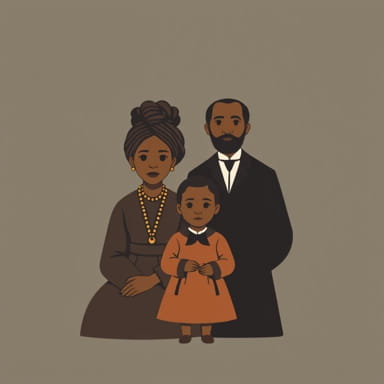
Harriet Tubman, known worldwide as a fearless abolitionist and a key conductor on the Underground Railroad, was not only a historical icon but also a daughter, sister, wife, and mother. Her family played a significant role in her life’s journey, both as victims of slavery and as sources of strength. The real Harriet Tubman family offers a glimpse into the harsh realities of enslaved African Americans in the 19th century, and understanding her family background provides a more human and personal portrait of this remarkable woman.
Early Life and Family Background
Harriet Tubman was born Araminta Ross around 1822 in Dorchester County, Maryland. Her parents, Harriet Rit Green and Ben Ross, were both enslaved. Harriet was one of nine children. The Ross family lived under the constant threat of separation, as slaveholders frequently sold children and adults alike without warning or consent. Harriet’s deep connection to her family would remain with her throughout her life, fueling her later missions to rescue them.
Parents: Harriet Rit Green and Ben Ross
Harriet Tubman’s mother, Rit, was owned by the Brodess family, while her father, Ben, worked on a nearby plantation owned by Anthony Thompson. Despite being owned by different families, Ben and Rit maintained a strong bond. Ben was later freed when his owner’s will stipulated his emancipation at age 45, a rare occurrence. Rit, however, remained enslaved, and their children inherited her status. Harriet witnessed firsthand the injustice of her mother’s struggle to keep the family intact.
The Siblings of Harriet Tubman
Harriet Tubman had eight siblings:
- Linah
- Marien
- Sophy
- Robert
- Ben
- Rachel
- Henry
- Moses (believed to be Harriet’s original name before she adopted Harriet)
Several of her siblings were sold off at young ages, a trauma that left an indelible mark on Harriet. One of the most painful memories involved the sale of her sister Linah, who was separated from the family forever. These events strengthened Harriet’s resolve to fight against slavery and one day bring her family to freedom.
Harriet’s Marriage to John Tubman
In 1844, Harriet married a free Black man named John Tubman. Although she was still enslaved at the time, their marriage was legally recognized. However, the relationship was strained. When Harriet began planning her escape to freedom in 1849, John refused to join her. Despite this, Harriet went on her own, determined to live free or die trying.
Later, when she returned to Maryland to rescue others, Harriet hoped to bring John with her. She was devastated to learn he had remarried and had no interest in joining her. This emotional setback did not stop her; instead, it motivated her to focus more deeply on rescuing her blood relatives and others trapped in bondage.
Rescuing Her Family
After escaping slavery, Harriet Tubman made at least 13 missions back to the South, helping over 70 enslaved people to freedom, many of them family members. She rescued her brothers Ben, Henry, and Robert in 1854. They had initially attempted to escape with her in 1849 but turned back. Years later, when she successfully led them to safety, it marked one of her proudest accomplishments.
The Tragedy of Rachel
Harriet’s sister Rachel was another of her siblings she tried to rescue. Tragically, Harriet was unable to save Rachel in time. Rachel died before Tubman could reach her, leaving behind two children. Harriet attempted to adopt them, but complications with the legal system and lack of money prevented her from doing so. This failure haunted Harriet and reminded her of the limited reach even the bravest individuals had in a deeply unjust society.
Adoption and Later Family Life
Years after the Civil War, Harriet Tubman married again, this time to Nelson Davis, a Union Army veteran. Together, they adopted a daughter named Gertie. Gertie was the only child Tubman raised in freedom. Harriet found joy and solace in motherhood, and her home in Auburn, New York became a refuge for many, including extended family, freed slaves, and poor elderly people.
Harriet’s compassion extended beyond blood ties. She opened her doors to all in need, and her household often resembled a large, communal family. The way she created and nurtured chosen family in her later years speaks to her deeply rooted values of care, kinship, and justice.
Legacy of the Tubman Family
The legacy of Harriet Tubman’s family extends far beyond the individuals she saved. Her family’s story exemplifies the strength and resilience of enslaved families who resisted the system designed to dehumanize them. Their bond defied laws, property claims, and systemic cruelty.
Modern descendants of Harriet Tubman and her siblings continue to honor her legacy. Some have participated in documentaries, educational events, and historical commemorations. The family’s continued presence is a living testimony to the enduring impact of Tubman’s life and mission.
Understanding the real Harriet Tubman family deepens our appreciation for her heroism. Her acts of courage were not born solely from ideology but from love love for her parents, her siblings, and all those who were enslaved. Harriet’s fight was personal, rooted in her determination to heal the wounds inflicted upon her family. In every journey she made, whether successful or not, Tubman was driven by the memory of those she loved and lost. Her story is not just one of escape and rebellion it is also a story of family, reunion, and undying hope.