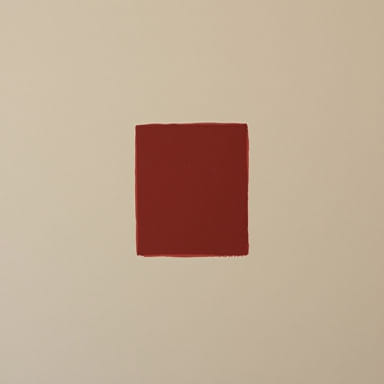
Mark Rothko is one of the most influential artists of the 20th century, known for his large-scale abstract paintings that evoke deep emotional responses. His work is often associated with the Abstract Expressionist movement, although Rothko himself rejected this label. With a career that spanned decades, Rothko’s unique artistic voice evolved from figurative and surrealist forms to his famous multiforms and color field paintings. His art is not simply about color and form it is about emotion, existence, and the human spirit.
Early Life and Immigration
From Latvia to the United States
Mark Rothko was born Marcus Rothkowitz on September 25, 1903, in Dvinsk, Latvia, then part of the Russian Empire. His family was Jewish, and during that time, anti-Semitic persecution was common. In 1913, Rothko and his family emigrated to the United States, settling in Portland, Oregon. The move marked a significant shift in his life, offering new opportunities and exposure to Western education and culture.
In Portland, Rothko quickly learned English and excelled in school. He later attended Yale University on a scholarship, although he did not graduate. Instead, he moved to New York City in the 1920s, where he began to explore his interest in art more seriously. His early education and immigrant background had a profound impact on his intellectual and emotional development, which would later be reflected in his artwork.
The Path Toward Modern Art
Early Artistic Influences
Rothko’s early work included figurative and expressionist styles. He studied under artist Max Weber and was influenced by both European modernism and American realism. During the 1930s and 1940s, Rothko experimented with mythological themes, surrealist imagery, and symbolism. These periods reflect his search for a personal style that could express universal human concerns.
He also became deeply interested in philosophy, particularly the works of Friedrich Nietzsche and Carl Jung. These ideas played a key role in shaping his understanding of art as a spiritual and psychological experience. Rothko believed that painting should address the fundamental truths of human existence, including mortality, tragedy, and ecstasy.
The Birth of Color Field Painting
Developing His Signature Style
By the late 1940s, Rothko began developing the style that would define his legacy large canvases with soft-edged rectangular blocks of color, often floating above one another. These works became known as multiforms. Eventually, the shapes became simpler and the focus shifted to the interaction of color itself. This approach evolved into what is now recognized as color field painting, a movement where color becomes the primary subject of the work.
Unlike many of his Abstract Expressionist peers, Rothko was not interested in physical action or gesture. Instead, he wanted his paintings to create an emotional environment. He carefully controlled the scale, color, and lighting of his work, often insisting that pieces be displayed in specific ways to enhance the viewer’s emotional experience.
Emotional Impact and Viewer Experience
Rothko’s goal was not just to be seen but to be felt. He once said, I’m not interested in the relationship of color or form or anything else. I’m interested only in expressing basic human emotions tragedy, ecstasy, doom, and so on. His paintings were designed to evoke introspection and deep personal reflection. Visitors to Rothko’s exhibitions often report feeling overwhelmed, tearful, or spiritually moved, even when faced with seemingly simple compositions.
Major Works and Public Commissions
The Rothko Chapel
One of Rothko’s most significant contributions was the Rothko Chapel in Houston, Texas. Commissioned in the late 1960s, the chapel contains 14 of his paintings and serves as a space for spiritual meditation and interfaith dialogue. The works are darker in tone, dominated by deep purples and blacks, reflecting the somber, contemplative atmosphere of the space.
This project represented Rothko’s vision of art as a sacred experience. He was heavily involved in every aspect of the chapel’s design, from the architecture to the placement of each painting. Today, the Rothko Chapel remains a powerful example of how visual art can serve a deeper existential purpose.
The Seagram Murals
Another important commission was for the Four Seasons Restaurant in the Seagram Building in New York City. Rothko initially accepted the project but ultimately withdrew, feeling that a luxury dining space was inappropriate for the spiritual intensity of his work. He kept the paintings, many of which now reside in museums such as the Tate Modern in London. These murals are known for their brooding atmosphere and dark red and black tones.
Personal Struggles and Philosophy
The Darker Years
As Rothko gained fame, he also faced personal struggles. He was known to be a deeply introspective and sensitive individual, and his later years were marked by increasing depression and health problems. His work also became darker, both in color and in emotional tone. These changes reflected his growing concerns about mortality, purpose, and the commercialization of art.
Rothko believed that true art must remain free from market influence. He was often conflicted about his success and worried that his work was being misunderstood or reduced to decoration. This tension between artistic integrity and public reception weighed heavily on him.
Death and Legacy
Mark Rothko died by suicide on February 25, 1970, at the age of 66. His death shocked the art world and underscored the depth of emotion present in his work. In the years following his death, Rothko’s reputation continued to grow, and his paintings became some of the most valuable and respected in modern art history.
Today, his legacy is preserved through numerous exhibitions, publications, and the ongoing work of the Rothko Foundation. His art continues to inspire artists, scholars, and viewers around the world, reminding us that abstract painting can be as emotionally profound as any other form of artistic expression.
Why Mark Rothko Still Matters
Timeless Relevance
Mark Rothko’s paintings are more than just color on canvas they are emotional landscapes. They invite viewers to pause, reflect, and connect with something beyond the material world. In a fast-paced, visually saturated society, Rothko’s work provides a rare space for stillness and introspection.
Influence on Contemporary Art
Rothko’s influence extends far beyond his lifetime. Artists today continue to explore themes of color, emotion, and spiritual meaning in ways that reflect his pioneering contributions. Museums around the world proudly display his works, and collectors regard his paintings as masterpieces of modern art.
Through his vision, Rothko redefined what painting could be. He challenged the boundaries of abstraction and created a new visual language rooted in human experience. For anyone seeking to understand the depth and potential of modern art, learning about who Mark Rothko was remains essential.