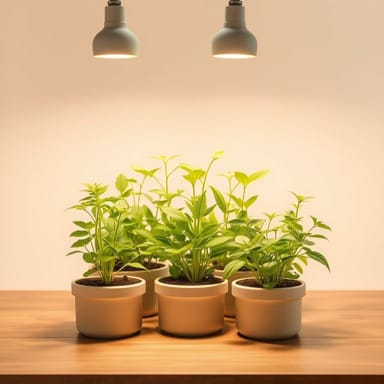
Hydroponics is a modern method of growing plants without soil, using nutrient-rich water to deliver essential minerals directly to plant roots. This technique has gained popularity for its efficient use of space and water, along with faster growth rates and fewer soil-borne diseases. However, despite its many advantages, hydroponics also comes with certain challenges and drawbacks. Understanding the disadvantages of using hydroponics is essential for farmers, home gardeners, and agribusinesses considering this method of cultivation. In this topic, we will explore the potential downsides and answer the key question: which of the following is a disadvantage of using hydroponics?
Initial Setup Cost
High Investment Requirements
One of the most significant disadvantages of hydroponics is the high initial cost of setting up the system. Unlike traditional soil farming, hydroponic systems require specialized equipment such as:
- Grow trays or beds
- Pumps and reservoirs
- Lighting systems (for indoor setups)
- Timers and sensors
- Nutrient delivery systems
The expense involved in purchasing and assembling these components can be prohibitive, especially for beginners or small-scale growers. In comparison, traditional farming often requires less financial investment upfront, particularly in regions with fertile soil.
Technical Knowledge and Monitoring
Complex Management
Hydroponic systems demand constant monitoring and a deeper understanding of plant nutrition, water chemistry, and environmental control. Operators must regularly check and adjust the following:
- pH levels
- Electrical conductivity (EC)
- Water temperature
- Nutrient concentrations
- Light exposure
Errors in managing any of these variables can lead to nutrient deficiencies, root diseases, or reduced yields. Unlike traditional farming, where plants can often tolerate a wider range of conditions, hydroponic plants rely entirely on the precision of the system for survival and growth.
Risk of System Failures
Dependency on Technology
Another disadvantage of hydroponics is its heavy reliance on electrical and mechanical systems. If a pump fails, a timer malfunctions, or there’s a power outage, the plants can suffer damage very quickly. For example, roots exposed to dry air due to a failed water pump can dry out within hours, especially in hot environments.
In soil-based systems, plants have more resilience against temporary issues. But in hydroponics, even short disruptions can lead to significant crop loss, especially if backup systems are not in place.
Disease and Water Contamination
Faster Spread of Pathogens
Hydroponic systems recirculate water, which can lead to rapid spreading of diseases and pests. If one plant becomes infected with a root disease such as Pythium (root rot), the entire system may be at risk since all plants share the same water source. This is especially problematic in densely packed systems.
Maintaining strict hygiene, using sterilized equipment, and monitoring for early signs of disease are necessary to reduce these risks. However, the increased vulnerability to systemic infection remains a disadvantage compared to traditional field farming where disease may spread more slowly.
Limited Crop Variety
Not Suitable for All Plants
While many leafy greens, herbs, and some fruits thrive in hydroponic systems, not all crops are well-suited for this method. Plants with deep roots or those that require extensive space, such as corn, potatoes, or certain fruit trees, may not perform well or may need more complex systems that are costly and difficult to manage.
This limitation reduces the flexibility of hydroponics for growers who want to cultivate a wide variety of crops. Traditional soil farming still offers greater diversity in terms of what can be grown on a single piece of land.
Energy Consumption
Electricity Requirements
Hydroponic farms, especially those indoors, require consistent electricity to power lights, pumps, fans, and other essential systems. In regions where power is expensive or unreliable, this can increase operating costs significantly.
Indoor hydroponics also depend on artificial lighting to replace sunlight, often using high-intensity LEDs or fluorescent lamps. This constant energy demand makes the system less eco-friendly unless renewable energy sources are used, which may add to the initial investment.
Water and Nutrient Management
Risk of Nutrient Imbalance
Though hydroponics is often celebrated for using less water overall, improper management can lead to waste and inefficiencies. Nutrient solutions must be carefully mixed and balanced to provide all necessary minerals for plant growth. Mistakes in formulation can result in nutrient lockout or toxicity.
Furthermore, disposing of used nutrient solutions can raise environmental concerns if not handled correctly. Unlike soil systems where nutrients are absorbed naturally, hydroponic waste requires proper treatment to prevent contamination of nearby water bodies.
Legal and Regulatory Barriers
Limited Recognition in Some Regions
In certain countries or regions, hydroponic farming may not be recognized or supported by local agricultural policies. This can create barriers when it comes to subsidies, certification, or market access. Additionally, regulations regarding water use, fertilizer handling, or building permits may not yet accommodate hydroponic systems, adding to the complexity of launching such operations.
Summary of Key Disadvantages
Main Drawbacks of Using Hydroponics
- High initial setup cost
- Requires technical knowledge and constant monitoring
- Vulnerable to system failures and power outages
- Faster spread of diseases due to shared water
- Not suitable for all types of crops
- High energy consumption, especially indoors
- Complex nutrient management and potential waste issues
- Legal and policy-related challenges in some regions
Considerations Before Adopting Hydroponics
While hydroponics offers innovative solutions to many of the challenges faced in conventional farming such as water scarcity, limited land, and urban space constraints it is not without its disadvantages. The need for technical expertise, high startup costs, and vulnerability to technical failure make it a complex choice for beginners or those with limited resources.
Ultimately, deciding whether hydroponics is suitable depends on the specific goals, resources, and environment of the grower. By carefully evaluating both the advantages and disadvantages, one can make informed decisions about implementing this technology effectively and sustainably. Understanding the drawbacks, such as those discussed in this topic, helps ensure a more realistic and successful approach to modern farming practices.