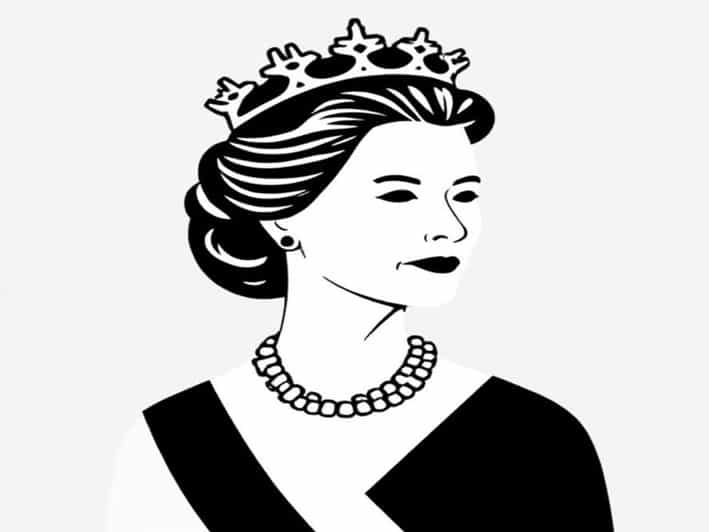
Queen Ingrid of Denmark, born Princess Ingrid of Sweden in 1910, remains one of the most admired figures in Scandinavian royal history. Her life was marked by dedication to her family, devotion to public service, and an enduring legacy of grace and compassion. As the wife of King Frederick IX of Denmark, she played a pivotal role in modernizing the Danish monarchy and connecting it with the Danish people. Beyond her royal duties, Queen Ingrid’s influence extended across cultural, social, and charitable spheres, leaving an indelible mark on Denmark and the wider Nordic region.
Early Life and Royal Heritage
Queen Ingrid was born into Swedish royalty, the daughter of King Gustaf VI Adolf of Sweden and Princess Margaret of Connaught. Her upbringing was steeped in royal tradition, emphasizing education, cultural refinement, and public responsibility. From a young age, Ingrid was exposed to the demands of royal life, learning the importance of diplomacy, social engagement, and personal decorum. Her early years in Sweden shaped her character, instilling values that would later guide her as Queen of Denmark.
Education and Preparation for Royal Duties
Ingrid received an extensive education typical for royal children of her era, including studies in languages, history, music, and etiquette. She was encouraged to understand international affairs and develop skills that would allow her to fulfill her role in the European royal network. These formative experiences prepared her for the complex responsibilities she would face as a future queen consort, where public expectations and personal life intersected in highly visible ways.
Marriage to King Frederick IX
In 1935, Ingrid married Crown Prince Frederick of Denmark, who would later become King Frederick IX. Their marriage symbolized a strong union between Denmark and Sweden, reinforcing ties between the two nations. The couple shared a deep personal bond, built on mutual respect and affection, which strengthened the Danish monarchy during a period of significant social and political change. Ingrid’s role as crown princess and later as queen consort involved ceremonial duties, engagement with the public, and support of her husband in state affairs.
Family Life and Children
Queen Ingrid and King Frederick IX had three daughters Margrethe, Benedikte, and Anne-Marie. Queen Ingrid’s parenting style was marked by warmth, discipline, and encouragement of independence. She played a central role in preparing her children for their public responsibilities, especially Margrethe, who would later become Queen Margrethe II of Denmark. Ingrid’s devotion to her family was widely admired, and her ability to balance motherhood with royal duties became a model for modern royal families.
Role as Queen of Denmark
Queen Ingrid ascended to the role of queen consort in 1947, following the death of her father-in-law, King Christian X. Her tenure coincided with a period of post-war recovery and modernization in Denmark. She embraced her role with dedication, actively participating in state functions, charitable work, and cultural initiatives. Ingrid was particularly noted for her efforts to connect the monarchy with the Danish people, making her a beloved figure in national life.
Public Engagement and Charity Work
Queen Ingrid was deeply involved in social and charitable causes. She supported organizations focused on health, education, and cultural preservation, advocating for initiatives that improved the welfare of Danish citizens. Her commitment to philanthropy extended beyond mere ceremonial involvement; she frequently engaged directly with beneficiaries, highlighting her genuine concern for social issues. Her work helped modernize the image of the Danish monarchy, portraying it as a caring and socially responsible institution.
Cultural Influence
In addition to her charitable work, Queen Ingrid played a significant role in promoting Danish culture and heritage. She was a patron of the arts, supporting museums, exhibitions, and performing arts organizations. Her presence at cultural events brought attention and prestige to Danish artists, fostering national pride and encouraging cultural engagement. Ingrid’s refined taste and understanding of Scandinavian traditions allowed her to champion initiatives that preserved Denmark’s rich artistic legacy while embracing contemporary innovation.
Challenges and Triumphs
Queen Ingrid’s life was not without challenges. She navigated complex political landscapes, changing social norms, and the evolving expectations of monarchy in the 20th century. Her ability to maintain dignity, adapt to change, and fulfill her duties contributed to the stability and respect of the Danish royal family. Ingrid’s triumph lay not only in fulfilling ceremonial roles but also in cultivating a sense of continuity and trust between the monarchy and the public.
Adaptation to Modern Monarchy
During her tenure, Queen Ingrid witnessed the modernization of European monarchies, where public scrutiny and media attention increased significantly. She embraced these changes by remaining approachable yet dignified, understanding the importance of connecting with ordinary citizens. Her adaptation to modern royal expectations helped maintain the relevance of the Danish monarchy in contemporary society and provided a blueprint for future generations of royals.
Legacy and Influence
Queen Ingrid’s legacy is multifaceted, reflecting her roles as a mother, queen consort, cultural patron, and social advocate. She is remembered for her elegance, intelligence, and commitment to public service. Her influence on her daughters, particularly Queen Margrethe II, ensured that the Danish monarchy remained strong and respected. Ingrid’s contributions to charitable causes and cultural institutions have left lasting impacts on Danish society, reinforcing her status as one of Denmark’s most beloved queens.
- Promoted strong cultural and artistic initiatives in Denmark.
- Advanced charitable causes related to health, education, and welfare.
- Maintained strong family bonds while fulfilling royal responsibilities.
- Modernized the public image of the Danish monarchy.
- Provided guidance and mentorship to the next generation of Danish royals.
Queen Ingrid in Historical Perspective
Historians and biographers often highlight Queen Ingrid’s unique ability to balance tradition with modernity. She upheld the ceremonial and symbolic aspects of monarchy while engaging with contemporary social issues. Her life exemplifies the evolving role of European queens in the 20th century, where influence extends beyond royal protocol into meaningful public service. Ingrid’s tenure demonstrates that monarchy can adapt to societal changes while preserving its historical and cultural significance.
Impact on Scandinavian Royal Relations
Queen Ingrid also strengthened relations within Scandinavian royal networks. Her Swedish heritage and Danish marriage symbolized unity between two major Nordic nations. She maintained close ties with other European royals, fostering diplomatic goodwill and cultural exchange. This broader network enhanced Denmark’s international stature and illustrated the subtle yet important role of royal figures in international relations.
Queen Ingrid of Denmark remains a revered figure whose life and work continue to inspire. Her dedication to family, public service, cultural patronage, and charitable causes demonstrates the enduring impact of a queen committed to her people and her responsibilities. By blending tradition with modern sensibilities, Queen Ingrid strengthened the Danish monarchy, leaving a legacy of grace, wisdom, and compassion. Her influence continues to resonate in Denmark and beyond, serving as a model of how royalty can engage meaningfully with society while maintaining dignity, elegance, and historical continuity.