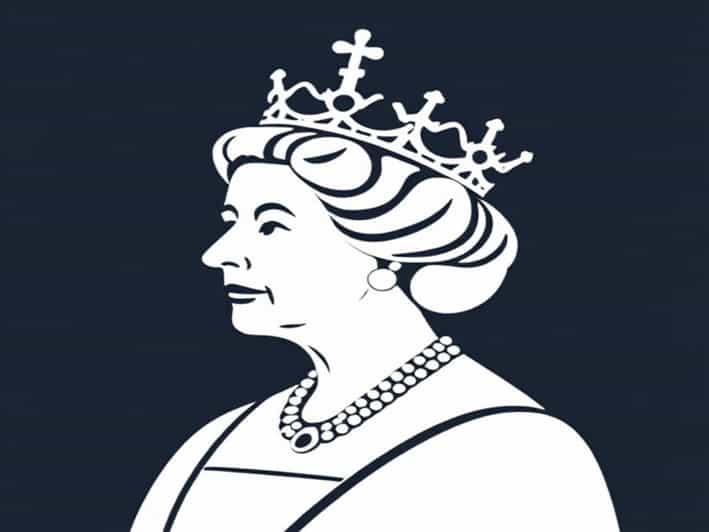
Queen Elizabeth I remains one of the most iconic rulers in history, celebrated for her intelligence, resilience, and strong political identity. Over time, people have given her several memorable nicknames that highlight different aspects of her personality and reign. These nicknames not only help us understand how her contemporaries viewed her, but they also reveal how she shaped her public image to maintain authority and inspire loyalty. Exploring each nickname offers a deeper appreciation of her leadership style and the legacy she left behind.
The Virgin Queen
One of the most famous nicknames associated with Queen Elizabeth I is The Virgin Queen. This title emphasized her choice not to marry and her dedication to ruling England independently. It also reinforced the idea that she placed her nation above personal relationships, which played a major role in her political strategy.
Why She Embraced This Nickname
Elizabeth understood the power of symbolism. By presenting herself as unmarried, she avoided political alliances that could weaken her rule. Marriage at the time often meant sharing power with a king or forging ties with foreign rulers, but she preferred autonomy.
- It strengthened her image as a devoted leader.
- It prevented foreign nations from influencing her policies.
- It helped create a myth-like aura around her reign.
The nickname helped Elizabeth maintain control in a male-dominated political environment. It became a central part of her identity and remains widely recognized today.
Gloriana
The nickname Gloriana comes from Edmund Spenser’s epic poem The Faerie Queene, where a magnificent queen represents glory and virtue. This literary figure was inspired by Elizabeth and was used to celebrate her rule as a golden era of cultural and political achievement.
The Symbolic Meaning Behind Gloriana
Gloriana represented the idealized vision of Elizabeth I a ruler of beauty, dignity, and strength. The nickname also highlighted the pride many English citizens felt during her reign, as the country saw significant growth in exploration, arts, and national identity.
- It connected her with themes of honor and royalty.
- It elevated her image beyond ordinary monarchy.
- It reinforced the cultural richness of the Elizabethan era.
The title Gloriana demonstrated how art and literature supported Elizabeth’s public image, helping her become a symbol of national pride.
Good Queen Bess
Another affectionate nickname for Elizabeth I is Good Queen Bess. This phrase reflects the positive relationship she had with many of her subjects. It portrayed her as a wise and kind ruler who cared deeply for the welfare of her people.
Why the Public Favored This Name
Elizabeth’s approachable personality and steady leadership earned her admiration. She often delivered powerful speeches, traveled the country, and interacted with citizens, which helped build trust.
- It emphasized her popularity among ordinary people.
- It suggested she governed with fairness and confidence.
- It marked her as a reassuring presence during political challenges.
Good Queen Bess became a warm, familiar title that captured the emotional bond between Elizabeth and the people she ruled.
Other Lesser-Known Nicknames
While the three primary nicknames are well documented, several others appeared throughout her life and reign. These names highlight different sides of her leadership style, personality, and symbolic value.
The Phoenix Queen
Some admired Elizabeth as The Phoenix Queen, drawing from the mythical phoenix that rises from its own ashes. This echoed her return to power after years of uncertainty and danger under previous rulers.
Supporters saw her rise to the throne as a triumph of destiny and resilience. The nickname also suggested rebirth and renewal for England, especially after the turmoil of earlier reigns.
The Faerie Queene
Though similar to Gloriana, The Faerie Queene emphasized Elizabeth as a mystical figure with almost magical leadership qualities. Writers used the name to blend fantasy with political admiration, strengthening her mythic reputation.
The Rainbow Portrait Queen
This nickname references a well-known portrait in which Elizabeth is decorated with symbolic imagery, including a rainbow. The portrait represents peace, wisdom, and supreme authority. The nickname underscores her mastery of symbolism and visual representation.
How Nicknames Shaped Her Image
Each nickname played a role in shaping how Queen Elizabeth I was perceived during her lifetime and beyond. They allowed her to remain relatable yet powerful, feminine yet authoritative, human yet larger than life.
Political Strategy Through Identity
Elizabeth skillfully used these nicknames as part of her political communication. Her image as The Virgin Queen helped strengthen alliances when needed, while Gloriana portrayed her reign as triumphant and culturally rich.
- They elevated her status among European leaders.
- They helped unify the English people.
- They created a distinct legacy for the Tudor dynasty.
Cultural Influence and Public Perception
The Elizabethan era saw artistic growth, and many poets, playwrights, and painters contributed to the queen’s image through their work. These creative expressions reinforced the symbolic power of her nicknames.
The Enduring Legacy of Elizabeth I’s Nicknames
Even centuries later, the nicknames of Queen Elizabeth I continue to define her in history books, films, and cultural discussions. They remind people of her intelligence, political skill, and commitment to her country.
Why Her Nicknames Matter Today
Queen Elizabeth I remains a global historical icon. Her nicknames help modern readers understand the complex figure she truly was. Rather than seeing her as merely a monarch, these names paint a picture of a leader who crafted a lasting emotional and cultural legacy.
- They reveal her strength and independence.
- They highlight her role in shaping English identity.
- They show how she balanced power and symbolism.
Her Influence on Modern Leadership
Many leaders today study Elizabeth’s rule for inspiration. Her ability to project confidence, maintain stability, and cultivate loyalty remains a valuable example of leadership.
The many nicknames of Queen Elizabeth I such as The Virgin Queen, Gloriana, and Good Queen Bess capture the essence of her extraordinary reign. Each name reflects a different aspect of her personality, strategy, or cultural impact. Together, they form a rich tapestry that continues to fascinate historians and readers alike. These nicknames not only defined her in her own time but also ensure that her legacy endures as one of the most influential figures in world history.