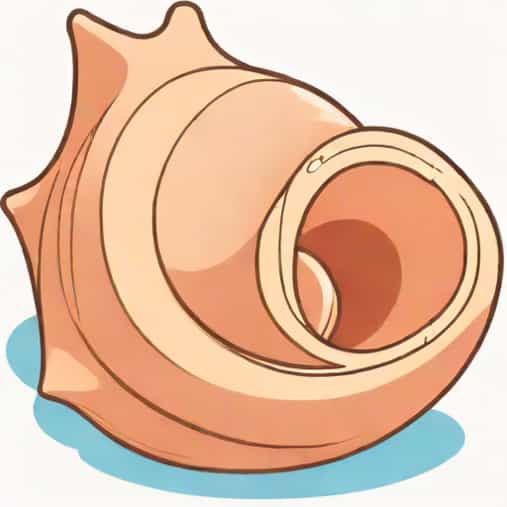
The queen conch is a large sea snail that inhabits the shallow waters of the Caribbean, the Gulf of Mexico, and parts of the Atlantic Ocean. Known for its beautiful, spiral-shaped shell and distinctive pink interior, the queen conch has captured the attention of marine biologists, shell collectors, and coastal communities alike. Beyond its striking appearance, the queen conch plays an important ecological role and has been a significant food source for humans for centuries. Its size, habitat, and behavior make it a fascinating species to study, while conservation efforts highlight the need to protect this valuable marine organism from overfishing and environmental threats.
Physical Characteristics of the Queen Conch
The queen conch is easily recognized by its large, heavy shell, which can reach lengths of up to 12 inches or more. Its shell has a high spire, a flared lip, and a smooth, glossy interior that ranges in color from pink to orange. The exterior of the shell is usually light brown or beige with darker streaks or spots. The soft body of the conch is protected by this shell and includes a muscular foot, a siphon used for breathing and detecting predators, and tentacles that help the animal interact with its environment.
Growth and Lifespan
Queen conchs grow slowly and can live for up to 30 years in the wild. They reach sexual maturity around 3 to 5 years of age, which means that overfishing immature individuals can have a significant impact on populations. The growth rate and shell size are influenced by environmental factors, including water temperature, salinity, and the availability of food, primarily algae and detritus found on sandy or seagrass-covered ocean floors.
Habitat and Distribution
Queen conchs prefer shallow, warm waters where they can find sandy or seagrass substrates. They are commonly found at depths ranging from 1 to 100 feet, often in areas with seagrass beds that provide both food and protection from predators. Their distribution spans the Caribbean Sea, the Bahamas, the Florida Keys, and coastal areas of Central America. The health of seagrass beds is crucial for maintaining queen conch populations, as these habitats offer shelter and breeding grounds.
Ecological Role
The queen conch plays an important ecological role in marine ecosystems. As herbivores, they graze on algae and help maintain the balance of seagrass and algae growth. Their grazing activity promotes the health of seagrass beds, which serve as habitats for many other marine species, including fish and invertebrates. Additionally, queen conchs are prey for a variety of predators, such as lobsters, crabs, and certain species of fish, making them an integral part of the food web in their ecosystems.
Reproduction and Life Cycle
Queen conchs have a complex reproductive process. They reproduce sexually through internal fertilization, and females lay thousands of eggs in long, gelatinous strands. These egg strands are often deposited in sandy areas, where they incubate for several weeks before hatching. The larvae, known as veligers, are planktonic and drift with ocean currents for a few weeks before settling on the seafloor and developing into juvenile conchs. This life cycle makes them vulnerable to environmental changes and human activities that disrupt their habitat or reduce their numbers before reaching maturity.
Behavior and Movement
Queen conchs are generally slow-moving animals that use their muscular foot to glide over the seafloor. They are primarily active during the day, grazing for algae, and may burrow slightly into the sand to avoid predators or extreme environmental conditions. Although their movement is limited, they play a role in sediment turnover and contribute to the structure of the benthic ecosystem. Their slow movement and relatively large size make them susceptible to collection by humans, which has contributed to population declines in some areas.
Human Use and Cultural Significance
For centuries, the queen conch has been an important resource for coastal communities. Its meat is a popular food, used in dishes such as conch fritters, salads, and stews. The shell has also been highly valued for decorative purposes, jewelry, and musical instruments, such as the conch shell trumpet. In many Caribbean cultures, the queen conch holds cultural and economic significance, providing livelihoods for local fishers and artisans.
Economic Importance
- Fishing and culinary use provide income for coastal communities.
- Shells are sold as souvenirs, jewelry, and decorative items.
- Tourism benefits from conch-related culinary traditions and marine wildlife observation.
The sustainable management of queen conch populations is essential to maintaining both ecological balance and economic benefits.
Conservation and Threats
Queen conch populations have declined in some areas due to overfishing, habitat degradation, and environmental stressors. Because they take several years to reach sexual maturity, harvesting immature individuals can lead to long-term population decline. Additionally, the loss of seagrass beds due to coastal development, pollution, and climate change threatens their habitat. In response, many countries have implemented regulations to manage conch fisheries, including size limits, seasonal closures, and protected marine areas.
Conservation Efforts
- Enforcing size limits to ensure individuals reach reproductive age before being harvested.
- Protecting seagrass habitats and reducing pollution to maintain healthy ecosystems.
- Promoting aquaculture and sustainable fishing practices to reduce pressure on wild populations.
- Raising public awareness about the ecological and cultural importance of queen conchs.
Organizations and governments continue to work toward maintaining sustainable populations of queen conchs to ensure their survival for future generations.
Interesting Facts About Queen Conch
Queen conchs are fascinating creatures with several unique features
- Their shells are often used as wind instruments in some Caribbean traditions.
- They can detect chemical cues in the water to avoid predators and locate food.
- Queen conchs contribute to reef and seagrass health by grazing on algae.
- Their large size and beautiful shells make them one of the most recognizable marine mollusks.
The queen conch is a large sea snail that is much more than just a visually striking marine creature. Its ecological role, cultural significance, and economic value make it a vital species in the Caribbean and surrounding regions. Understanding its biology, habitat, and behavior highlights the importance of protecting queen conch populations from overfishing and environmental threats. Conservation efforts, sustainable management practices, and public awareness are crucial for ensuring that this iconic sea snail continues to thrive. From its beautiful shell to its critical role in marine ecosystems, the queen conch remains an important symbol of biodiversity and the delicate balance of coastal environments.
Protecting the queen conch is not only a matter of preserving a species but also supporting the livelihoods and traditions of communities that have relied on it for generations. By appreciating its ecological, economic, and cultural significance, we can ensure that the queen conch continues to play a prominent role in the marine environment and human society alike.