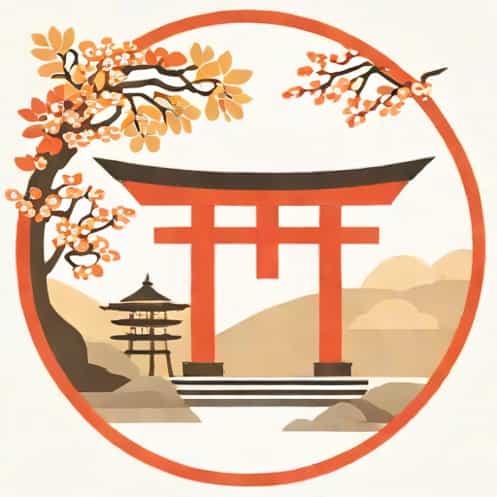
The Shinto symbol represents one of the most important aspects of Japanese culture and spirituality. Shinto, often described as the indigenous religion of Japan, emphasizes harmony with nature, reverence for ancestors, and the worship of kami, which are divine spirits present in all aspects of life. The symbols associated with Shinto carry deep cultural and spiritual meanings, often appearing in shrines, rituals, and traditional practices. Understanding the Shinto symbol provides insight into Japanese heritage, religious philosophy, and the ways in which visual elements can convey profound spiritual ideas. These symbols are not merely decorative; they embody concepts of purity, protection, and the interconnectedness of life.
Origins of Shinto Symbols
Shinto symbols have evolved over centuries, reflecting the beliefs, practices, and aesthetics of Japanese culture. Shinto itself is a faith without a single founder or sacred scripture, relying instead on rituals, mythology, and oral traditions. As a result, its symbols developed organically, representing key concepts such as nature, purity, and the presence of kami. Early Shinto symbols often involved natural elements like the sun, mountains, rivers, and sacred trees. These symbols served as reminders of the divine presence in the natural world and helped guide the spiritual lives of the Japanese people.
Key Shinto Symbols and Their Meanings
Several symbols are commonly associated with Shinto, each carrying specific spiritual significance. Among the most recognized are
- Torii GatePerhaps the most iconic Shinto symbol, the torii gate marks the entrance to a sacred space or shrine. It represents the boundary between the ordinary world and the sacred realm of the kami, inviting worshippers to leave behind worldly concerns and enter a state of spiritual reverence.
- ShimenawaThis rope, often decorated with paper strips called shide, is used to demarcate sacred areas and ward off evil spirits. Shimenawa symbolizes purity and the presence of divine power in the designated area.
- KamidanaThese household altars display miniature shrines where families can offer prayers to kami. Kamidana reflect devotion, respect for ancestors, and the integration of spirituality into daily life.
- MitsudomoeA three-comma swirl symbol often seen in Shinto shrines, the mitsudomoe represents the cycle of life, unity, and the interaction between earth, heaven, and humanity. It embodies harmony and balance within the universe.
Symbolism in Shinto Practices
Shinto symbols are not only visual representations but also integral to religious practices. During festivals, ceremonies, and rituals, these symbols help convey spiritual intentions, focus prayers, and protect participants from negative energies. For example, the torii gate serves as a physical and spiritual threshold, reminding visitors to purify themselves before approaching the kami. Similarly, shimenawa ropes placed around sacred trees or rocks indicate that these objects are inhabited by divine spirits, encouraging reverence and mindfulness.
Shinto and Nature
One of the central themes in Shinto symbolism is the deep connection with nature. Mountains, rivers, forests, and celestial bodies are often considered sacred, and their representations appear frequently in Shinto shrines and iconography. Symbols like the sakaki tree, used in offerings, and natural motifs in shrine architecture emphasize respect for the environment and the belief that spiritual energy permeates all living things. This focus on nature reflects Shinto’s holistic worldview, where humans coexist harmoniously with the natural and spiritual realms.
Shinto Symbols in Modern Japan
Today, Shinto symbols are widely recognized and continue to influence Japanese culture, architecture, and art. Torii gates remain prominent in cities and rural areas alike, serving both religious and cultural functions. Shimenawa can be seen during New Year celebrations, wedding ceremonies, and other cultural events, symbolizing protection and spiritual blessing. Even outside formal religious contexts, Shinto symbols convey aesthetic beauty and cultural identity, demonstrating their enduring relevance in modern society.
Spiritual Significance
The Shinto symbol carries profound spiritual meaning. It reminds individuals of the divine presence in everyday life and encourages mindfulness, reverence, and moral integrity. By incorporating these symbols into rituals and daily practices, followers can strengthen their spiritual connection, honor ancestors, and maintain harmony with the natural world. Each symbol serves as a tangible representation of abstract principles, helping people navigate both their inner spiritual journeys and their interactions with the broader community.
Shinto symbols are more than decorative elements; they are deeply embedded in the spiritual, cultural, and historical fabric of Japan. From the iconic torii gate to the protective shimenawa and the harmonious mitsudomoe, these symbols convey ideas of purity, reverence, and unity with nature. They serve as reminders of the presence of kami, guiding worshippers in rituals, festivals, and everyday life. Understanding the Shinto symbol offers insight into a religion that emphasizes harmony, spiritual awareness, and respect for the natural world. Its enduring influence on Japanese culture highlights the power of symbols to communicate timeless spiritual truths and maintain a connection between tradition and modern life.