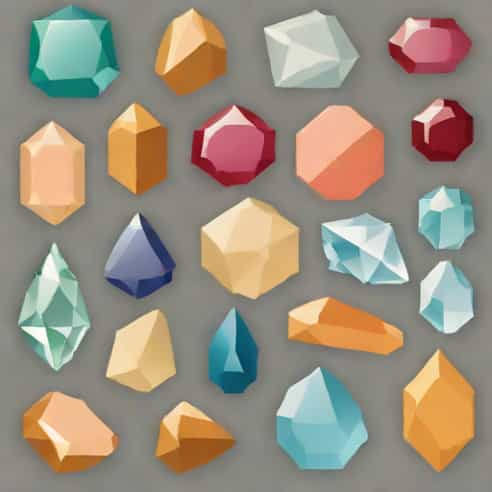
Quartz and chalcedony gemstones have fascinated people for thousands of years due to their beauty, durability, and wide range of colors and patterns. From sparkling clear quartz to the smooth, waxy shine of chalcedony varieties, these minerals hold an important place in both jewelry design and geological study. Many people know quartz as one of the most common minerals on Earth, but fewer realize that chalcedony is a microcrystalline form of quartz. Understanding the connection between quartz and chalcedony helps explain why both gemstones share similar properties yet appear completely different. In this topic, we explore their characteristics, formation, metaphysical associations, and popular uses in the gemstone world.
What Are Quartz and Chalcedony?
Quartz is a mineral composed mainly of silicon dioxide (SiOâ). It forms in a crystalline structure with visible, well-defined crystal faces. Quartz gemstones can grow into large, transparent crystals that reflect and bend light beautifully. Because quartz forms in many different environments around the world, it comes in numerous varieties such as amethyst, citrine, smoky quartz, and rose quartz.
Chalcedony, on the other hand, is also made of silicon dioxide but consists of microscopic crystals tightly packed together. Instead of forming large, transparent crystals, chalcedony appears more smooth, opaque, or translucent with a waxy luster. It includes well-known gemstones like agate, carnelian, onyx, chrysoprase, and jasper – all technically part of the chalcedony family.
The Difference Between Crystalline and Microcrystalline
The most important distinction between quartz and chalcedony lies in their internal structure
- QuartzLarge, visible crystals (macrocrystalline)
- ChalcedonyVery tiny intergrown crystals (microcrystalline)
Because the crystals in chalcedony are so small, it cannot exhibit the same clarity as transparent quartz, even though the chemical composition is identical. This microscopic structure also explains chalcedony’s smooth texture and the ability to display intricate patterns, especially in agates and jaspers.
Popular Types of Quartz Gemstones
Quartz appears in many colors and styles, making it one of the most versatile gemstone groups. Some well-known varieties include
Amethyst
A purple quartz known for its rich violet color. Historically believed to protect against intoxication and promote calmness.
Citrine
A yellow-to-orange quartz associated with confidence, success, and warmth. Often used in jewelry due to its cheerful hues.
Smoky Quartz
A brown or black variety formed by natural radiation exposure. Popular for grounding and strong protective symbolism.
Rose Quartz
A soft pink stone admired as the gem of love. Often used in meditation, décor, and heart-centered jewelry.
Other quartz forms include milky quartz, clear rock crystal, and rutilated quartz with stunning golden inclusions.
Popular Types of Chalcedony Gemstones
The chalcedony group is incredibly diverse. Some varieties are single-colored while others form layered or patterned designs. Notable members include
Agate
Known for its colorful banding and swirling patterns. Each agate slice can appear like a miniature landscape.
Jasper
Opaque chalcedony with earthy colors and unique markings. Often symbolizing strength and stability.
Carnelian
An orange-red gemstone linked with vitality and courage. Used frequently in ancient jewelry.
Onyx
A layered chalcedony with contrasting black and white bands. Commonly used for carving cameos and decorative pieces.
Chrysoprase
An apple-green stone valued in luxury jewelry. Its color comes from traces of nickel in the mineral structure.
These gemstones vary widely in price and appearance, making chalcedony a favorite among collectors and designers.
How Quartz and Chalcedony Form
Quartz crystals typically form in open cavities such as hydrothermal veins where they have space to grow freely into pointed crystal shapes. They can grow very large and clear when the environment remains stable for long periods.
Chalcedony forms differently, often in small voids or as a replacement mineral. It deposits layer by layer from silica-rich water, allowing beautiful banding and swirling to develop over time. Some chalcedony varieties – like agate – fill volcanic rock cavities, creating rounded nodules that reveal vibrant patterns once cut and polished.
Hardness and Durability
Both quartz and chalcedony score a 7 on the Mohs scale of hardness. This makes them resistant to scratching and suitable for everyday jewelry like rings and bracelets. Their durability explains why both materials have been used historically in tools, carvings, and ceremonial objects.
Spiritual and Metaphysical Meanings
Across cultures, quartz gemstones are considered energy amplifiers. People who practice crystal healing often use quartz to enhance clarity, intuition, and focus. Clear quartz is sometimes called the master healer due to its versatility in meditation and energy work.
Chalcedony gemstones traditionally represent emotional balance and calm communication. Carnelian is linked to confidence and creativity, while agate promotes grounding and stability. Even though their meanings vary, many believe chalcedony encourages harmony and connection with others.
While metaphysical beliefs are subjective, their symbolism adds emotional value for many gemstone lovers.
Quartz and Chalcedony in Jewelry Design
Jewelry designers appreciate quartz and chalcedony for many reasons
- Abundant supply helps keep prices accessible
- Wide range of colors offers creative flexibility
- Durability makes them ideal for everyday wear
- Many stones can be cut into cabochons or faceted shapes
Chalcedony varieties like agate and jasper often highlight natural artistic patterns formed by geological processes, allowing each gemstone to feel truly one-of-a-kind. Meanwhile, quartz varieties provide sparkle and brilliance similar to more expensive gemstones.
Collecting and Identifying the Stones
Collectors often value specimens with standout color, size, or clarity. With quartz, large clear crystals or deeply saturated amethyst fetch higher prices. For chalcedony, strong pattern definition and vivid hues – such as the bright green of chrysoprase – are more desirable.
Identifying quartz and chalcedony requires observing transparency, luster, and surface structure. Quartz typically shows crystal points and glass-like surfaces, while chalcedony appears more smooth, soft-looking, and opaque.
Why They Remain So Popular
The popularity of quartz and chalcedony gemstones continues to grow, not only because of their beauty but also because they are accessible to both beginners and expert collectors. Their geological variety means there is always something new to discover – whether in a jewelry shop, a mineral market, or even in the natural world.
People value gemstones not just for physical properties but for the emotions and personal expression they inspire. With their rich history, wide availability, and connection to Earth’s natural forces, quartz and chalcedony will always have a place in gemstone culture.
Quartz and chalcedony gemstones share the same chemical composition but express themselves in profoundly different ways. Quartz dazzles with transparent crystals and radiant light, while chalcedony captivates with color, texture, and mysterious internal patterns. Together, these minerals represent two sides of a geological family that continues to fascinate collectors, designers, and spiritual seekers alike. Whether chosen for beauty, healing beliefs, or scientific curiosity, quartz and chalcedony remain timeless gems that connect us to the wonders of the natural world.