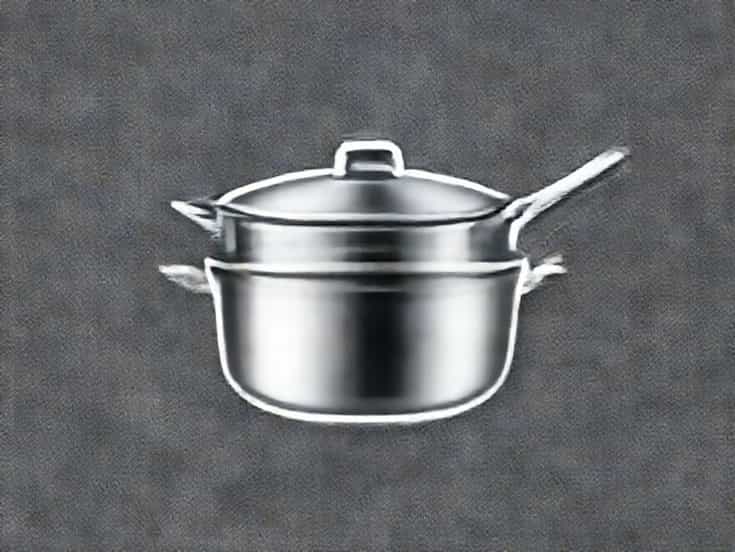
Quality stainless steel cookware has become a preferred choice for both professional chefs and home cooks due to its durability, versatility, and excellent cooking performance. Unlike nonstick or aluminum cookware, stainless steel provides a long-lasting cooking surface that can handle high heat, resist rust and corrosion, and maintain its appearance over time. Investing in a good set of stainless steel cookware can enhance your culinary experience, offering even heat distribution, ease of cleaning, and a professional look in the kitchen. Understanding the characteristics, benefits, and proper care of stainless steel cookware is essential for maximizing its performance and longevity.
What is Stainless Steel Cookware?
Stainless steel cookware is made from an alloy of iron, chromium, and often nickel, which gives it resistance to rust, corrosion, and staining. High-quality cookware typically has multiple layers or a tri-ply construction that combines stainless steel with aluminum or copper cores to improve heat conductivity. This type of cookware is widely used for sautéing, searing, boiling, and even baking, making it a versatile option for various cooking methods.
Types of Stainless Steel Cookware
- Tri-Ply CookwareFeatures three layers, usually stainless steel on the outside and inside with an aluminum core for even heat distribution.
- Five-Ply CookwareIncludes additional layers for superior heat control and durability, often used in professional kitchens.
- Clad CookwareRefers to stainless steel layered with other metals like copper or aluminum to improve performance.
- Single-Ply Stainless SteelLess expensive and lightweight, but may have uneven heating compared to multi-ply options.
Benefits of Quality Stainless Steel Cookware
Investing in high-quality stainless steel cookware offers numerous advantages, from cooking performance to health and longevity. Understanding these benefits can help you make an informed choice when selecting your kitchen tools.
1. Durability and Longevity
Stainless steel is known for its strength and resistance to warping, rust, and corrosion. A well-maintained set of stainless steel cookware can last for decades, making it a worthwhile investment. Unlike nonstick surfaces that may wear out over time, stainless steel retains its performance even with frequent use.
2. Even Heat Distribution
High-quality stainless steel cookware often features aluminum or copper cores that distribute heat evenly across the cooking surface. This reduces the risk of hot spots, ensuring consistent cooking and preventing food from burning or sticking.
3. Non-Reactive Surface
Stainless steel does not react with acidic or alkaline foods, which helps preserve the taste and nutritional value of your dishes. Ingredients like tomatoes, vinegar, or lemon juice will not discolor the cookware or impart metallic flavors to the food.
4. Versatility
Stainless steel cookware can be used on a variety of cooking surfaces, including gas, electric, and induction stovetops. It is also oven-safe, making it suitable for recipes that require transferring from stovetop to oven. This versatility allows you to prepare a wide range of dishes with a single set of cookware.
5. Ease of Cleaning
Although stainless steel is not naturally nonstick, high-quality cookware is relatively easy to clean with warm soapy water and a soft sponge. Many stainless steel pots and pans are dishwasher-safe, and stubborn stains or burnt-on food can often be removed with specialized cleaners or simple home remedies like baking soda and vinegar.
Factors to Consider When Choosing Stainless Steel Cookware
Selecting the right stainless steel cookware requires consideration of construction, size, weight, and other features. Making informed choices ensures that you get the best performance and value for your kitchen needs.
1. Construction and Ply
Look for multi-ply cookware, such as tri-ply or five-ply, which combines stainless steel with aluminum or copper cores. Multi-ply construction enhances heat distribution and minimizes warping over time, making it suitable for both home cooks and professionals.
2. Gauge and Thickness
Thicker stainless steel tends to hold heat better and provides more even cooking. However, extremely heavy cookware can be cumbersome to handle. Balancing thickness and weight is important for everyday usability.
3. Handle Design
Comfortable and sturdy handles are essential for safe and convenient cooking. Look for handles that are riveted rather than welded, as rivets provide long-lasting strength. Some handles are also designed to stay cool during cooking, enhancing safety and comfort.
4. Lid Fit
Tight-fitting lids help retain heat and moisture, which is especially important for simmering and braising. Transparent lids are convenient for monitoring food without lifting the lid, while stainless steel lids offer durability and even heat retention.
5. Brand Reputation
Choosing a reputable brand can ensure high-quality materials, construction, and customer support. Trusted brands often provide warranties, which adds value and peace of mind when investing in expensive cookware sets.
Care and Maintenance of Stainless Steel Cookware
Proper care and maintenance are crucial for keeping stainless steel cookware in excellent condition. Following simple steps can extend the lifespan of your pots and pans and maintain their performance.
1. Cleaning After Use
Wash stainless steel cookware with warm, soapy water and a soft sponge. Avoid harsh abrasives that can scratch the surface. For stubborn residue, soak the cookware before cleaning or use a paste of baking soda and water.
2. Avoid Overheating
While stainless steel is durable, overheating can cause discoloration or warping. Preheat pans gradually and use medium heat whenever possible. High heat should be reserved for searing or specific cooking techniques recommended in recipes.
3. Preventing Stains and Discoloration
Water spots or rainbow-like discoloration can appear if cookware is exposed to hard water or high heat. Polishing with a stainless steel cleaner or a mixture of vinegar and water can restore shine and maintain aesthetics.
4. Storage
Store stainless steel cookware in a dry area to prevent moisture buildup. Avoid stacking pans without protection to prevent scratches. Using soft liners or towels between stacked pans can help maintain the surface.
Quality stainless steel cookware is a valuable investment for any kitchen, offering durability, versatility, and reliable cooking performance. With proper selection, care, and maintenance, stainless steel cookware can last for decades, making it an essential tool for home cooks and professionals alike. By considering construction, thickness, handle design, lid fit, and brand reputation, you can choose a set that meets your cooking needs and enhances your culinary experience. With even heat distribution, a non-reactive surface, and ease of cleaning, stainless steel cookware provides consistent results for a wide range of recipes. Investing in high-quality stainless steel cookware ensures that you can cook efficiently, enjoy your meals, and maintain a beautiful and functional kitchen for years to come.