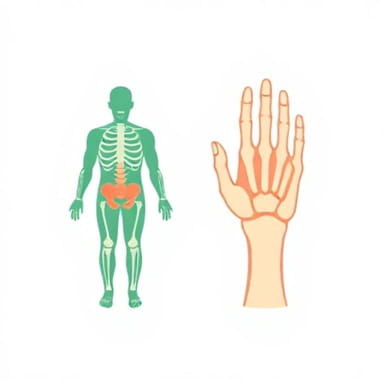
Joint pain, stiffness, and swelling are common symptoms that affect millions of people worldwide. Two conditions that are often confused due to their similarities are psoriatic arthritis and rheumatoid arthritis. Both are autoimmune diseases that cause inflammation in the joints, leading to discomfort and limited mobility. However, they are distinct illnesses with different causes, symptoms, and treatment approaches. Understanding the differences between psoriatic arthritis vs rheumatoid arthritis is essential for proper diagnosis, management, and long-term quality of life.
Understanding Psoriatic Arthritis
Psoriatic arthritis, often abbreviated as PsA, is a chronic autoimmune condition that develops in some people who have psoriasis, a skin disease characterized by red, scaly patches. Not everyone with psoriasis will develop psoriatic arthritis, but those who do often experience joint inflammation along with skin symptoms.
Key Features of Psoriatic Arthritis
Psoriatic arthritis can affect any joint in the body and has unique features that differentiate it from other forms of arthritis
- Often linked with psoriasis on the skin or scalp
- May cause swelling of entire fingers or toes, known as sausage digits
- Tends to cause pain where tendons and ligaments attach to bone, such as the heel
- Can affect nails, leading to pitting, thickening, or separation from the nail bed
- Symptoms may flare and improve over time, with periods of remission
Understanding Rheumatoid Arthritis
Rheumatoid arthritis, or RA, is another autoimmune condition where the immune system attacks the lining of the joints, called the synovium. This leads to inflammation, pain, and eventually joint damage if untreated. Unlike psoriatic arthritis, rheumatoid arthritis is not directly linked to skin disease but is a systemic illness that can affect other organs as well.
Key Features of Rheumatoid Arthritis
Some important characteristics of RA include
- Usually affects smaller joints first, such as those in the hands and feet
- Joint involvement is typically symmetrical, meaning the same joints on both sides of the body are affected
- Can cause fatigue, fever, and unintentional weight loss
- Morning stiffness lasting more than 30 minutes is common
- If untreated, it can lead to joint deformities and long-term disability
Psoriatic Arthritis vs Rheumatoid Arthritis Key Differences
Although both conditions cause joint pain and inflammation, there are important differences between psoriatic arthritis vs rheumatoid arthritis that help doctors make a correct diagnosis.
Onset and Associated Conditions
Psoriatic arthritis is closely linked with psoriasis. In many cases, skin symptoms appear before joint problems, though sometimes the arthritis develops first. Rheumatoid arthritis, on the other hand, is not connected to psoriasis but is often linked with other autoimmune disorders and systemic symptoms.
Pattern of Joint Involvement
RA commonly affects the same joints on both sides of the body in a symmetrical pattern. Psoriatic arthritis may affect joints asymmetrically, meaning one side may be more severely impacted than the other. PsA also has a tendency to involve the spine and sacroiliac joints, which is less common in RA.
Effects on Nails and Skin
PsA often involves nail changes such as pitting, thickening, or separation, as well as visible skin patches. RA does not directly affect nails or skin, though it may cause other systemic symptoms like nodules under the skin.
Extra-Articular Symptoms
While both conditions can affect more than just the joints, RA is more likely to involve the lungs, heart, and eyes. PsA primarily affects the joints, skin, and nails but may also impact the eyes through conditions like uveitis.
Diagnosis of Psoriatic Arthritis and Rheumatoid Arthritis
Proper diagnosis is crucial to determine whether a person has psoriatic arthritis or rheumatoid arthritis. Doctors rely on physical examinations, medical history, and various tests to identify the condition.
Diagnostic Methods
- Blood testsRA patients often test positive for rheumatoid factor (RF) or anti-CCP antibodies, while PsA patients typically test negative.
- ImagingX-rays, MRI, or ultrasound can reveal joint damage patterns. PsA may show bone growth, while RA often leads to bone erosion.
- Physical examDoctors check for swollen joints, nail changes, and skin patches to distinguish PsA from RA.
Treatment Approaches
Both psoriatic arthritis and rheumatoid arthritis require long-term management, but treatment strategies can differ based on the condition and individual needs.
Medications for Both Conditions
- Nonsteroidal anti-inflammatory drugs (NSAIDs) for pain relief
- Disease-modifying antirheumatic drugs (DMARDs) such as methotrexate
- Biologic therapies that target specific parts of the immune system
- Corticosteroids for reducing inflammation during flares
Lifestyle and Supportive Care
In addition to medications, both conditions benefit from lifestyle modifications
- Regular low-impact exercise such as swimming or walking
- Healthy diet rich in anti-inflammatory foods
- Physical therapy to maintain mobility
- Stress management techniques to reduce flare-ups
Prognosis and Long-Term Outlook
Both psoriatic arthritis and rheumatoid arthritis are chronic conditions that require lifelong care. Early diagnosis and treatment can significantly improve quality of life and prevent severe joint damage. People with PsA may experience fluctuations in symptoms with periods of remission, while RA often progresses more steadily without treatment. Modern therapies, however, have greatly improved outcomes for both conditions.
Living with Psoriatic Arthritis vs Rheumatoid Arthritis
Managing these conditions goes beyond medication. Patients often need to adapt their lifestyle to reduce stress on the joints, maintain mobility, and preserve mental health. Support groups, counseling, and patient education can make a significant difference in coping with the daily challenges of chronic illness.
When comparing psoriatic arthritis vs rheumatoid arthritis, it is clear that while they share some similarities, they are distinct diseases with different symptoms and treatment paths. Psoriatic arthritis is closely tied to psoriasis and nail changes, often showing asymmetrical joint involvement, while rheumatoid arthritis typically presents with symmetrical joint pain and systemic complications. Understanding these differences helps patients and healthcare providers choose the right treatment and improve long-term outcomes. With the right approach, individuals living with either condition can manage symptoms effectively and maintain a fulfilling lifestyle.