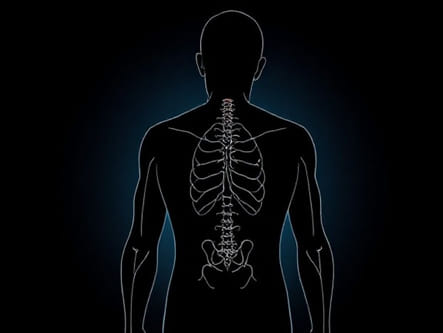
Chronic back pain is a common medical condition that affects millions of people worldwide, often significantly limiting daily activities and reducing quality of life. When conservative treatments such as physical therapy, medications, or lifestyle modifications fail to provide sufficient relief, more advanced interventions may be considered. One such intervention is a procedure to cauterize nerves in the back, which aims to reduce or eliminate pain signals transmitted from damaged or overactive nerves. This procedure is highly specialized and requires careful patient selection, precise technique, and thorough understanding of potential risks and benefits.
Understanding Nerve Cauterization for Back Pain
Nerve cauterization, also known as radiofrequency ablation (RFA) or neurotomy, involves using heat generated by radio waves to disrupt the function of specific nerves that transmit pain signals from the spine to the brain. This procedure is commonly used for conditions such as facet joint arthritis, sacroiliac joint dysfunction, and other chronic back pain syndromes. By targeting and cauterizing these nerves, the procedure reduces the intensity of pain without affecting overall motor function or sensation in other areas of the body.
How the Procedure Works
The procedure begins with careful identification of the target nerves. Physicians typically use imaging guidance, such as fluoroscopy or CT scans, to locate the nerves responsible for transmitting pain signals. Once identified, a specialized needle is inserted near the nerve, and a small electrode is placed through the needle. The electrode emits radiofrequency energy, which heats the nerve tissue to a precise temperature, effectively disrupting its ability to send pain signals. The process is highly controlled to minimize damage to surrounding tissues.
- Imaging guidance ensures accurate targeting of nerves
- Radiofrequency energy heats the nerve to disable pain transmission
- The procedure is minimally invasive, reducing recovery time
Indications for Nerve Cauterization
Not every patient with back pain is a candidate for nerve cauterization. The procedure is generally recommended for individuals who have chronic, localized back pain that has not responded to conservative treatments. Common indications include
- Facet joint arthritis causing localized spinal pain
- Sacroiliac joint dysfunction leading to lower back pain
- Pain from degenerative spinal changes confirmed by diagnostic nerve blocks
- Persistent pain after spinal surgery or other interventions
Before performing the procedure, physicians often conduct diagnostic nerve blocks, where a small amount of local anesthetic is injected near the target nerve. If the patient experiences significant temporary pain relief from this block, it indicates that nerve cauterization may be effective.
Preparation for the Procedure
Preparation is a critical step to ensure patient safety and the success of the procedure. Patients are usually advised to
- Disclose all medications, especially blood thinners, which may need to be temporarily paused
- Fast for several hours prior if sedation will be used
- Arrange for transportation home, as sedation or local anesthesia can impair driving ability
- Wear comfortable clothing and avoid jewelry near the treatment site
Pre-procedure assessments may include a physical examination, review of imaging studies, and consultation with the pain management team to ensure the procedure is appropriate for the patient’s specific condition.
The Procedure Step by Step
Nerve cauterization is typically performed on an outpatient basis, meaning the patient can return home the same day. The procedure generally follows these steps
Step 1 Anesthesia
Local anesthesia is applied to numb the area where the needle will be inserted. In some cases, mild sedation is used to help the patient relax, but general anesthesia is rarely required.
Step 2 Needle Placement
Using imaging guidance, the physician carefully inserts a needle near the target nerve. Accuracy is critical to avoid affecting surrounding muscles, blood vessels, or non-target nerves.
Step 3 Radiofrequency Application
A thin electrode is placed through the needle, and radiofrequency energy is applied to generate heat. The nerve is cauterized at a controlled temperature for a short period, usually less than a minute per nerve. Multiple nerves may be treated depending on the extent of the pain.
Step 4 Completion and Observation
After the nerves have been cauterized, the needle and electrode are removed. A small bandage is applied, and the patient is monitored for a short period to ensure there are no immediate complications.
Recovery and Post-Procedure Care
Recovery from nerve cauterization is typically quick. Most patients experience mild soreness at the injection site for a few days, which can be managed with over-the-counter pain medications. Normal activities can usually be resumed within a day or two, though strenuous activities and heavy lifting should be avoided for at least a week. Full pain relief may not be immediate, as the nerve needs time to respond to the cauterization, often taking 1-2 weeks for optimal results.
- Mild soreness at the injection site is common
- Over-the-counter pain medications can help manage discomfort
- Avoid heavy lifting and strenuous activity for a short period
- Follow-up appointments may be scheduled to assess pain relief and overall recovery
Risks and Considerations
While nerve cauterization is generally considered safe, there are potential risks and considerations that patients should be aware of. These include
- Temporary increase in pain at the treatment site
- Infection, though rare, at the needle insertion site
- Nerve injury leading to numbness or tingling, usually temporary
- Failure to relieve pain, particularly if the wrong nerves are targeted
It is essential for patients to discuss their medical history, medications, and specific pain patterns with their physician to minimize risks and maximize the likelihood of successful pain relief.
Benefits of Nerve Cauterization
Nerve cauterization offers several advantages for patients with chronic back pain. These benefits include
- Minimally invasive procedure with shorter recovery time compared to surgery
- Reduction or elimination of chronic pain signals
- Improved ability to perform daily activities and enhance quality of life
- Possibility of repeating the procedure if pain recurs after several months
For many patients, nerve cauterization provides meaningful relief, allowing them to reduce reliance on medications and engage in rehabilitation exercises more comfortably.
Procedure to cauterize nerves in the back, commonly performed as radiofrequency ablation, is a safe and effective option for patients with chronic pain originating from facet joints or other spinal structures. By precisely targeting pain-transmitting nerves, the procedure can significantly reduce discomfort and improve functional ability. Proper patient selection, accurate technique, and careful post-procedure care are essential for achieving the best outcomes. As with any medical intervention, discussing expectations, potential risks, and recovery plans with a qualified physician ensures that patients make informed decisions and achieve the most effective pain relief possible.