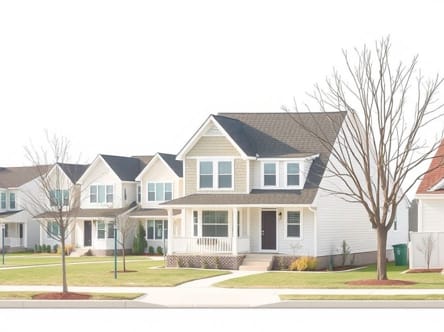
In land use and zoning law, the concept of a ‘pre-existing nonconforming lot’ plays a significant role in property development and regulation. These lots are parcels of land that were legally created according to zoning regulations in the past but no longer meet current zoning standards. Understanding the implications of owning or developing on such lots is essential for landowners, developers, and local governments. Pre-existing nonconforming lots often present challenges related to building rights, land use permissions, and potential legal restrictions, which must be carefully navigated to comply with current laws and maximize property value.
Definition of Pre-Existing Nonconforming Lot
What Is a Nonconforming Lot?
A nonconforming lot is a parcel of land that does not conform to the present zoning requirements for its location. This nonconformity could relate to the lot’s size, shape, frontage, or other dimensional standards established by current zoning codes. When such a lot was legally created before these zoning rules were put into effect or changed, it is termed a pre-existing or legally nonconforming lot.
Legal Creation and Nonconformity
Pre-existing nonconforming lots are typically the result of zoning changes or updates. For example, a lot that was once compliant with minimum lot size requirements may become nonconforming if new regulations increase the minimum size. Because the lot was lawful at the time of creation, it often enjoys certain protections, allowing limited development or use despite its nonconformity.
Common Characteristics of Pre-Existing Nonconforming Lots
- Smaller Lot Size: The lot may be smaller than what current zoning requires.
- Irregular Shape or Dimensions: The lot may have unusual shape or frontage that does not meet standards.
- Noncompliant Uses: Certain uses or structures might be prohibited under current laws but are grandfathered due to prior approval.
- Legal Status: The lot was created legally under former zoning laws, distinguishing it from illegally subdivided parcels.
Regulatory Treatment of Pre-Existing Nonconforming Lots
Building and Development Rights
One key issue with pre-existing nonconforming lots is whether new construction or expansions are allowed. In many jurisdictions, owners can build a single-family home or other permitted uses on these lots even if they do not meet current size requirements. However, there are often restrictions on additions, expansions, or rebuilding if the structure is destroyed.
Limitations and Conditions
Zoning laws frequently impose conditions to limit the negative impacts of nonconforming lots. These may include:
- Restrictions on subdividing or further dividing the lot.
- Limits on the size, height, or location of new structures.
- Requirements to comply with setback and other development standards as much as possible.
- Prohibition on changing the use to a more intensive or non-permitted one.
Variations by Jurisdiction
The treatment of pre-existing nonconforming lots varies widely depending on local zoning ordinances and state laws. Some areas offer more lenient provisions to encourage development, while others strictly regulate to maintain neighborhood character and planning goals.
Challenges Faced by Owners of Pre-Existing Nonconforming Lots
Uncertainty in Development Potential
Owners may face difficulties determining what types of construction or modifications are permitted, leading to potential delays and increased costs in planning and permitting.
Financing and Marketability
Nonconforming status can affect the ability to obtain financing or sell the property. Lenders and buyers often perceive higher risk if the lot cannot support conventional development.
Risk of Losing Nonconforming Status
In some cases, if the lot remains undeveloped for a long period or if the existing structures are significantly damaged or demolished, the nonconforming protections may be lost, and the lot may have to meet current zoning requirements.
Legal Protections and Remedies
Grandfathering Provisions
Most zoning codes include grandfathering provisions that protect pre-existing nonconforming lots from immediate invalidation. These provisions allow existing lots and uses to continue under certain conditions.
Variance and Special Permits
Owners can often apply for variances or special permits to obtain exceptions from strict zoning rules, allowing development despite nonconformity. Approval usually requires demonstrating hardship and ensuring that the variance will not harm public interests.
Nonconforming Use Rights
Besides lot size, nonconforming use rights may allow the continuation of a land use that was legal before zoning changes but no longer permitted. These rights are usually limited and may terminate if the use is discontinued for a specified period.
How to Manage and Utilize a Pre-Existing Nonconforming Lot
- Consult Local Zoning Authorities: Understanding the specific regulations and protections in the local jurisdiction is essential.
- Hire Professionals: Engage planners, surveyors, and attorneys to assess the lot and advise on development possibilities.
- Explore Variance Options: Consider applying for variances or special permits to expand development rights.
- Plan for Compliance: Design projects that meet as many current standards as possible to minimize conflicts.
Pre-existing nonconforming lots occupy a unique place in land use and zoning law. While they often come with limitations compared to fully conforming lots, they also provide opportunities for development and use that would otherwise be restricted. Navigating the legal landscape surrounding these lots requires careful attention to local zoning laws, understanding of nonconforming protections, and sometimes creative planning solutions. For landowners and developers, a thorough grasp of the concept of pre-existing nonconforming lots is critical to unlocking the potential of such properties while complying with regulations and avoiding costly legal issues.