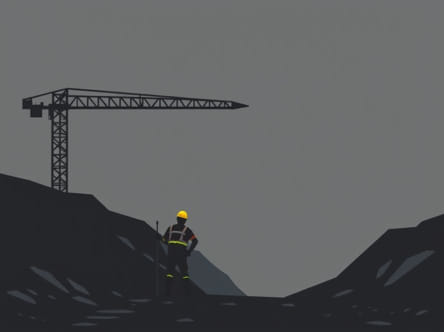
The story of pit boys at the pithead is a chapter in industrial history that reveals both the struggles and the resilience of working-class communities. In coal mining towns across the 19th and early 20th centuries, pit boys were often the youngest workers, standing at the threshold of adulthood while shouldering the weight of responsibility. Their lives at the pithead were marked by long hours, physical challenges, and a close-knit sense of camaraderie. Exploring their role gives us an understanding of how young workers shaped the mining industry and how their contributions continue to resonate in cultural memory.
The Role of Pit Boys at the Pithead
Pit boys were often employed at the surface level of coal mines, commonly known as the pithead. Their tasks varied depending on the scale of the mining operation, but they typically involved sorting coal, handling carts, operating machinery, and assisting older workers. While they were not yet miners working underground, pit boys played an essential role in ensuring that the coal was processed and transported efficiently.
Daily Responsibilities
At the pithead, pit boys worked in tough conditions. They would often spend hours sorting coal from stone, loading wagons, and managing the flow of materials from the mine shaft. Their work required strength, endurance, and sharp attention to detail. Despite their young age, they were treated as vital members of the workforce.
- Sorting coal and removing debris
- Pushing heavy carts filled with coal
- Operating levers and machinery under supervision
- Assisting with tools and supplies for underground miners
- Maintaining the flow of coal to the surface markets
Age and Training
Many pit boys started work as young as 10 or 12 years old, sometimes even younger depending on local laws and family circumstances. Their training was not formal but learned through observation and guidance from older workers. This apprenticeship-like system meant they gradually absorbed the skills needed to eventually transition into full miners.
Life at the Pithead
Working at the pithead was not only physically demanding but also mentally challenging. Pit boys endured long hours, often starting early in the morning and continuing until evening. The environment was noisy, dusty, and filled with constant activity, but it was also a place where friendships and bonds were formed.
Sense of Community
Despite the harshness of the job, pit boys were rarely alone. The pithead was a hub of activity where boys, men, and sometimes women worked together. The sense of shared hardship created strong relationships. Older workers often acted as mentors, passing down knowledge while also looking out for the younger ones. This solidarity was a hallmark of mining communities.
Challenges and Hardship
Pit boys often faced exhaustion, accidents, and the dangers of heavy machinery. Safety regulations were minimal in the early industrial period, which made injuries common. Cuts, bruises, and even broken bones were part of the reality. Families depended on the wages of pit boys, however small, so the pressure to keep working was immense.
Historical Context of Pit Boys
The emergence of pit boys at pitheads was tied to the rapid expansion of coal mining during the Industrial Revolution. As factories, railways, and steam engines demanded more fuel, coal mines became busier, and cheap labor was needed. Children were seen as an affordable and adaptable workforce, which led to their widespread employment in mining towns.
Legislation and Reform
Over time, social reformers began to draw attention to the exploitation of young workers in coal mines. Laws were eventually passed to limit the employment of children in mines, particularly after reports highlighted the dangers and health risks. The Mines Act of 1842 in Britain, for instance, prohibited women and boys under ten from working underground. However, at the pithead, many children continued to work into the late 19th century.
Impact on Education
The employment of pit boys often conflicted with education. Many families could not afford to send their children to school if wages were needed at home. This meant that literacy rates in mining communities sometimes lagged behind other regions. Over time, as compulsory education laws became more strictly enforced, the number of pit boys began to decline.
Cultural Representation of Pit Boys
The image of the pit boy at the pithead has become symbolic in literature, songs, and visual art. They represent the grit, sacrifice, and endurance of working-class life during the height of industrialization. In mining towns, stories of pit boys are often passed down through generations as part of a shared heritage.
Folk Songs and Narratives
Mining songs and oral traditions often mention pit boys, emphasizing their youth and the weight of responsibility they carried. These cultural expressions helped preserve the memory of their struggles, reminding future generations of the sacrifices made by young workers in harsh environments.
Modern Memorials
Today, in former mining regions, memorials and museums sometimes feature pit boys as part of the broader story of coal mining. Statues, exhibitions, and historical records highlight their contributions, ensuring that the role they played is not forgotten.
The Transition from Pit Boys to Miners
For many, working as a pit boy was only the beginning of a long career in coal mining. As they grew older and stronger, they would transition underground, taking on the full responsibilities of miners. This progression was expected, and many pit boys knew from the start that their future lay deep within the mines.
Learning Skills for the Future
Working at the pithead gave pit boys practical skills that prepared them for underground work. They learned about machinery, safety practices, teamwork, and the value of perseverance. By the time they entered the mine shafts, they were already seasoned in the routines of coal mining life.
Generational Patterns
Coal mining was often a family trade, passed down from fathers to sons. Pit boys continued this tradition, following in the footsteps of their parents and grandparents. This generational cycle created strong cultural ties to mining communities, reinforcing identity and pride in the work despite its dangers.
Legacy of Pit Boys at Pithead
The legacy of pit boys at the pithead remains important in understanding industrial history and the lives of working-class children. Their experiences reflect the broader themes of labor, poverty, resilience, and community that defined mining towns during the industrial era.
Influence on Modern Labor Rights
The hardships endured by pit boys played a role in shaping modern labor movements. Their struggles, along with those of other child workers, highlighted the need for workplace protections, minimum age laws, and safer working conditions. Today’s labor standards owe much to the sacrifices of these young workers.
Remembering Their Contribution
While coal mining has declined in many regions, the memory of pit boys endures. Communities honor their resilience, historians study their role, and their stories remain a vital part of the narrative of industrial progress. They remind us that behind every ton of coal was the effort of countless individuals, including children who gave their youth to the pithead.
Pit boys at the pithead represent a unique and powerful story of labor history. They were young workers who carried heavy burdens, contributed to their families, and sustained the coal industry during a period of rapid industrialization. Their daily lives were filled with both hardship and solidarity, shaping not only their futures as miners but also the character of mining communities as a whole. Today, the story of pit boys continues to resonate as a symbol of endurance, sacrifice, and the progress that came from their struggles.