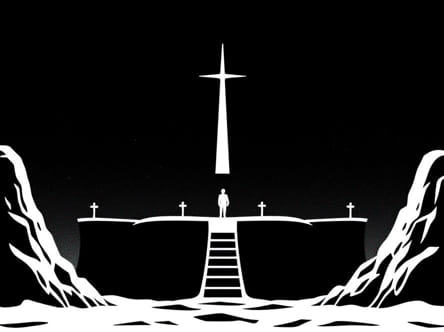
In the realm of speculative fiction, few series are as imaginative and philosophically rich as Piers Anthony’s Incarnations of Immortality. First published in the 1980s, this iconic fantasy series redefines the concept of immortality through a unique lens where supernatural offices such as Death, Time, Fate, War, Nature, Evil, and Good are personified and passed from one mortal to another. Each book focuses on a new individual who assumes one of these cosmic roles, offering readers an intriguing blend of fantasy, moral inquiry, and social commentary. With deep themes, compelling characters, and an original narrative structure, the Incarnations of Immortality continues to captivate fans of science fiction and fantasy worldwide.
The Premise of the Series
Incarnations as Jobs, Not Beings
Unlike typical depictions of divine or eternal beings, Piers Anthony’s series introduces the idea that supernatural offices are actual jobs that humans can take on. These positions are necessary for maintaining the cosmic balance. When one office-holder dies, resigns, or becomes unfit, someone else must take their place. The novels explore how ordinary people rise to the occasion, take on great responsibility, and grapple with the moral implications of their roles.
The Structure of the Series
The original series includes eight main books:
- On a Pale Horse– focuses on the office of Death
- Bearing an Hourglass– follows the person who becomes Time
- With a Tangled Skein– explores the nature of Fate
- Wielding a Red Sword– examines the embodiment of War
- Being a Green Mother– introduces the new incarnation of Nature
- For Love of Evil– provides the perspective of Satan (Evil)
- And Eternity– includes God’s (Good) role and a final philosophical culmination
- Under a Velvet Cloak– a later addition exploring the incarnation of Night
Each novel can stand alone, but they are interconnected, building a larger narrative arc that spans the entire series. Characters from one book appear in others, and events often overlap, offering multiple perspectives on the same occurrences.
Exploring the Individual Incarnations
Death – Zane’s Transformation
The first book,On a Pale Horse, introduces Zane, a man who unintentionally kills Death and is forced to assume the role. As the new Grim Reaper, he learns to navigate the rules of the supernatural realm, discovering that his job is more about balance and compassion than mindless soul collection. The novel also critiques modern issues like overpopulation, euthanasia, and the soul’s value.
Time – The Burden of Temporal Power
Bearing an Hourglasstells the story of Norton, who becomes Chronos, the incarnation of Time. Norton must live backward in time, creating unique challenges and paradoxes. This book dives deep into the complexity of time travel, destiny, and how our understanding of time influences our decisions and morality.
Fate – The Triple Goddess
InWith a Tangled Skein, the role of Fate is divided among three women: Clotho, Lachesis, and Atropos, reflecting the classical mythology of the Fates. The central character, Niobe, serves in different aspects of the office and shows how free will interacts with destiny. Her journey provides insight into motherhood, sacrifice, and the intricacies of determining life’s course.
War – Ethical Combat
InWielding a Red Sword, Mym, a prince who refuses to fight, ironically becomes Mars, the incarnation of War. His journey reveals the political, psychological, and humanitarian aspects of conflict. Rather than glorifying violence, the book discusses when war is justified, what it means to wield power, and how war can be used to prevent greater evil.
Nature – Harmony and Music
Being a Green Motherfollows Orb, a talented musician and daughter of Niobe, as she becomes Gaea, the embodiment of Nature. Her connection to life and the environment is reflected through her music and actions. The story emphasizes ecological responsibility, natural balance, and the emotional strength required to protect a fragile world.
Evil – The Sympathetic Devil
For Love of Evilis told from the perspective of Lucifer, or Parry, a magician turned incarnation of Evil. This novel presents a nuanced view of the Devil, showing him as a tragic figure who believes in order and consequence. Parry is not entirely malevolent but plays a vital role in maintaining moral equilibrium. The book challenges readers to consider how evil functions in a moral universe and whether intent outweighs outcome.
Good – Divine Justice
And Eternitycontinues the story from multiple viewpoints, ultimately culminating in the judgment of God’s office. This book addresses justice, inclusion, and the question of divine authority. By allowing ordinary people to challenge cosmic order, Anthony raises profound questions about fairness and faith in higher powers.
Night – The Hidden Balance
The final book,Under a Velvet Cloak, introduces the incarnation of Night, a mysterious force that encompasses dreams, shadows, and unspoken desires. This book, although written later, expands the world and adds depth to the cosmic framework. It touches on themes of secrecy, femininity, and the unseen forces that influence reality.
Philosophical and Social Themes
Free Will vs. Destiny
One of the core tensions in the series is the struggle between predestined roles and personal freedom. Characters frequently find themselves torn between fulfilling cosmic duties and making personal moral choices. This tension reflects real-world philosophical debates on determinism, responsibility, and autonomy.
Moral Ambiguity
Anthony avoids simplistic depictions of good and evil. Instead, he presents each incarnation as part of a delicate balance. Evil is not purely destructive, and Good is not blindly righteous. This ambiguity allows readers to question their own beliefs about morality and the nature of justice.
Religion and Spirituality
Though the series includes God, Satan, and angels, it is not tied to a specific religious doctrine. Instead, it explores spirituality from multiple angles emotional, philosophical, and functional. The books discuss reincarnation, karma, divine judgment, and the afterlife in ways that encourage open interpretation.
Legacy and Impact
Piers Anthony’s Incarnations of Immortality remains a landmark in fantasy literature due to its originality and depth. The series appeals to both young adult and adult readers and has inspired discussions in classrooms, book clubs, and online forums. Its blend of adventure, ethical inquiry, and speculative philosophy has ensured its relevance decades after publication.
Although some critics have pointed out inconsistencies or dated elements, the series’ ambition and conceptual brilliance remain widely respected. Anthony’s decision to make each novel focus on a different incarnation allows readers to explore diverse viewpoints while remaining anchored in a cohesive mythos.
The Incarnations of Immortality series by Piers Anthony is much more than a traditional fantasy saga. It challenges readers to think critically about mortality, power, and the complex web of forces that govern the universe. By placing ordinary people in extraordinary roles, the books reveal how flawed yet thoughtful individuals can shape reality for better or worse. Whether you’re a longtime fantasy fan or new to the genre, this series offers a thought-provoking journey into the moral and metaphysical layers of existence.