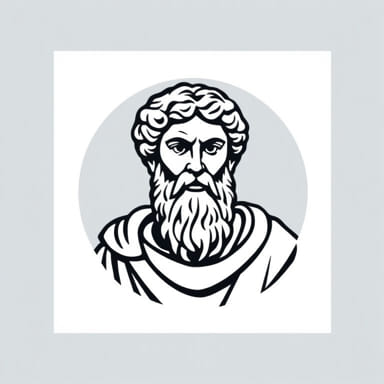
Among the many enduring legacies of ancient Rome, the image and iconography of Emperor Marcus Aurelius remain some of the most recognizable and philosophically significant. Known not only as a Roman emperor but also as a Stoic philosopher, Marcus Aurelius has been immortalized in countless visual representations through sculptures, reliefs, coins, and later paintings. These pictures of Marcus Aurelius not only serve an aesthetic purpose but also reflect the values, ideals, and political messages of the Roman Empire during the second century. From equestrian statues to marble busts, the visual legacy of Marcus Aurelius provides deep insight into Roman art, leadership, and philosophical thought.
Historical Context of Marcus Aurelius
Marcus Aurelius ruled as Roman Emperor from 161 to 180 AD. He is best remembered as the last of the ‘Five Good Emperors’ and the author of the Stoic workMeditations, which continues to influence modern philosophy. During his reign, he dealt with military conflict, plague, and political unrest, yet he maintained a calm, reflective approach rooted in Stoic principles. His portraiture played a crucial role in conveying imperial power and personal wisdom, both to the Roman population and to future generations.
The Purpose of Roman Imperial Portraiture
In ancient Rome, images of emperors were more than just likenesses they were tools of propaganda, reverence, and political communication. Pictures of Marcus Aurelius often emphasized wisdom, maturity, and philosophical depth. Sculptors and coin engravers highlighted attributes that aligned with his public persona as a just and wise ruler. These visual representations were displayed across the empire, ensuring a consistent imperial presence even in distant provinces.
Iconic Representations of Marcus Aurelius
The Equestrian Statue
One of the most famous surviving statues of Marcus Aurelius is the bronze equestrian statue that stands in Rome’s Capitoline Hill. Remarkably preserved, this statue dates back to around 175 AD. The emperor is shown mounted on a horse, with his right hand extended in a gesture of clemency or address. Unlike other military statues, Marcus Aurelius is not shown wearing armor, suggesting a peaceful and benevolent ruler rather than a conqueror. This image conveys control, calm authority, and philosophical detachment, all key aspects of his Stoic beliefs.
Marble Busts and Portraits
Numerous marble busts of Marcus Aurelius have been discovered in archaeological sites across the former Roman Empire. These busts typically depict him with a full beard, a symbol of Greek intellectualism adopted by Roman philosophers. His curly hair and thoughtful expression are recurring features. In contrast to earlier emperors who preferred clean-shaven appearances, Marcus Aurelius’s look set a trend for later Roman rulers. These busts often highlight his deep-set eyes and furrowed brow, suggesting introspection and seriousness.
Depictions on Roman Coins
Another common form of imagery comes from Roman currency. Coins bearing the likeness of Marcus Aurelius circulated widely during and after his reign. These coins served dual purposes: economic function and dissemination of imperial ideology. Many of these coins show him crowned with laurel, a symbol of victory and divine favor, or holding symbols of justice and power such as a globe or scepter. Inscriptions on these coins often emphasized his titles, virtues, and accomplishments.
Later Artistic Interpretations
Renaissance and Neoclassical Art
During the Renaissance and the Enlightenment, Marcus Aurelius became a subject of renewed interest among scholars, artists, and philosophers. His image was replicated in paintings, book illustrations, and statues. Artists portrayed him as a wise and noble ruler, drawing inspiration from ancient sources and combining it with contemporary styles. This was part of a broader trend in which classical figures were used to endorse humanist values and rational governance.
Modern Representations
In more recent centuries, Marcus Aurelius has continued to be depicted in academic art, popular culture, and public monuments. His equestrian statue has been widely copied or used as a model for civic sculpture around the world. His face has appeared in illustrations accompanying translations ofMeditations, always emphasizing calm, wisdom, and integrity. In popular culture, film and television portrayals often draw upon these historical images to represent him as the epitome of a philosopher-king.
Symbolism in the Visual Depictions
Beard and Hair
The beard of Marcus Aurelius is not a random stylistic choice. In Roman society, it signified a philosopher, especially when combined with Greek-style hair. His beard represents his rejection of superficial vanity and embrace of intellectual discipline. Through this choice, he aligned himself with the ideals of Stoic thinkers such as Epictetus and Zeno of Citium.
Posture and Clothing
In many of his statues, Marcus Aurelius is shown in a toga rather than military garb. This emphasizes his civic role rather than his martial one. When armor is present, it is often subtle, indicating that his rule was supported by power but not dominated by it. His gestures are typically composed and dignified, reflecting his Stoic composure and mastery over emotion.
Expression and Gaze
The facial expressions in pictures of Marcus Aurelius are particularly striking. Artists frequently portrayed him with a solemn and contemplative gaze, often directed slightly upward or downward, avoiding direct eye contact. This subtle technique gives the impression of inward thought and spiritual awareness, key aspects of Stoicism.
The Enduring Influence of Marcus Aurelius’s Image
More than two millennia after his death, the pictures of Marcus Aurelius continue to hold relevance. His image not only preserved the memory of a philosopher-emperor but also offered a model of ethical leadership. Historians and modern leaders alike often refer to his likeness as a symbol of calm rationality, justice, and philosophical insight. The continued popularity of his visual depictions demonstrates how art can preserve not just appearances, but values and ideals.
Reasons for Lasting Appeal
- Embodiment of Stoic philosophy
- Contrast with militaristic emperors
- Association with wisdom and virtue
- Timeless artistic style
Pictures of Marcus Aurelius are far more than historical artifacts they are enduring symbols of a ruler who combined wisdom, restraint, and power. Through equestrian statues, marble busts, and coin portraits, his image has been carefully curated to reflect his Stoic beliefs and imperial responsibility. These visual representations continue to inspire and educate, bridging the gap between ancient Rome and the modern world. For those seeking an image of true philosophical leadership, the face of Marcus Aurelius remains one of history’s most powerful icons.