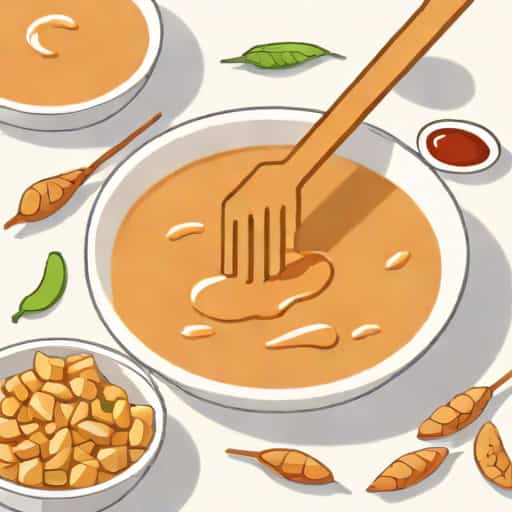
Peanut butter satay sauce is a rich and flavorful condiment that has become a staple in many kitchens around the world. Known for its creamy texture and perfect balance of sweet, salty, and slightly spicy notes, this sauce is versatile and pairs well with a wide variety of dishes. Originally inspired by Southeast Asian cuisine, peanut butter satay sauce is commonly used as a dip for skewered meats, vegetables, or tofu, but it can also enhance noodles, salads, and rice dishes. Its popularity stems from its ease of preparation, bold flavor, and ability to elevate simple ingredients into a satisfying and memorable meal. Understanding the ingredients, preparation methods, and uses of peanut butter satay sauce can help home cooks and food enthusiasts enjoy this delicious condiment in multiple ways.
Origins of Peanut Butter Satay Sauce
Satay sauce, also known as peanut sauce, originates from Southeast Asia, particularly Indonesia, Malaysia, and Thailand. Traditionally, satay refers to skewered and grilled meats served with a peanut-based sauce. The use of peanuts in sauces became widespread due to the abundance of peanut crops in the region, and over time, the sauce evolved to include a combination of sweet, salty, sour, and spicy flavors. The modern peanut butter satay sauce adapts this traditional recipe, often using smooth peanut butter as a convenient and creamy base, allowing cooks outside of Southeast Asia to recreate authentic flavors at home.
Cultural Significance
Peanut butter satay sauce is more than just a flavor enhancer; it represents the culinary traditions of Southeast Asia. The sauce is often served at street food stalls, family gatherings, and special occasions, highlighting its role in social dining and communal meals. Its rich flavor profile and versatility make it a popular choice for both casual meals and festive occasions, showcasing the balance and harmony typical of Southeast Asian cuisine.
Ingredients of Peanut Butter Satay Sauce
The core ingredients for peanut butter satay sauce are simple but create a complex and satisfying flavor. Peanut butter serves as the creamy base, while other components like soy sauce, garlic, ginger, lime juice, coconut milk, and brown sugar contribute layers of taste. Chili or sriracha can be added for heat, and fish sauce or tamarind paste may be used to introduce umami and tanginess. The combination of these ingredients results in a sauce that is rich, nutty, slightly sweet, and savory, with a hint of spice that enhances a variety of dishes.
Basic Ingredient List
- Peanut butter (smooth or chunky depending on preference)
- Soy sauce or tamari for saltiness
- Garlic and ginger for aromatic depth
- Coconut milk for creaminess
- Brown sugar or honey for sweetness
- Lime juice or rice vinegar for acidity
- Chili, sriracha, or cayenne for heat
- Optional fish sauce or tamarind for umami
How to Make Peanut Butter Satay Sauce
Making peanut butter satay sauce at home is simple and quick, allowing for customization to suit personal tastes. Begin by heating a small amount of oil in a saucepan, then sauté garlic and ginger until fragrant. Next, add peanut butter, soy sauce, and coconut milk, stirring to create a smooth mixture. Sweeteners and acidic ingredients are added gradually, followed by chili for desired heat. The sauce should be cooked on low to medium heat, stirring frequently to prevent burning, until it reaches a smooth, pourable consistency. Adjustments can be made by adding water or coconut milk for a thinner sauce, or more peanut butter for thickness.
Step-by-Step Preparation
- Heat oil in a pan and sauté minced garlic and grated ginger for 1-2 minutes.
- Add peanut butter and coconut milk, stirring to combine into a smooth mixture.
- Mix in soy sauce, brown sugar, and lime juice, adjusting sweetness and acidity to taste.
- Add chili or sriracha gradually, tasting to achieve preferred spice level.
- Simmer gently for 5-10 minutes, stirring frequently, until thick and creamy.
- Adjust consistency with additional coconut milk or water as needed.
- Remove from heat and serve warm or at room temperature.
Uses and Pairings
Peanut butter satay sauce is incredibly versatile and can be used in a variety of dishes. It is most commonly paired with grilled meats such as chicken, beef, or pork skewers, adding a rich and flavorful coating. It also works well as a dipping sauce for fresh vegetables, spring rolls, or tofu. Additionally, it can be incorporated into noodle dishes, rice bowls, or salads, providing a nutty and savory layer of flavor. The sauce’s balance of sweetness, saltiness, and spice allows it to complement many ingredients without overpowering them.
Popular Pairings
- Grilled chicken or beef skewers
- Vegetable spring rolls or satay sticks
- Tofu or tempeh for a vegetarian option
- Stir-fried noodles or rice bowls
- Fresh vegetables such as cucumber, carrots, and bell peppers
Storage and Shelf Life
Peanut butter satay sauce can be stored for convenience, allowing for quick use in meals throughout the week. Homemade sauce should be stored in an airtight container in the refrigerator, where it can last for up to one week. For longer storage, the sauce can be frozen in small portions and thawed as needed. It is important to stir the sauce before use if separation occurs, as natural oils in peanut butter may separate over time. Proper storage ensures that the sauce retains its flavor, creaminess, and quality for multiple servings.
Tips for Storage
- Store in a glass or airtight container in the refrigerator.
- Stir or whisk before serving if the sauce thickens or separates.
- Freeze in small portions for up to 2-3 months.
- Reheat gently over low heat to maintain texture and flavor.
Health Benefits and Considerations
While peanut butter satay sauce is rich and indulgent, it also contains nutrients from its key ingredients. Peanuts provide protein, healthy fats, and essential vitamins and minerals. Coconut milk adds medium-chain triglycerides and a creamy texture without excessive saturated fat. Garlic and ginger offer antioxidant and anti-inflammatory properties, contributing to overall health. However, the sauce can be high in calories and sodium, so portion control is recommended, especially for those monitoring calorie intake or following low-sodium diets.
Balancing Indulgence and Nutrition
- Use natural peanut butter without added sugar or hydrogenated oils.
- Adjust sweetness by controlling brown sugar or honey levels.
- Pair with vegetables or lean protein to create a balanced meal.
- Use moderate portions to enjoy flavor without excessive calories.
Peanut butter satay sauce is a versatile and flavorful condiment that brings the taste of Southeast Asian cuisine into everyday cooking. Its creamy texture, balanced sweetness, and hint of spice make it a perfect complement for meats, vegetables, tofu, and noodles. Easy to prepare and customizable, it allows home cooks to adjust flavors according to personal preference. With proper storage and portion control, it can be enjoyed regularly as part of a healthy and delicious diet. Whether served at a dinner party, casual family meal, or as a dipping sauce for snacks, peanut butter satay sauce is a timeless and satisfying addition to any kitchen, bringing bold flavors and culinary creativity to a wide range of dishes.